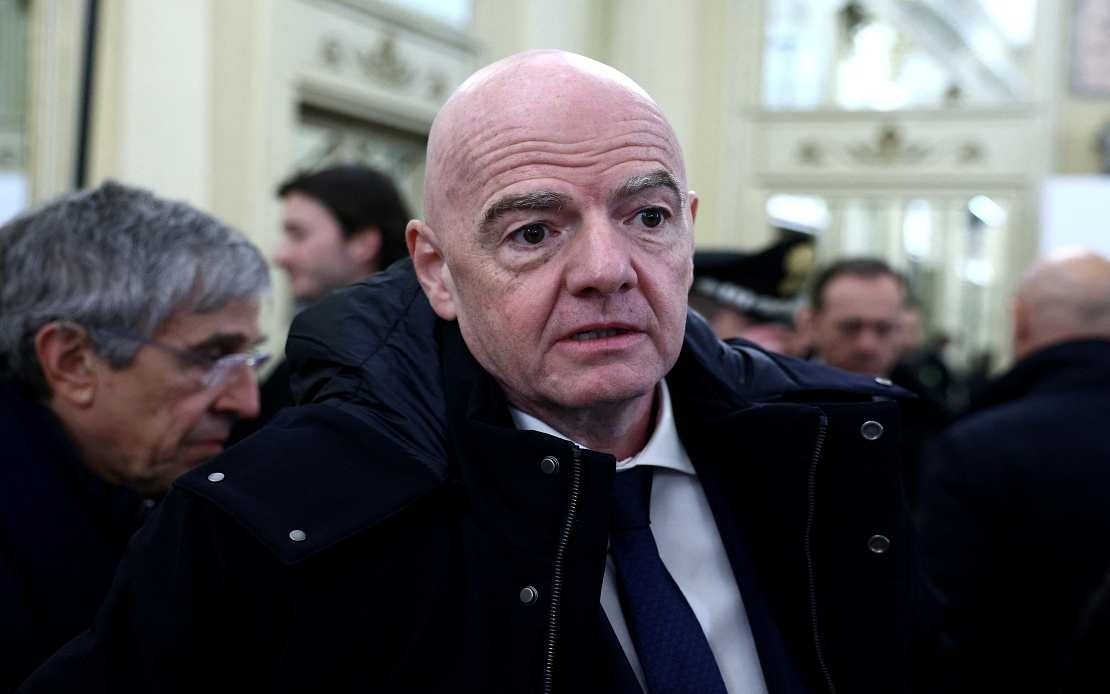
The International Olympic Committee has received a formal complaint against FIFA President Gianni Infantino, with human rights organization FairSquare alleging repeated violations of Olympic Charter rules governing political impartiality. The complaint centres on Infantino's handling of high-profile World Cup decisions, most notably his interactions with prominent political figures that FairSquare argues have compromised FIFA's stated independence and ethical standards.
FairSquare contends that Infantino, who joined the IOC membership in 2020, has breached the Olympic Charter on five distinct occasions and potentially committed two additional serious violations involving political interference in football matters. The organization has identified a pattern of conduct it believes demonstrates systematic disregard for the strict neutrality requirements that bind IOC members. These allegations carry significant weight given the IOC's traditionally rigorous enforcement of its ethical code among member organizations and officials.
The complaint specifically highlights FIFA's handling of a disciplinary matter involving a prominent athlete, where a one-match suspension was suspended by FIFA's disciplinary committee, enabling the player's participation in a subsequent World Cup knockout fixture against Belgium. This decision followed a documented telephone conversation between the athlete's national leader and Infantino himself. While FIFA has maintained that its disciplinary committees operate with complete independence and that all decisions follow established protocols, the timing and sequence of events have prompted questions about the decision-making process.
FairSquare's formal action with the IOC represents an escalation of concerns that the organization first raised in December when it submitted a comparable complaint to FIFA's own ethics committee. That initial submission detailed the same pattern of alleged breaches, requesting FIFA's internal ethics apparatus conduct a thorough investigation. However, the decision to escalate to the IOC suggests FairSquare has concluded that FIFA's internal mechanisms may be insufficient to address concerns about the organization's leadership.
The complaint has attracted attention from multiple quarters within Europe's political and sporting establishments. The Norwegian football federation formally wrote to FIFA's ethics committee requesting it consider FairSquare's detailed allegations, signaling that established football institutions share concerns about the matters raised. More significantly, fifty members of the European Parliament issued a joint letter to FIFA's ethics committee on June 29, urging comprehensive investigation into the complaints. This unprecedented level of political engagement underscores the seriousness with which European officials view the alleged breaches.
For Southeast Asian readers, particularly those in Malaysia where governance and ethical standards in sports administration remain important concerns, this case illustrates how international sports organizations handle allegations of leadership misconduct. The complaint mechanism itself demonstrates that even the highest-ranking sports officials face accountability structures, though the effectiveness of those structures remains contested. The involvement of multiple oversight bodies—FIFA's ethics committee, the IOC, and European political representatives—creates overlapping jurisdictions that could either strengthen accountability or dilute responsibility.
The underlying tension in this case reflects broader questions about FIFA's governance model during Infantino's presidency. Since assuming office, Infantino has significantly expanded FIFA's commercial activities and tournament expansion plans, often navigating complex relationships with national governments and world leaders. FairSquare's complaint suggests that these relationships have occasionally crossed into territory that compromises the stated political neutrality FIFA is supposed to maintain as an international sports governing body.
Infantino's position as an IOC member creates a specific accountability pathway that FairSquare has strategically utilized. The IOC maintains its own ethics code and conduct standards, separate from FIFA's internal mechanisms. This provides an independent forum to assess whether an IOC member has upheld the Olympic Charter's provisions on political neutrality. The complaint filing therefore opens a second investigatory avenue beyond FIFA's internal processes, potentially subjecting Infantino's conduct to external scrutiny by an organization with no institutional dependence on FIFA's cooperation.
The complaint's focus on World Cup disciplinary decisions highlights how international sporting governance intersects with broader geopolitical interests. National governments have vested interests in World Cup outcomes and player participation, creating inherent pressure on decision-makers like Infantino. FairSquare's allegations suggest these pressures have, in their assessment, crossed into direct political intervention in matters that should remain within football's independent governance structures.
For Malaysian football administration and Southeast Asian sports bodies observing these proceedings, the case underscores the importance of maintaining clear separation between political authority and sporting governance. Malaysia's own history with sports governance has highlighted the challenges of preventing political interference in athletic decisions. The Infantino complaint demonstrates that even FIFA, the world's largest sports confederation, faces ongoing scrutiny regarding such boundaries.
The investigation's outcome remains uncertain, but the complaint's submission to the IOC ensures that Infantino's conduct receives examination beyond FIFA's internal structures. Whether the IOC determines that Olympic Charter violations occurred will significantly impact FIFA's governance model and Infantino's ability to operate without continued scrutiny. For the global football community and Southeast Asian nations invested in FIFA's credibility, these proceedings will establish important precedents about accountability for sports leadership during high-stakes political moments.

