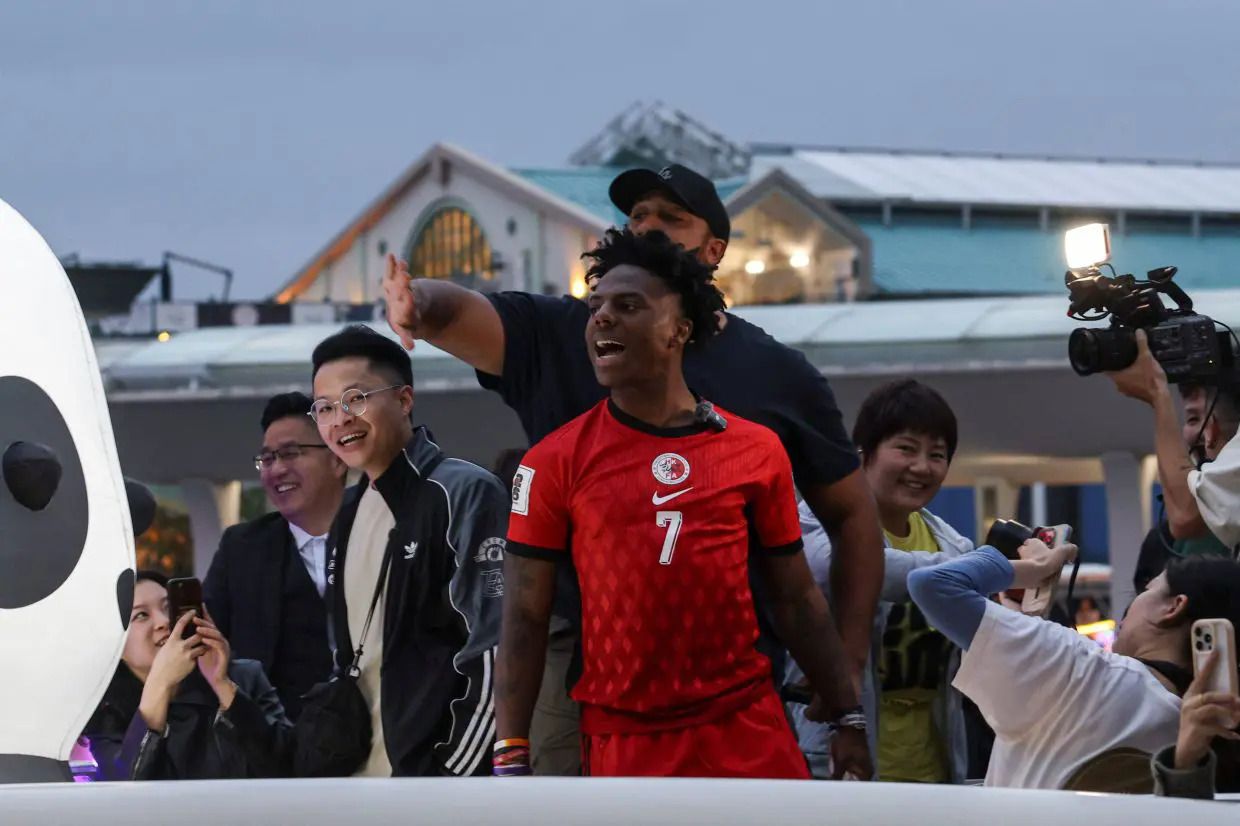
Football's governing body FIFA has initiated a formal inquiry into what it describes as racist insults allegedly hurled at the prominent digital content creator IShowSpeed during last week's World Cup encounter between Argentina and Cape Verde at Miami Stadium. The announcement, made through an official statement posted on social media platform X on Tuesday, July 7, underscores the organisation's commitment to addressing discriminatory conduct at international football events, even as the sport grapples with persistent issues of fan misconduct across multiple continents.
IShowSpeed, the stage name of 21-year-old Darren Watkins Jr from the United States, commands an enormous digital following that extends well beyond traditional football viewership. The African-American streamer boasts more than 57 million YouTube subscribers alongside significant audiences across multiple streaming and social media platforms, making him one of the most influential digital personalities covering the tournament. His presence at World Cup venues reflects the evolving nature of sports broadcasting and fan engagement in an era where independent content creators wield considerable influence over how sporting events are consumed globally.
Watkins' attendance and live streaming coverage at World Cup matches operates under a formal arrangement negotiated between FIFA, YouTube, and American broadcaster Fox Sports. This partnership represents a strategic effort by football's governing body to reach younger, digitally-native audiences who increasingly consume sporting content through non-traditional channels rather than conventional television broadcasts. The streamer's access to matches and stadiums signals FIFA's recognition that engaging independent creators has become integral to maximising the commercial and cultural reach of major tournaments in competitive media landscapes.
The investigation announced Tuesday addressed the specific incident occurring during the Argentina versus Cape Verde fixture, but FIFA's statement suggests awareness of a broader pattern of misconduct. The organisation declared in its official communication that it "strongly condemns racism, hate and discrimination in all forms," employing language that emphasises the organisation's zero-tolerance positioning on discriminatory behaviour. However, such statements from sporting bodies have periodically faced criticism for failing to translate into substantive disciplinary consequences when such incidents occur.
The timing and severity of the incident reflect longstanding concerns about racist abuse within international football. Despite decades of anti-racism campaigns and numerous high-profile cases, players, officials, and now content creators continue experiencing discriminatory treatment at stadiums worldwide. The targeting of IShowSpeed carries particular significance given his role as a visible minority figure operating within spaces traditionally dominated by certain demographics, highlighting how racist attitudes extend beyond players to encompass anyone positioned prominently within the football ecosystem.
Accounts indicate that IShowSpeed subsequently encountered additional racist abuse during Argentina's match against Egypt on Tuesday, when an Argentine supporter reportedly engaged in monkey imitation—a historically loaded racist gesture—during an interaction with the streamer. The recurrence of such incidents within a short timeframe suggests either systematic failures in stadium security protocols or inadequate deterrent measures against such behaviour. For Malaysia and Southeast Asian nations with growing football supporter bases, the incidents raise questions about how regional football bodies are preparing to address similar conduct at stadiums and sporting venues across the region.
The investigation's conduct will likely set precedent for how FIFA handles future complaints involving digital content creators and non-traditional football personalities. Unlike player incidents, which have established investigative and disciplinary frameworks, the treatment of streamers and influencers represents relatively new terrain for international sports governance. The resolution and any sanctions imposed could establish standards affecting how tournaments manage discrimination targeting individuals beyond traditional player and official categories.
The circumstances also prompt reflection on stadium security arrangements and supporter accountability mechanisms. Identifying individual perpetrators from among thousands of spectators presents considerable logistical and investigative challenges, particularly when incidents occur spontaneously during matches. FIFA's investigation will need to determine whether stadium operators adequately responded to reports of misconduct and whether sufficient video evidence exists to identify and pursue disciplinary action against responsible parties.
For Malaysia's football community and Southeast Asian supporters more broadly, these developments carry implications regarding how incidents of racism are documented, reported, and addressed at regional football fixtures. As football continues globalising and streaming platforms become primary consumption channels, ensuring that all participants—traditional and non-traditional—can engage safely and free from discriminatory treatment becomes increasingly essential. The outcome of FIFA's investigation into IShowSpeed's case will likely influence how sporting organisations across the region approach similar situations moving forward.

