The largest World Cup in history, which expanded to 48 teams for the first time and was jointly hosted by the United States, Canada, and Mexico, has drawn criticism for failing to live up to FIFA's stated commitment to inclusivity. International rights coalitions argue that despite the tournament's increased scale—welcoming more nations than ever before—rigid American immigration policies created significant barriers that prevented thousands of fans and workers from participating in the event.
The Sport & Rights Alliance, a coalition of human rights and sports advocacy groups, challenged FIFA's narrative of a welcoming tournament, pointing to systematic visa rejections affecting supporters from multiple nations. The organisation documented cases where fans from countries such as Morocco, Egypt, Jordan, Iraq, and Uzbekistan struggled to obtain visas despite holding valid World Cup tickets. Ronan Evain, executive director of Football Supporters Europe, highlighted the contradiction between FIFA's public messaging and the practical obstacles encountered on the ground, noting that the governing body's promise to "welcome the world" had largely failed to materialise.
The visa issue extended beyond ordinary supporters to include athletes and officials. Omar Abdulkadir Artan, a Somali referee with a valid visa, was prevented from entering the United States despite his credentials for officiating matches. The Trump administration cited suspected connections to terror organisations as justification for the denial, a decision that underscored the security-first approach that overshadowed the tournament's inclusive aspirations. This incident encapsulated broader concerns about how immigration enforcement priorities conflicted with sporting objectives.
For Southeast Asian readers, the World Cup's accessibility challenges carry particular relevance. Regional nations with significant football followings would inevitably face similar visa complications should major tournaments be hosted by countries with restrictive immigration policies. The precedent set by this World Cup suggests that aspiring host nations in Asia must carefully balance security considerations with genuine efforts to accommodate international visitors, lest they face comparable criticism for failing to deliver on inclusivity promises.
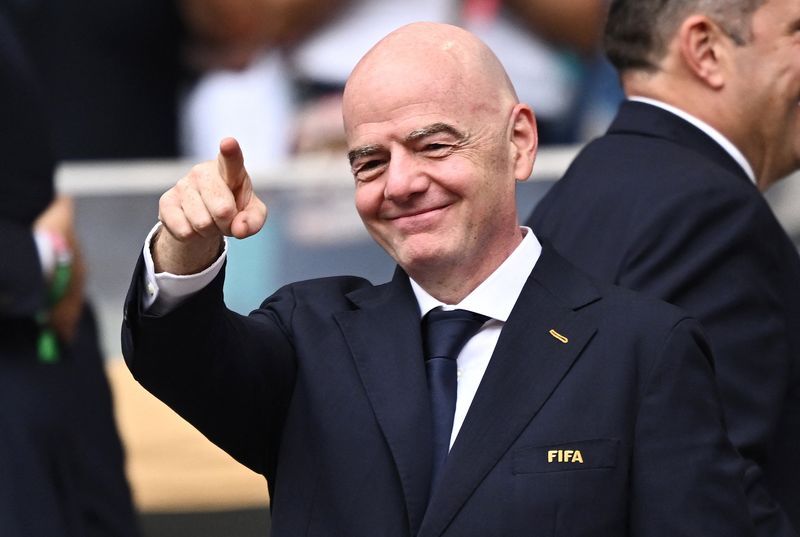
The U.S. government's stance reflected a hardline immigration approach that superseded FIFA's organisational preferences. Homeland Security Secretary Markwayne Mullin defended the visa denials, stating that his department had consulted with FIFA officials before implementing restrictions. However, FIFA President Gianni Infantino deflected responsibility, asserting that immigration decisions ultimately rested with national authorities rather than the international football body. This division of accountability left fans in a precarious position, caught between two institutions that each claimed limited power over the situation.
Certain nations experienced disproportionate effects from visa restrictions. Senegal, for instance, had a substantially reduced fan presence in stadiums following widespread visa suspensions affecting its citizens. This created an unequal tournament environment where some countries' supporters could freely attend matches while others faced systemic exclusion, undermining the fundamental principle of equal participation that should characterise a truly global sporting event.
The Sport & Rights Alliance raised additional concerns about the broader atmosphere surrounding the tournament. The coalition documented what it termed a "distinctly dangerous climate of fear" affecting journalists and fans, precipitated by the prevailing immigration enforcement environment. Rather than creating spaces where international visitors felt welcomed, the tournament's security apparatus reportedly generated anxiety among those attempting to participate, contradicting the celebratory spirit FIFA sought to cultivate.
Despite these systemic challenges, the tournament did produce genuinely inspiring moments that represented the inclusive vision FIFA had articulated. Haiti's first World Cup appearance in 52 years delivered emotional significance to a nation with deep football passion. Cape Verde's unexpected advancement captured imaginations across Africa and the diaspora. Pride Match Day events in Seattle symbolised the sports world's evolving commitment to LGBTQ+ inclusion, demonstrating that progress on some fronts could coexist with failures on others.
Human Rights Watch's director of global initiatives, Minky Worden, acknowledged both dimensions of the tournament's legacy. While celebrating the historic participation of smaller nations and the visibility given to marginalised communities, she simultaneously criticised the "dark side" of hosting policies implemented by the tournament's principal nations. This assessment suggests that the World Cup's impact cannot be reduced to a simple inclusive-or-exclusive binary, but rather reflects competing priorities and the complex realities of hosting major international events within restrictive political environments.
The Sport & Rights Alliance indicated plans to release a comprehensive report in September detailing human rights concerns throughout the tournament. This documentation effort carries significance beyond the immediate event, potentially influencing how future hosts approach their commitments to accessibility and inclusion. For Malaysia and other Southeast Asian nations potentially interested in hosting major football tournaments, the findings will likely provide cautionary lessons about aligning rhetoric with practice and ensuring that security measures do not entirely preclude the genuine international participation that makes global sporting events meaningful.
Neither FIFA nor the White House provided formal responses to the rights groups' criticisms, a silence that itself communicated something about institutional accountability. As the tournament concluded and attention shifted to other sporting competitions, the questions raised about the relationship between exclusionary policies and the stated values of international sports governance remained unresolved. The World Cup's mixed legacy on inclusivity—celebrating expanded participation in team selection while constraining actual spectator access—sets a complicated precedent for future tournaments and raises enduring questions about whether major sporting events can genuinely welcome the world when geopolitical tensions and security concerns drive host nation policies.

