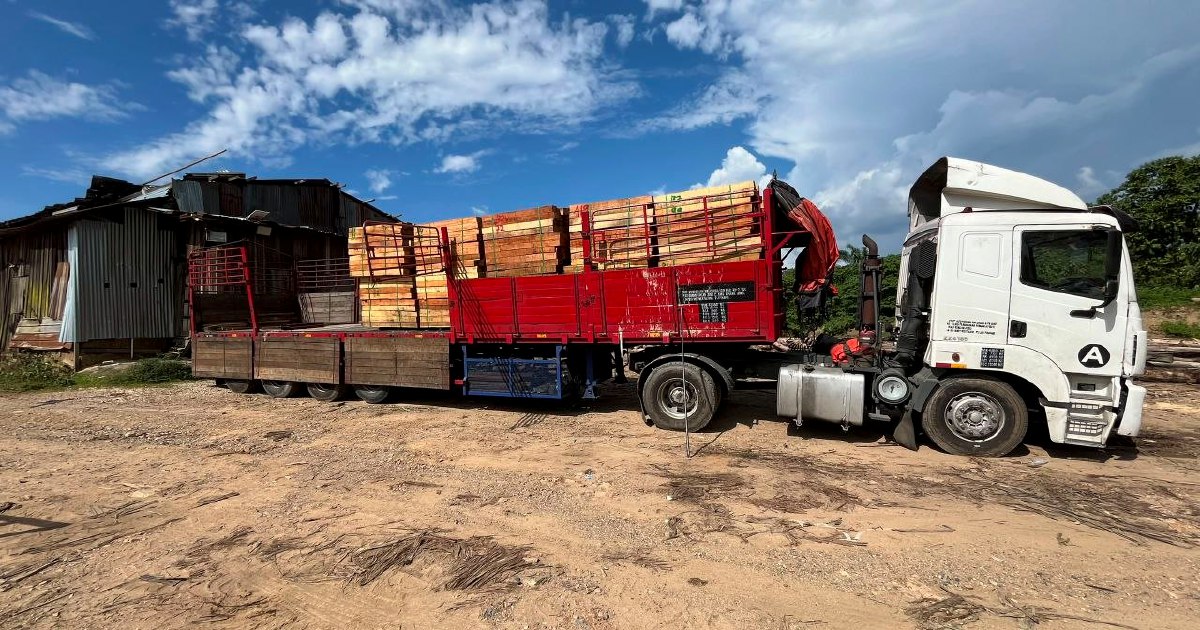
Authorities have dismantled a significant illegal timber processing operation in Kuala Krai, Kelantan, resulting in the arrest of five men and the seizure of RM2.32 million in materials and equipment. The clandestine factory discovered at Sungai Embak was operating without proper authorization, representing a fresh blow to organized forestry crime in one of Malaysia's major timber-producing states.
The raid, conducted by enforcement personnel, uncovered sophisticated timber milling and processing infrastructure hidden within the sprawling facility. Officers documented extensive stocks of processed and semi-processed timber products alongside heavy-duty industrial machinery used in the unauthorized milling operation. The sheer scale of confiscated assets suggests this was not a small-scale or opportunistic venture but rather an organized enterprise with substantial capital investment and operational capacity.
Kelantan remains a critical frontier in Malaysia's battle against illegal logging and timber trafficking. The state's rich forest resources and strategic location along trafficking corridors have made it an attractive target for criminal syndicates seeking to exploit natural resources outside regulatory frameworks. This latest operation highlights how illegal timber operations continue to operate with considerable sophistication, often concealing their activities behind legitimate-appearing industrial facilities that might initially evade detection.
The enforcement action targets a critical link in the illegal timber supply chain. Processing operations like this one add value to illicitly harvested logs by converting raw material into finished or semi-finished products, making the timber more difficult to trace and more attractive to downstream buyers. By removing processing capacity, authorities disrupt the economic viability of the broader illegal logging network, as raw timber becomes harder to monetize without such facilities.
The five detainees now face investigation under relevant forestry and environmental protection statutes. Depending on the severity of findings and the chain of evidence, charges could encompass possession of illegally obtained timber, operating unlicensed processing facilities, and potentially conspiracy offenses if connections to timber smuggling networks are established. The investigation phase will be crucial in determining whether these individuals operated independently or formed part of a larger criminal organization.
This seizure reinforces enforcement agencies' increasing capacity to identify and dismantle sophisticated illegal operations. The detection of this Sungai Embak facility demonstrates that authorities are moving beyond simple roadside checks to identify complex, capital-intensive enterprises disguised within industrial areas. Such targeted intelligence work, often supported by community tip-offs and inter-agency coordination, has proven more effective than passive enforcement strategies.
The RM2.32 million asset seizure carries substantial economic implications for the criminal networks involved. Such losses discourage investment in illegal activities and represent a meaningful disruption to profit flows. When enforcement costs to criminals become consistently high through asset seizures, the long-term economics of illegal logging operations deteriorate, though determined syndicates often attempt to replace lost infrastructure.
For Malaysian readers and businesses, this operation underscores the ongoing enforcement commitment to protect forest resources and combat environmental crime. The destruction of illegal processing facilities reduces market pressure on legitimate timber operators and helps maintain the integrity of Malaysia's sustainable forestry credentials, increasingly important as international buyers become more conscious of supply chain compliance and environmental responsibility.
The effectiveness of this raid also signals potential vulnerabilities in how illegal timber networks attempt to disguise their operations. Criminals may respond by further dispersing processing activities into smaller, mobile units or relocating to more remote locations. This enforcement action could therefore trigger tactical shifts by organized timber trafficking groups, as they seek to adapt to more aggressive detection and interdiction.
Regional implications deserve consideration as well. Illegal timber trafficking frequently crosses Southeast Asian borders, with timber moving between countries to obscure origins. Operations like this one, when dismantled, disrupt cross-border smuggling networks and reduce the flow of questionable timber into regional supply chains. Stronger enforcement in Malaysia has deterrent effects that ripple through the broader ASEAN timber market.
The investigation into the five detainees will likely reveal the operational and financial connections linking the Sungai Embak facility to broader networks. Authorities will pursue evidence identifying timber sources, downstream buyers, financial arrangements, and any transnational links. Such intelligence gathering benefits the wider enforcement community and helps map out organizational structures of the illegal timber trade.
Sustained enforcement efforts remain essential as Malaysia works toward zero-tolerance policies on forest crimes. While this single operation cannot eliminate illegal logging, systematic dismantling of processing infrastructure, combined with upstream prevention and downstream market interventions, gradually raises the operational risks and costs facing criminal enterprises. The RM2.32 million seized represents both a significant disruption and a baseline marker for measuring enforcement effectiveness in coming months.

