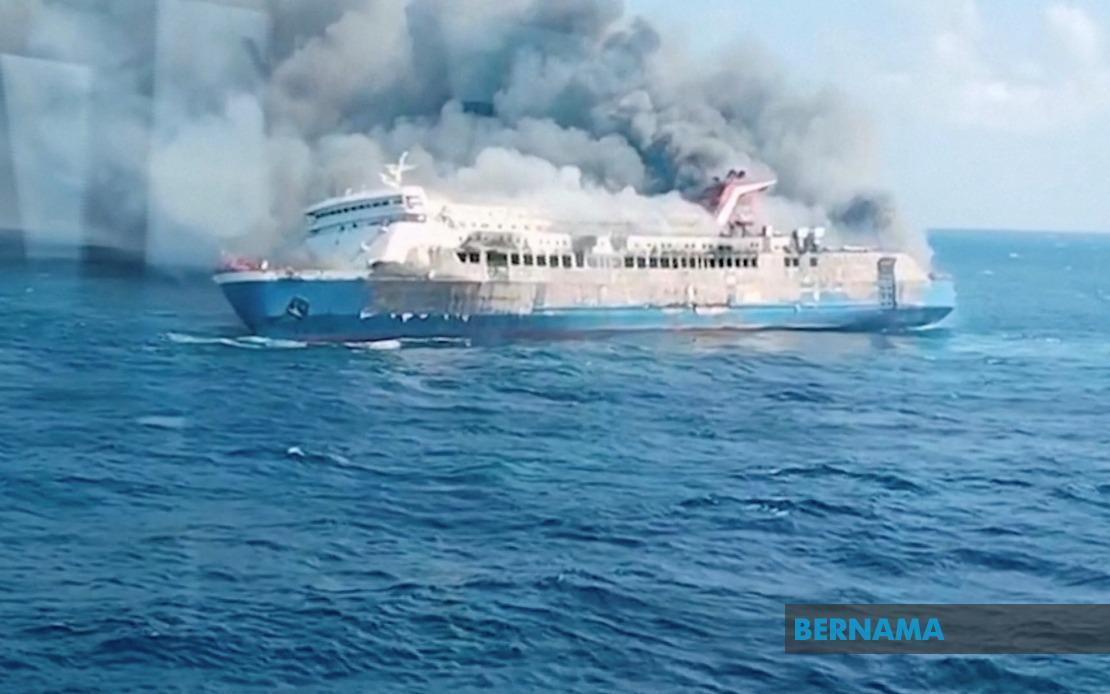
A devastating maritime tragedy struck Indonesian waters on August 2 when the passenger ferry KMP Mutiara Santosa 2 erupted in flames while traversing the route between Surabaya and Makassar. The incident has claimed at least five lives, with 41 people still unaccounted for as rescue operations continue in the waters off northern Sumenep, Madura. The vessel, which had 232 passengers and 39 crew members aboard, represents one of the region's recurring maritime safety challenges that demands renewed scrutiny and preventive measures across Southeast Asia's shipping industry.
The Surabaya Search and Rescue Office received the distress call at 8:24 am local time, prompting immediate activation of rescue protocols across multiple agencies. Chief Nanang Sigit coordinated the response, deploying numerous assets and personnel to the disaster site. By late afternoon, at 4 pm local time, authorities had successfully evacuated 225 passengers to safety, though the missing persons tally underscores the chaos and confusion that often accompanies large-scale maritime emergencies. The rapid mobilization demonstrates Indonesia's search and rescue capabilities, yet the significant loss of life raises troubling questions about vessel safety standards and emergency preparedness protocols.
Accounts from survivors paint a harrowing picture of the unfolding crisis. As flames consumed much of the ferry's structure, panicked passengers congregated on the bridge and forward sections, creating bottlenecks that complicated evacuation efforts. The ferocity of the fire meant that traditional evacuation procedures quickly became inadequate, forcing some desperate individuals to leap overboard. Several of those who jumped into the sea were fortunately retrieved by nearby vessels that responded to the emergency, a fortunate circumstance that likely prevented an even higher death toll. The concentration of survivors in specific areas reflects how vessel architecture and fire containment failures can directly impact casualty rates.
The scale of this incident carries particular significance for regional maritime transport networks. Indonesia's archipelago geography necessitates extensive inter-island ferry services, with thousands of passengers daily relying on these vessels for transport. KMP Mutiara Santosa 2 represents the typical medium-capacity ferries that connect major population centres across the nation. For Malaysian readers, the relevance extends beyond mere geographic proximity; Malaysian shipping routes and regulatory frameworks share similar challenges with Indonesian counterparts, and maritime safety incidents in neighbouring waters often prompt regulatory reviews across the region. The disaster serves as an urgent reminder that maritime standards require constant vigilance and enforcement.
Investigators have initiated inquiries into the fire's origin, though preliminary assessments remain incomplete. The cause determination will prove critical for establishing accountability and identifying systemic vulnerabilities. Potential factors could range from electrical system failures to maintenance oversights, refuelling procedures, or insufficient safety equipment. Given that the vessel was completely or nearly destroyed by flames, forensic analysis will present substantial challenges. The speed with which the fire spread and consumed the structure suggests possible deficiencies in fire suppression systems or compartmentalization standards that might have contained the blaze more effectively.
The human toll of this disaster extends beyond the confirmed fatalities and missing persons. Survivors will carry psychological trauma from their experience, while families of the missing face agonizing uncertainty. Indonesian authorities must now contend with identification of remains, compensation negotiations, and inevitable legal proceedings. For the broader maritime community, this incident reinforces uncomfortable truths about operational safety across the region's shipping sector. Many ferries operating throughout Indonesia, the Philippines, and neighbouring nations operate under regulatory frameworks that, while formally established, sometimes lack rigorous enforcement mechanisms.
This tragedy intersects with broader Southeast Asian maritime safety concerns that have periodically captured regional attention. The Philippines, Indonesia, and other nations have experienced similar catastrophic ferry incidents over the past two decades, yet each disaster seems to generate temporary regulatory attention before momentum subsides. The International Maritime Organization's standards theoretically apply across member states, yet implementation varies considerably. Vessel age, maintenance schedules, crew training protocols, and passenger density regulations frequently remain advisory rather than strictly enforced. KMP Mutiara Santosa 2's capacity to carry 271 total persons, combined with apparent fire management failures, exemplifies how theoretical regulations diverge from practical application.
For Malaysian stakeholders monitoring this situation, the incident warrants consideration of regional maritime governance improvements. Malaysia maintains relatively stringent maritime safety standards through the Malaysian Maritime Enforcement Agency and other regulatory bodies, yet cooperation and standardization across borders remains incomplete. Crew training reciprocity, vessel inspection protocols, and emergency response coordination could benefit from enhanced multilateral frameworks. The tragedy underscores how catastrophes transcend national boundaries; a ferry operating under Indonesian registry carries passengers of multiple nationalities and intersects with regional security and safety interests.
The environmental dimensions of major ferry fires also merit consideration, though initial reporting has focused understandably on rescue operations. Fuel leakage from damaged vessels, ballast water contamination, and debris distribution can create ecological consequences that extend beyond immediate accident sites. The Surabaya Strait and surrounding waters support important fisheries and marine ecosystems that warrant protection during and after maritime disasters. Clean-up operations and environmental monitoring will likely require coordination across provincial authorities and potentially international maritime agencies.
Looking forward, this incident should catalyze substantive improvements in maritime safety across the region. Enhanced vessel maintenance standards, mandatory safety equipment upgrades, expanded crew training requirements, and more rigorous passenger capacity enforcement could prevent similar tragedies. Regional intelligence sharing regarding vessel condition assessments and incident data would enable authorities to identify problematic operators before disasters occur. Insurance requirements and liability frameworks should incentivize rather than merely permit safety improvements. The 41 missing passengers and five confirmed fatalities represent preventable losses that underscore the urgency of implementing comprehensive maritime safety reforms across Southeast Asia's shipping sector.

