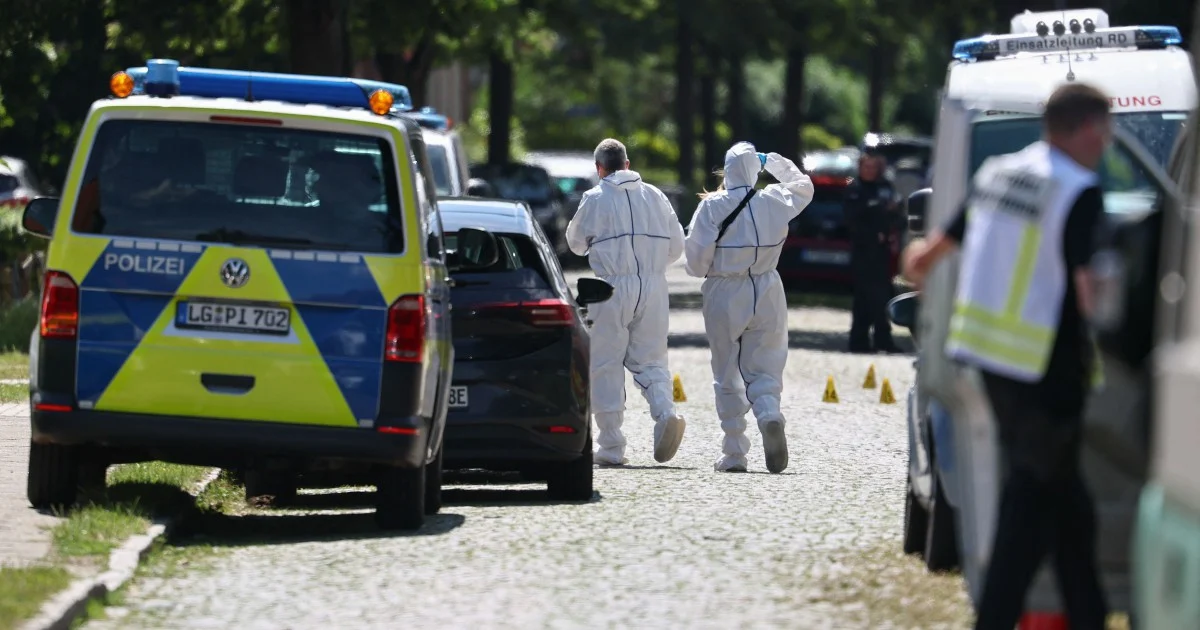
A shooting rampage at a youth welfare facility in Stade, Germany on Monday claimed five lives and reignited concerns about gun violence in a nation that generally maintains strict firearms regulations. The incident represents one of the most significant mass shooting events Germany has experienced in the past several years, shocking a country where such incidents remain comparatively rare due to stringent legislation governing weapon ownership and use.
Police moved swiftly to apprehend the suspected gunman following the attack at the youth welfare centre. The arrest marked a critical development that authorities hope will provide answers about the motivation behind the violence and prevent further harm. Details surrounding the circumstances of the shooting and the identity of the victims remained under investigation as authorities worked to piece together the sequence of events that unfolded at the facility.
The location of the attack—a youth welfare centre—adds a particularly tragic dimension to the incident, as such institutions typically serve vulnerable populations including at-risk adolescents and young people requiring social support. The targeting of such a facility raises questions about both the motivation of the alleged perpetrator and the safety protocols in place at institutions serving Germany's youth. Youth welfare centres across the country may now reassess their security measures in response to this tragedy.
Germany's overall approach to firearm regulation stands among the strictest in Europe, with comprehensive licensing requirements, background checks, and restrictions on weapon types. This mass shooting therefore stands in stark contrast to Germany's typical profile as a country with relatively low rates of gun homicides. The incident will likely reignite debate about existing gun laws and whether additional measures are necessary to prevent such tragedies, even within a heavily regulated system.
The news carries implications for neighbouring countries and the broader European context. While Europe as a whole experiences far fewer mass shootings than other regions globally, incidents in one country inevitably prompt reflection across borders about public safety, mental health resources, and the effectiveness of existing preventative frameworks. Security at public institutions serving vulnerable groups may face enhanced scrutiny throughout the region.
For Southeast Asian observers, the German case offers comparative perspective on how developed economies with comprehensive gun control frameworks nonetheless experience occasional mass violence. Malaysia and other ASEAN nations maintain their own strict firearms regulations, but the German incident demonstrates that access to weapons constitutes only one variable in preventing such tragedies. Comprehensive approaches addressing mental health support, early warning systems, and institutional security protocols remain essential components of any violence prevention strategy.
The arrest of the suspected gunman represents an important first step in the investigation and justice process. Authorities will now work to establish whether the alleged perpetrator acted alone, whether any ideological motivation drove the violence, and what warning signs may have existed prior to the attack. These investigative findings will be crucial for understanding how similar incidents might be prevented in the future.
The psychological impact on the local Stade community and on German society more broadly cannot be understated. Mass shooting events traumatize entire communities and national populations, triggering waves of grief, fear, and difficult societal reflection. Mental health resources and community support services will be mobilized to assist those affected by direct exposure to the violence and those struggling with the broader implications of the tragedy.
International media attention on the incident will likely intensify scrutiny of Germany's security apparatus and social safety net systems. While Germany maintains comprehensive welfare and mental health services relative to many nations, the tragic reminder that even well-resourced systems cannot prevent all violence will prompt difficult conversations about resource allocation and preventative intervention strategies. Policymakers across multiple sectors will examine whether additional investments in early identification and support for individuals at risk of violence could reduce future incidents.
The incident occurs against a backdrop of ongoing international discussions about mass violence prevention. Academic institutions, law enforcement agencies, and policymakers worldwide have invested significant effort into understanding risk factors and developing interventions, yet tragic events continue to occur. The German shooting underscores the complexity of violence prevention and the reality that comprehensive regulatory frameworks, while significantly reducing overall gun violence rates, cannot eliminate all such incidents.
As investigation proceeds and details emerge about the perpetrator's background and motivation, authorities and the public will seek to understand how such an attack could occur in a society with robust social services and strict weapons regulations. This tragic event will likely shape policy discussions throughout Germany and Europe regarding institutional security, mental health intervention capabilities, and the ongoing balance between civil liberties and public safety measures.

