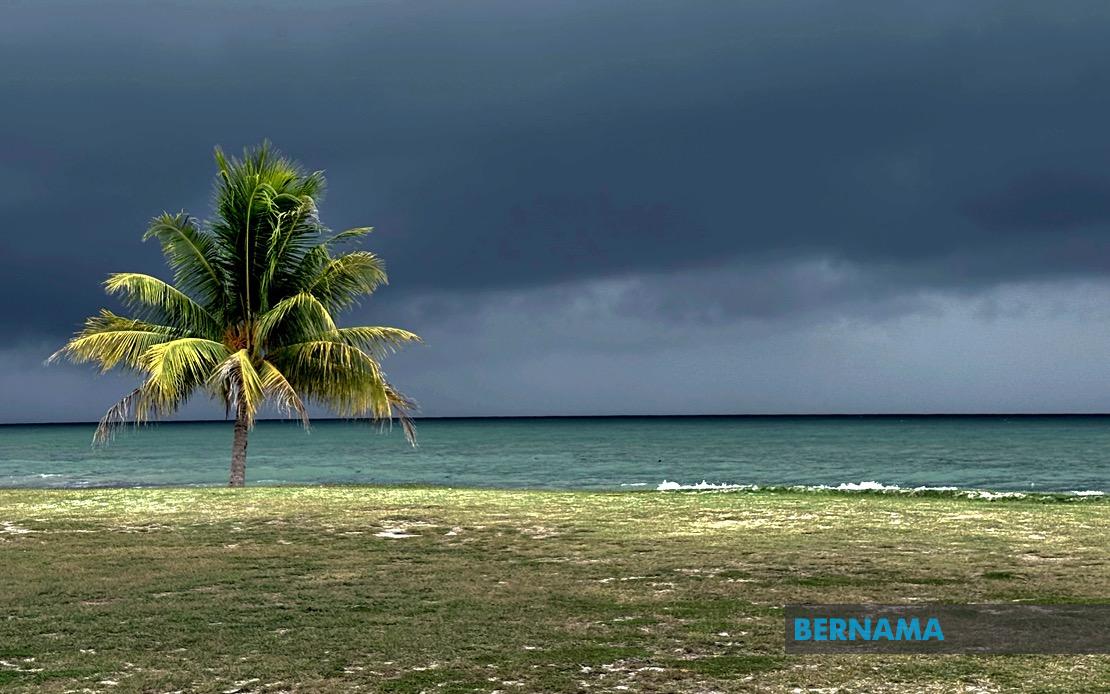
The Malaysian Meteorological Department issued a weather alert on June 25 covering five states across both Peninsular Malaysia and East Malaysia, warning of dangerous atmospheric conditions expected to persist until 11 pm that day. The alert encompasses a significant portion of the country's eastern seaboard and interior regions, reflecting the seasonal nature of afternoon and evening thunderstorm development across these areas.
On the peninsula, residents in Kelantan face the most extensive warnings, with four districts falling under the alert: Kota Bharu, Bachok, Machang and Pasir Puteh. The entire state has been flagged for vulnerability to sudden downpours and electrical storms. Neighbouring Terengganu, though mentioned singularly through Kemaman district, shares similar exposure to the monsoon patterns that regularly trigger such weather systems in the northeast corridor.
Pahang, Malaysia's largest peninsula state, has also been included in the advisory, with particular focus on the districts of Jerantut, Temerloh, Maran and Kuantan. These communities lie in regions prone to rapid weather deterioration, especially during the southwest monsoon period. The inclusion of the state capital Kuantan alongside inland areas suggests the instability affects both coastal and interior zones.
Beyond the peninsula, Sarawak's Limbang division, specifically Lawas, came under the meteorological department's scrutiny. This area's exposure to convective weather systems makes it regularly susceptible to sudden thunderstorm development, particularly during transitional monsoon seasons when atmospheric instability increases significantly.
Sabah experienced the broadest geographic coverage in the warning, with alerts spanning three distinct regions. The state's Interior division, encompassing Nabawan and Keningau, faces particular risk due to elevated terrain that can trigger orographic lifting and storm intensification. The West Coast area, represented by Ranau, typically experiences afternoon thunderstorm activity, while the Sandakan division on the east coast—including Tongod, Telupid, Beluran and Sandakan town itself—remains vulnerable to maritime moisture influx feeding storm development.
Thunderstorms of this nature, while commonplace during Malaysia's monsoon transitions, demand public vigilance. Heavy rainfall can rapidly overwhelm local drainage systems, leading to flash flooding in low-lying areas and poor visibility for motorists. Strong wind gusts accompanying such systems pose risks to outdoor structures, vegetation and power infrastructure, occasionally disrupting utilities across affected regions.
The specificity of the affected districts suggests MetMalaysia's warnings derive from detailed atmospheric modelling and radar observations. Such targeted alerts help residents and emergency services prepare appropriately rather than issue blanket cautions. Authorities in these areas typically activate flood monitoring systems, position rescue teams on standby and advise the public to avoid unnecessary travel during peak storm hours.
For Malaysian businesses and daily activities, these evening weather warnings carry practical implications. Outdoor events and construction work typically halt as conditions deteriorate, while transportation networks experience congestion as commuters attempt to reach safety before storm arrival. Schools and government offices in affected areas may also adjust operating hours or activities in response to official meteorological guidance.
The timing until 11 pm indicates MetMalaysia's assessment that the unstable atmospheric layer driving these storms would persist through the evening but likely dissipate as night-time cooling stabilises the air mass. Such specific time-limited forecasts offer greater utility than open-ended warnings, allowing residents to plan evening activities with more confidence once the alert period expires.
These weather patterns reflect Malaysia's geographic position within the tropical storm belt, where atmospheric dynamics regularly generate severe convective systems, particularly during monsoon transition periods. Understanding the risk distribution across peninsula and East Malaysia helps residents in different regions contextualise their local exposure and prepare appropriate contingency plans. Communities in repeatedly affected areas maintain better preparedness infrastructure and public awareness protocols based on accumulated experience with such phenomena.

