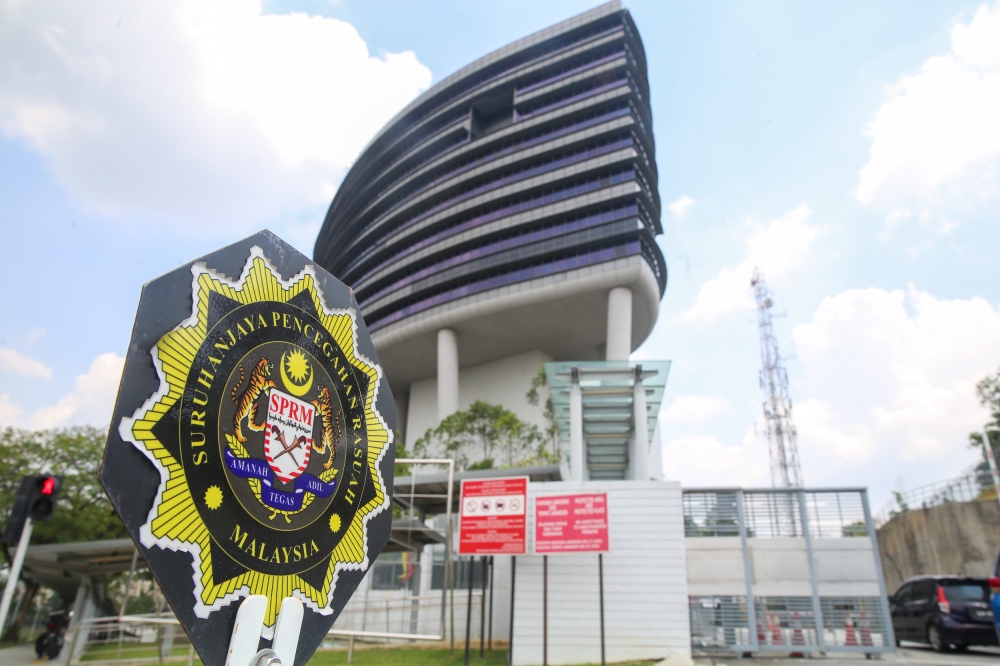
The Malaysian Anti-Corruption Commission (MACC) has widened its crackdown on alleged security breaches within the immigration system, arresting five more officers in connection with unauthorized access to the MyIMMs portal. The arrests, announced in Putrajaya, represent a significant escalation in an investigation that has already ensnared multiple officials and raised serious questions about data protection and institutional integrity within Malaysia's immigration bureaucracy.
The MyIMMs system serves as the cornerstone of Malaysia's digital immigration infrastructure, handling applications, status updates, and sensitive personal information for millions of citizens and foreign nationals. The alleged hacking incidents suggest that the system's security protocols may have been compromised from within, with insiders potentially exploiting their access credentials to bypass safeguards. Such vulnerabilities in a critical government platform pose risks not only to individual privacy but also to national security and the credibility of immigration procedures.
These arrests follow an earlier phase of the investigation that had already resulted in the detention of other immigration department employees. The expanding circle of suspects indicates that the unauthorized access may have been more widespread and systematic than initially suspected, potentially involving a coordinated network rather than isolated instances of misconduct. The cumulative evidence suggests a troubling pattern of negligence or deliberate circumvention of security measures within the department.
The MACC's involvement underscores that authorities are treating this matter as a corruption issue rather than a mere technical security failure. This framing suggests that officials may have exploited their access for personal gain, perhaps selling information to third parties or facilitating fraudulent immigration applications in exchange for money. The financial incentives driving such schemes highlight how corruption can penetrate even digitalized government systems.
MyIMMs has become integral to Malaysia's post-pandemic immigration management, allowing applicants to submit documents and track their applications online without visiting physical counters. The system was promoted as a modernization initiative that would enhance efficiency and transparency. If its security has been compromised by internal actors, it represents a significant setback to public confidence in digital government services. Citizens and businesses relying on the platform must now contend with uncertainty about whether their personal data and transaction histories remain confidential.
For Malaysian travelers and expatriates, this development carries immediate practical implications. Concerns about unauthorized access to visa applications, passport information, and travel records could prompt individuals to scrutinize their immigration accounts for unusual activity. Those who have used MyIMMs in recent months may wish to monitor their credit reports and personal information for signs of misuse. The breach also complicates trust in future online immigration services, potentially driving some users back to traditional in-person application methods despite the inconvenience.
Regionally, the incident reflects broader challenges facing Southeast Asian governments as they digitalize public services. Malaysia is not alone in confronting corruption risks within immigration systems, which are often targeted because the stakes are high and the demand for fraudulent services considerable. However, the scale of arrests suggests that Malaysia's anti-corruption machinery is functioning to investigate and prosecute such cases, though critics argue that the MACC should have implemented stronger preventive measures within the immigration department earlier.
The investigation will likely prompt a comprehensive security audit of MyIMMs and related immigration platforms. Such reviews typically examine access logs, privilege escalation procedures, and whether employees received adequate training on data protection obligations. The immigration department may be forced to implement stricter controls on who can access which information and to introduce additional authentication layers for sensitive transactions. These defensive measures, while necessary, will probably slow application processing times in the short term.
For Malaysian business leaders and entrepreneurs who rely on smooth immigration processes for talent recruitment and international operations, these arrests underscore the importance of maintaining transparent documentation of visa applications and employment passes. Companies that have engaged agents or immigration consultants should carefully review how those intermediaries obtained approvals, as fraudulent pathways created by corrupt officials could invalidate even innocent applications.
The prosecution of these officials will likely take months or longer, and the full scope of compromised data may not become clear until the investigation concludes. In the meantime, the Immigration Department faces pressure to reassure the public about the integrity of its systems while conducting internal disciplinary procedures against suspect employees. The department's credibility depends on demonstrating that it takes security seriously and that it can reform its practices to prevent future breaches.
This incident also raises questions about the adequacy of staff remuneration and workplace culture within the immigration bureaucracy. When corruption becomes prevalent enough to warrant mass arrests, it often signals that employees feel undervalued or that institutional oversight has become lax. The MACC and the immigration leadership will need to address not just individual criminal liability but also the systemic conditions that enabled multiple officers to exploit their positions simultaneously.
Moving forward, Malaysia's approach to this crisis will set a precedent for how the government handles digital infrastructure breaches involving public sector employees. A robust response—combining tough prosecution with genuine system reforms and institutional renewal—could restore public confidence. Conversely, if the matter is perceived as incompletely resolved or if further breaches emerge, faith in Malaysia's digital government initiatives will continue to erode, potentially delaying other modernization projects across the public sector.

