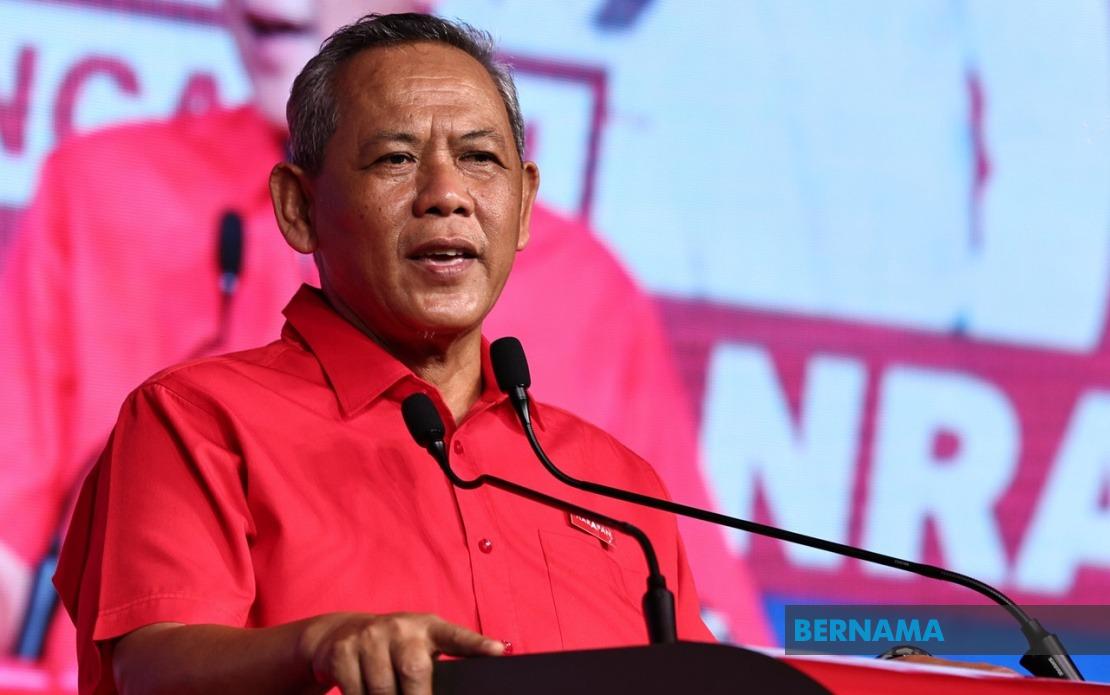
Negeri Sembilan Menteri Besar Datuk Seri Aminuddin Harun has appealed to voters in the Linggi state seat to evaluate government action on the constituency's persistent flood problems rather than permitting the matter to become a political talking point as the state election nears. Speaking after Friday prayers in Seremban on July 17, Aminuddin, who is the Pakatan Harapan candidate contesting Linggi, stressed that the administration takes the flooding issue seriously and has moved beyond rhetoric into tangible project delivery.
The recurring inundation of Linggi has become a flashpoint of public concern, particularly following recent social media discussions highlighting the frequency of floods whenever Seremban experiences prolonged heavy rainfall. Rather than dismissing these grievances, the state government has given its backing to two dedicated flood mitigation schemes in the area, both of which are currently under active implementation through joint efforts between Negeri Sembilan and federal authorities. Aminuddin emphasised that infrastructure projects of this scale demand patience and cannot be hastily completed, framing the timeline as a necessary component of delivering sustainable solutions.
The distinction Aminuddin drew between government problem-solving and political opportunism reveals an underlying tension in Malaysian electoral discourse. While acknowledging public frustration with recurring floods, he contended that weaponising such issues for electoral gain diverts attention from the methodical work required to engineer lasting change. His language—distinguishing between "proper planning and implementation" versus "playing on sentiments"—suggests the administration views some political rivals as exploiting community anxieties rather than genuinely addressing them.
As chairman of Pakatan Harapan in Negeri Sembilan, Aminuddin positioned the coalition's electoral pitch around demonstrated governance rather than promises. This approach reflects confidence in the party's administrative record throughout its stewardship of the state, betting that voters will differentiate between proven track records and opposition messaging. The implicit message to voters is that institutional competence and infrastructure delivery should outweigh partisan rhetoric when casting ballots.
The timing of Aminuddin's remarks carries particular weight given the imminent electoral calendar. The Election Commission designated July 18 as nomination day for the 16th Negeri Sembilan state election, with early voting scheduled for July 28 and the main polling day set for August 1. This compressed timeline means candidates have limited opportunity to reshape narratives or introduce new policy commitments, making the framing of existing problems and government responses especially consequential.
The flooding predicament itself reflects broader infrastructure challenges facing Malaysian states, particularly those with rapid urbanisation and development pressures. Linggi's recurring inundation points to drainage system inadequacies that often plague constituencies across Malaysia where urban expansion has outpaced water management infrastructure. The two mitigation projects, though not detailed in full by Aminuddin, presumably address these underlying hydraulic constraints through upgraded drainage networks, flood barriers, or detention facilities—the conventional toolkits deployed when tackling such problems.
For Negeri Sembilan voters, the election presents a choice between continuity under Pakatan Harapan and an alternative direction potentially offered by opposition candidates. Aminuddin's appeal essentially invites constituents to weigh demonstrated commitment to infrastructure investment against competing visions. Whether voters perceive two approved projects as genuine progress or as insufficient response to a longstanding nuisance will substantially influence electoral outcomes in Linggi and potentially shape broader state-level results.
The broader political context suggests that flood management has emerged as a measurable indicator of government effectiveness in the public mind. Unlike abstract policy commitments, flood mitigation produces visible evidence of action—or its absence. Projects under construction represent tangible government presence, while recurring inundation signals failure. Aminuddin's strategy of directing voter attention toward implementation rather than blame represents a calculated gambit that the physical evidence of construction activity will persuade more voters than opposition critiques.
For Malaysian readers across the region, the Negeri Sembilan election illustrates how local infrastructure issues intersect with electoral politics. Many states face comparable drainage and flood management challenges, and how governments respond—or fail to respond—often determines electoral fortunes. The flood problem in Linggi serves as a microcosm of the performance-based politics increasingly dominating Malaysian campaigns, where voters demand concrete results rather than mere promises.
Aminuddin's invocation of voter "wisdom and maturity" reflects an assumption that constituents will ultimately judge leaders on outcomes rather than rhetoric. This optimistic reading of electoral behaviour suggests that infrastructural progress, even if incomplete, carries persuasive weight against alternative visions untested in governance. Whether this gambit succeeds will become clear once polling concludes on August 1, providing evidence about whether flood mitigation initiatives genuinely shift voter preferences or whether other factors ultimately dominate electoral choice.

