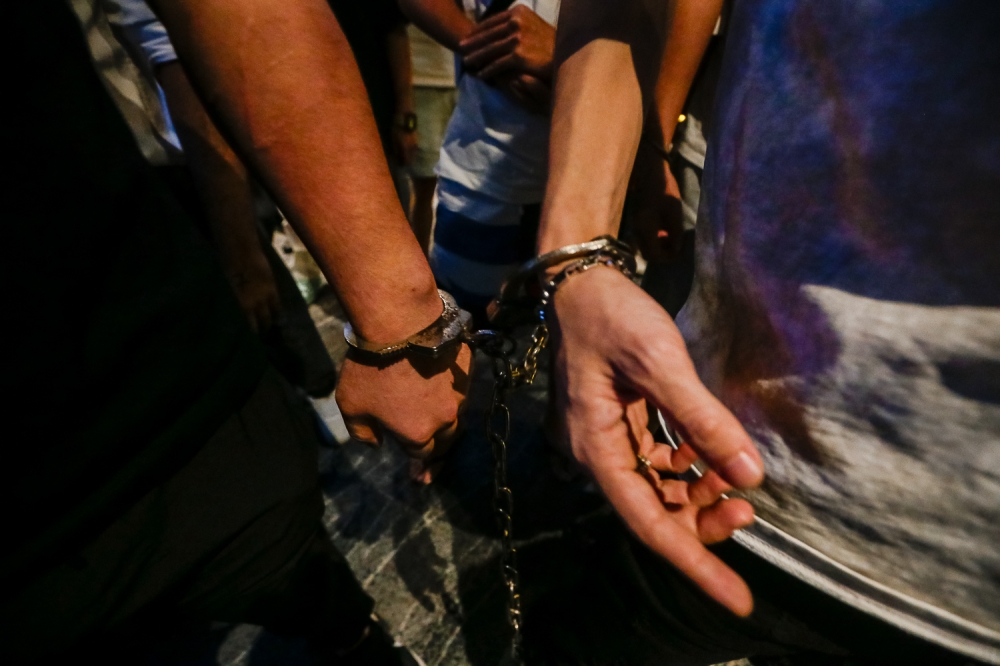
Cheras police have arrested a foreign music composer after receiving complaints of assault and threats directed at a student attending a private educational institution in Kuala Lumpur. The arrest, confirmed by authorities on August 4, comes as part of ongoing investigations into the incident, which has raised questions about safety protocols at private learning facilities in the capital.
The composer, whose nationality was not immediately disclosed by police, was taken into custody following a report filed by the affected student or their representatives. Details surrounding the circumstances leading to the alleged assault remain under investigation, with officers examining whether the incident stemmed from disputes related to academic instruction, personal disagreements, or other factors. Preliminary statements suggest the student attended classes at the private institution where the composer was employed in a teaching or professional capacity.
Cheras district police have begun compiling evidence and interviewing witnesses to establish a comprehensive account of what occurred. The investigation will determine whether criminal charges will be formally laid against the suspect, particularly regarding the assault allegations and any threats made during or after the incident. Police have indicated that the case falls under their jurisdiction and that standard procedures are being followed to ensure a thorough examination of all claims.
This arrest adds to a broader pattern of incidents involving foreign nationals in Malaysia's major urban centres, particularly Kuala Lumpur. Such occurrences have prompted discussions among education authorities and security officials about the vetting processes for international staff members at private institutions. Questions have emerged about whether background checks, credentials verification, and behavioural assessments are sufficiently rigorous before hiring foreign professionals in sensitive roles involving student interaction.
Private educational institutions in Malaysia operate under varying regulatory frameworks depending on their specific classification and the subjects they teach. While some establishments face stringent oversight from the Ministry of Education, others operate with more flexible arrangements. This disparity in regulation has occasionally created gaps in standardised safety protocols and staff accountability measures. The incident underscores potential vulnerabilities where international staff members may face limited institutional checks or where students lack clear channels to report misconduct safely.
The student involved in this case represents one of many young Malaysians who attend private learning facilities, whether for academic enrichment, specialised instruction in music or arts, or complementary education beyond the public school system. For parents and guardians, such incidents raise legitimate concerns about their children's protection in educational environments where they spend significant time. The psychological impact on affected students and their families extends beyond the immediate incident, potentially influencing decisions about institutional choice and trust in private providers.
International composers and music professionals have long contributed to Malaysia's cultural landscape, offering expertise and instruction that enriches the country's arts education. However, individual incidents involving foreign professionals can create misperceptions about international residents and their integration into Malaysian society. Most foreign workers and professionals in Malaysia uphold high standards of conduct, making episodes of alleged misconduct particularly notable and damaging to broader intercultural relationships.
The investigation's progression will likely influence discussions about stricter implementation of existing guidelines at private institutions. Education administrators and policy makers may consider whether enhanced monitoring systems, clearer reporting mechanisms, and standardised training on student protection could be implemented across the private sector. Some institutions have already adopted best practices including background screening through international channels, requiring professional credentials verification, and establishing anonymous complaint systems accessible to students.
For the private education sector in Malaysia, maintaining public confidence depends fundamentally on demonstrating commitment to student safety and rapid response to allegations of misconduct. Institutions failing to implement adequate safeguards risk reputational damage and potential legal liability. This case may prompt broader audits within the private education community regarding compliance with existing regulations and adoption of international best practices in staff management and student protection.
The coming weeks will reveal whether the composer faces formal charges and what specific evidence authorities have gathered. The outcome will likely resonate beyond this single incident, potentially shaping how private institutions approach staff recruitment, ongoing supervision, and incident response protocols. As Malaysia positions itself as an educational hub attracting both international talent and overseas students, maintaining rigorous standards for student protection remains essential to sustaining that reputation and ensuring that learning environments genuinely serve the interests of young people entrusted to them.

