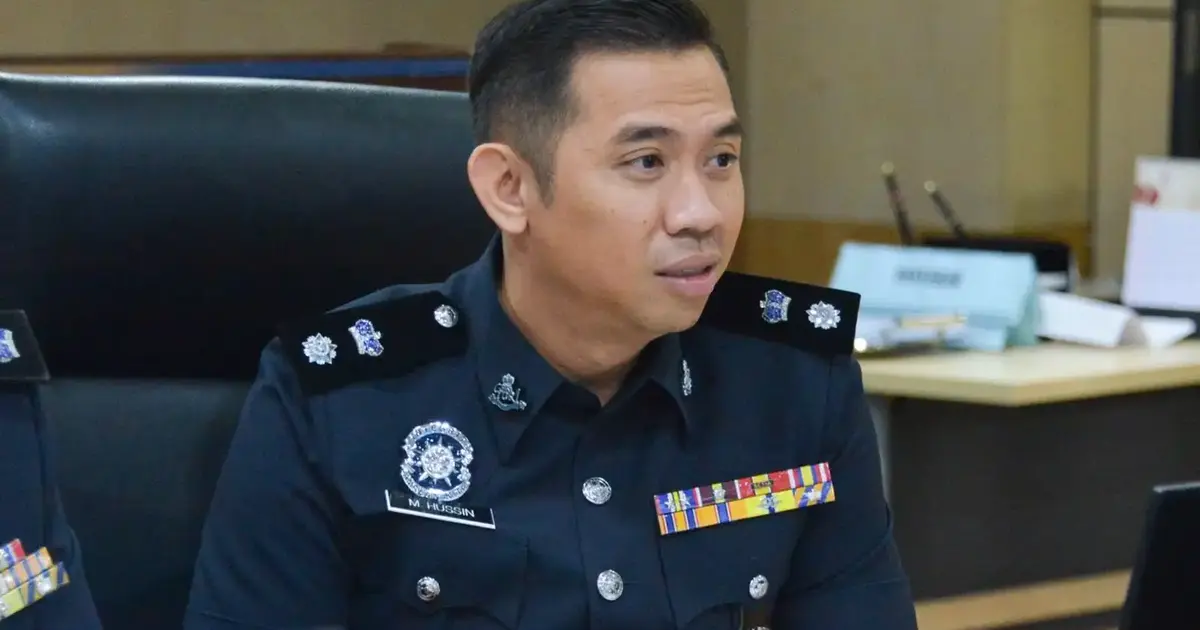
Police have arrested a foreign man in his 20s as investigations continue into the death of a foreign woman of the same age group discovered at a residential condominium in Bandar Sunway. The detention marks the initial breakthrough in what has become an urgent probe into circumstances surrounding the fatality at the popular mixed-use development in Selangor.
The incident has drawn considerable attention given the involvement of foreign nationals and the location at one of Malaysia's major residential and commercial hubs. Bandar Sunway, situated in Petaling Jaya, is home to thousands of expatriates, international students, and migrant workers who form a significant portion of the development's population. The complex comprises numerous residential towers alongside shopping malls, universities, and entertainment facilities, making it a focal point for the international community in the Klang Valley.
The discovery has prompted a comprehensive investigation involving multiple police units and specialist teams. Authorities are examining various aspects of the case to establish the precise sequence of events and circumstances leading to the woman's death. The arrest of the foreign male suspect suggests police are treating the matter as potentially involving foul play, moving beyond preliminary examinations to active detention for questioning and evidence gathering.
For the international student community in Malaysia, such incidents underscore ongoing safety concerns despite the country's generally welcoming reputation for overseas scholars. Approximately 180,000 international students are enrolled in Malaysian institutions, with many residing in private condominiums and purpose-built student accommodation across urban centres. Recent years have witnessed sporadic high-profile cases involving foreign students, raising awareness about personal security, building access protocols, and support mechanisms for vulnerable populations living away from home.
The Bandar Sunway location itself has hosted numerous educational institutions and student housing facilities, making it particularly significant to institutions and families with dependents in Malaysia. Many international students from Southeast Asia, South Asia, China, and the Middle East make their homes in such developments, relying on management standards and community vigilance for personal safety. The incident inevitably raises questions about security infrastructure, emergency response capabilities, and inter-agency coordination in handling critical situations.
Police procedure in cases involving foreign nationals typically requires liaison with relevant embassies and consulates to ensure proper documentation and compliance with international protocols. The nationality of both the deceased and the detained individual will determine which diplomatic missions become involved in the process. Such coordination is essential for information sharing, family notification, and ensuring justice procedures align with Malaysian law while respecting international obligations.
The timing of the discovery and arrest suggests authorities moved swiftly to secure the suspect and initiate formal questioning. Early intervention in such cases often yields crucial evidence while witness recollections remain fresh and forensic materials are not compromised. The police investigation will likely encompass interviews with building residents, security personnel, and individuals with knowledge of the deceased's movements and associations.
Building management and security at residential complexes have come under renewed scrutiny following the incident. Access control systems, CCTV coverage, security patrols, and emergency protocols are standard at premium developments in Bandar Sunway, yet such infrastructure proves only effective when properly maintained and staffed. Management companies operating residential towers are typically required to maintain logbooks, surveillance records, and emergency contact information, all of which become critical in homicide investigations.
The broader implications extend to the regulatory framework governing residential security in Malaysia's prime commercial and residential zones. The Selangor state authorities and Kuala Lumpur City Hall oversee building standards and management practices, though primary responsibility rests with individual condominium corporations and their appointed security contractors. The incident may prompt reviews of security protocols and staff training at comparable developments throughout the Klang Valley.
For families of international students studying in Malaysia, the case serves as a reminder of the importance of maintaining regular contact and awareness of their children's residential environment and social circles. Many universities and student associations have established support networks and safety resources, though uptake and awareness remain variable. The incident is likely to stimulate renewed discussion among parents' groups and institutional support services regarding pastoral care and emergency response mechanisms.
The investigation's progression will determine whether charges are filed under the Penal Code or whether the case is classified as an accident following forensic and pathological examination. Outcomes in such cases typically hinge on evidence from autopsy findings, toxicology reports, and eyewitness accounts combined with digital evidence and scene analysis. The detained suspect's legal representation and access to consular support will be crucial elements in ensuring proper adherence to due process throughout the investigation phase.

