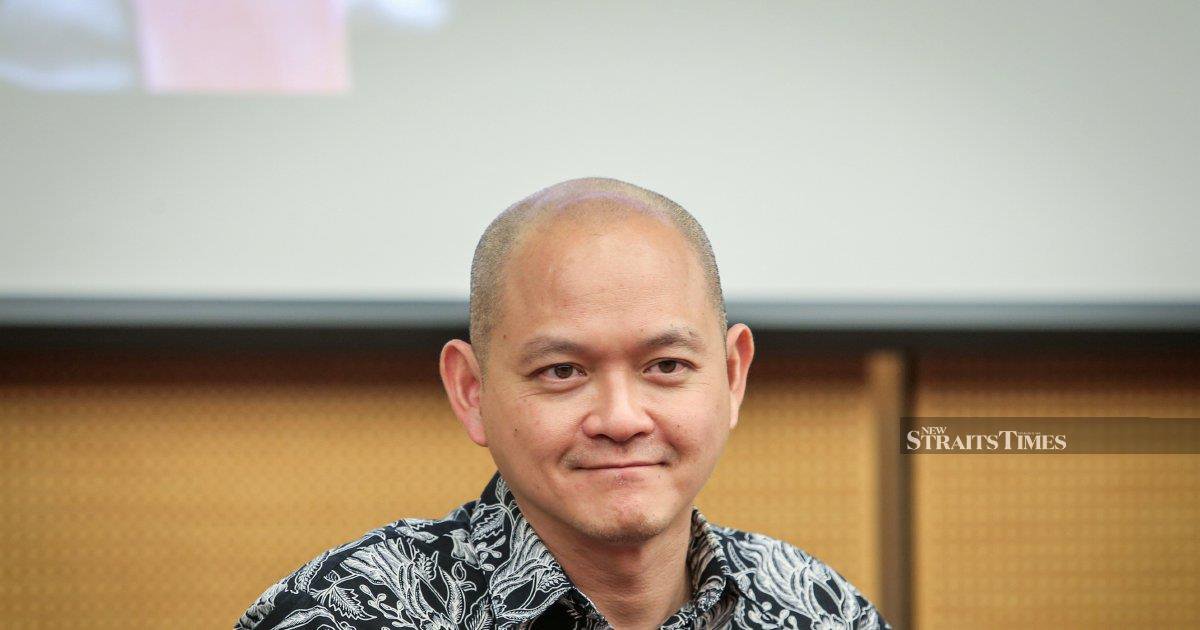
Dr Ong Kian Ming, who previously represented the Bangi constituency in parliament, has formally announced his departure from the Democratic Action Party, marking a significant shift in political allegiances ahead of the country's anticipated general election. The move comes as political positioning intensifies across Malaysia's major coalitions, with key figures reassessing their roles and affiliations in preparation for electoral contests.
Ong's exit from DAP, a party he represented in parliament, represents a notable recalibration within the opposition landscape. The Bangi MP's previous tenure provided him with substantial parliamentary experience and public visibility, particularly on economic and policy matters. His decision to leave the party and align himself with Khairy Jamaluddin's political initiatives suggests a deliberate strategic calculation regarding the political trajectory of both individuals ahead of general election campaigns.
Khairy Jamaluddin has emerged as a significant figure within the ruling coalition's younger generation of leaders, commanding influence across multiple political portfolios. His positioning ahead of the next electoral cycle has attracted political actors seeking to participate in governing coalition initiatives. The collaboration between Ong and Khairy potentially signals the formation of a broader political coalition or movement aimed at reshaping electoral dynamics in key constituencies.
The timing of Ong's departure from DAP carries implications for the opposition coalition's structural stability. DAP has maintained its position as the primary Chinese-backed party within the Pakatan Harapan framework, but personnel departures involving experienced parliamentarians can affect the party's campaign capabilities and grassroots mobilisation strength. Bangi constituency, which Ong previously held, remains a competitive political terrain where such transitions influence seat prospects.
For Malaysian voters, particularly those in Bangi and surrounding areas, Ong's repositioning introduces questions about constituency representation and political continuity. Voters who supported Ong under the DAP banner now face uncertainty regarding his political platform and the policy positions he will espouse within a new political context. The shift reflects broader patterns of political fluidity in post-2020 Malaysia, where rigid party attachments have become less predictable.
Ong's professional background encompasses economic expertise and public policy analysis, capabilities that likely informed his decision to engage with Khairy's political agenda. The two figures represent contrasting political genealogies—Ong emerged through opposition-aligned networks while Khairy remains rooted within the governing establishment—yet their collaboration suggests convergence around specific electoral or policy objectives. This cross-factional engagement exemplifies how Malaysian political actors frequently transcend traditional coalition boundaries when pursuing shared goals.
The broader political landscape reflects ongoing realignment as Malaysia navigates post-pandemic recovery, economic management challenges, and generational power transitions. Younger or mid-career politicians like both Ong and Khairy occupy pivotal positions within their respective networks, capable of mobilising constituencies and influencing coalition strategy. Their collaboration may presage broader reorganisation within ruling and opposition coalitions as various factions position themselves for electoral advantage.
Regional observers note that Malaysia's political ecosystem continues evolving after the electoral volatility of 2018 and 2022. Figures like Ong who straddle different political worlds demonstrate how individual ambitions and strategic partnerships constantly reshape Malaysia's political configuration. The absence of dominant single-party control has created space for tactical alliances and cross-cutting collaborations that would have been unthinkable during earlier periods of Malaysian politics.
For Khairy's political operations, acquiring experienced figures with parliamentary backgrounds and technical expertise enhances his campaign infrastructure and policy development capacity. Ong's involvement potentially expands Khairy's reach into constituencies where DAP previously dominated, particularly among educated urban voters concerned with economic competence and evidence-based policymaking. The partnership suggests a deliberate strategy to compete for political terrain traditionally held by opposition parties.
Thе general election timeline remains fluid, with speculation about whether balloting will occur in 2024 or 2025. Political actors across Malaysia's coalitions have consequently accelerated positioning and alliance-building activities to optimise their preparedness regardless of exact electoral timing. Ong's transition exemplifies this heightened political activity, as experienced campaigners and policymakers reassess their roles and affiliations in anticipation of an intensifying electoral cycle.
DAP's response to Ong's departure will partly reflect the party's broader strategy regarding parliamentary representation and coalition politics. The party has historically demonstrated adaptability in responding to personnel changes, though losing experienced MPs to rival political formations carries symbolic and operational consequences. How DAP rebuilds its Bangi constituency presence and compensates for Ong's parliamentary experience will influence the party's electoral prospects in the upcoming contest.
Moving forward, Ong and Khairy's political collaboration will merit close observation from Malaysian political analysts, media commentators, and electoral observers. Their activities may signal broader realignment patterns within Malaysia's political establishment, particularly regarding generational leadership transitions and evolving coalition configurations. The partnership's success in electoral terms will partly determine whether such cross-factional collaborations become increasingly common within Malaysia's continuing political evolution.

