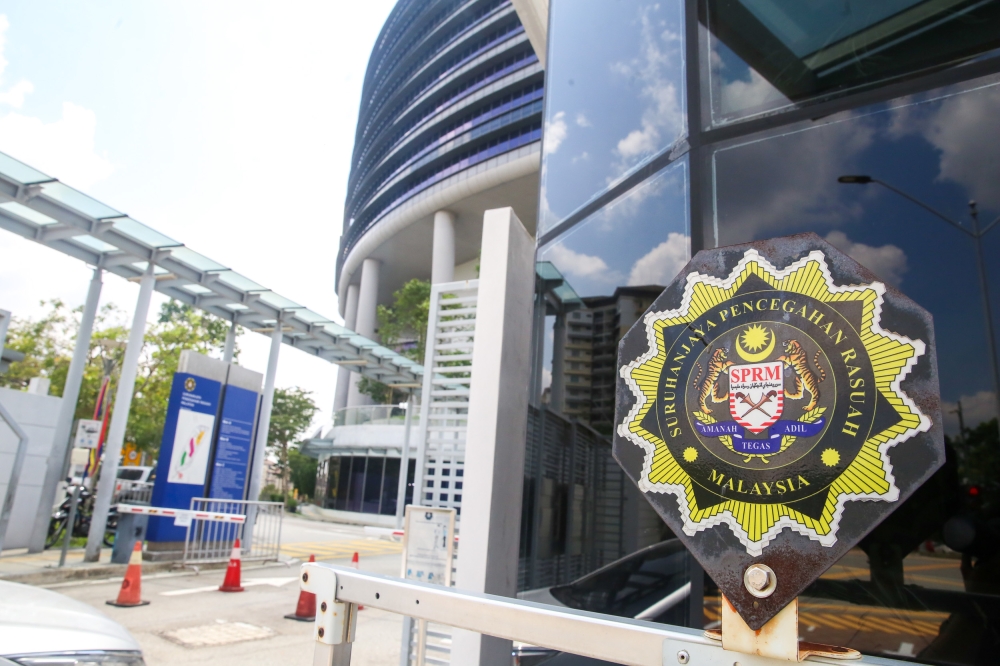
A former civil servant is in custody at the Kuala Lumpur office of the Malaysian Anti-Corruption Commission (MACC) following allegations of an elaborate fraud scheme spanning multiple identities and government assistance programmes. The four-day remand order, issued in July, came after investigators uncovered evidence suggesting the individual exploited personal information belonging to at least 11 people to illegally access welfare payments totalling RM300,000. The case underscores vulnerabilities within government assistance distribution systems and raises fresh concerns about identity fraud in Malaysia's social safety net programmes.
The MACC's swift action in securing the remand order reflects the seriousness with which authorities are treating this category of offence. Identity-based fraud targeting government subsidies and welfare payments represents a significant threat to public resources, particularly when perpetrated by individuals with insider knowledge of administrative procedures. The suspect's background in the civil service suggests potential familiarity with bureaucratic loopholes and processing mechanisms that may have been exploited to bypass standard verification protocols.
The scale of the alleged fraud—involving double-digit victims and a six-figure sum—indicates this was likely not a spontaneous or opportunistic crime. Rather, the scheme appears to have been methodically planned and executed, possibly over an extended period. Such coordinated identity manipulation requires access to sensitive personal information and deliberate action to manipulate government systems. The involvement of 11 victims raises questions about how the suspect obtained their details and whether data security at government agencies proved adequate to prevent such misuse.
For Malaysian policymakers and administrators, the case highlights the critical importance of strengthening verification processes within aid distribution systems. Current mechanisms for confirming beneficiary eligibility apparently failed to detect the fraudulent claims, allowing substantial sums to be diverted. This vulnerability could be replicated across multiple programmes unless fundamental safeguards are enhanced. Digital identity verification systems, cross-agency data validation, and biometric checks represent potential improvements that could significantly reduce such risks going forward.
The implications extend beyond the immediate case. Citizens whose information was misused now face potential consequences including damaged credit histories, complications in accessing legitimate benefits, and the burden of proving they were victims rather than complicit parties. Government agencies may face scrutiny over data handling practices and whether adequate security measures were in place to protect personal information from internal threats. The incident also underscores why individuals with access to sensitive government databases must be subject to rigorous security protocols and regular audits.
From a broader corruption perspective, this case demonstrates that financial malfeasance within the civil service remains a persistent challenge. While the MACC has become increasingly effective at investigating and prosecuting such cases, the underlying institutional vulnerabilities that enable wrongdoing suggest that reactive enforcement must be complemented by proactive systemic reforms. Enhanced training for government personnel, clearer audit trails for payments, and stronger consequences for fraudsters may collectively deter similar schemes.
The four-day remand period grants investigators time to gather additional evidence, interview witnesses, and trace the flow of diverted funds. Determining whether the suspect acted alone or in coordination with other individuals—including potential co-conspirators within government or outside parties who may have provided personal information—will be crucial to understanding the scheme's full scope. Bank records, telecommunications data, and digital forensics may all feature in the investigation.
This arrest also carries implications for Malaysia's standing on international anti-corruption benchmarks. International observers monitor how effectively nations investigate and prosecute corruption cases, including fraud within social programmes. A thorough investigation and appropriate prosecution would demonstrate official commitment to accountability, while any perception of leniency could undermine confidence in Malaysia's anti-corruption frameworks.
For ordinary Malaysians, the case serves as a reminder of the importance of monitoring their personal information and maintaining awareness of government benefits being claimed in their name. Citizens noticing suspicious payment claims or correspondence should promptly report these to relevant authorities. Additionally, the incident underscores broader cybersecurity concerns affecting both individuals and institutions, reinforcing the need for vigilance around personal data sharing and the importance of strong authentication mechanisms.
The MACC's investigation represents part of its expanding mandate to address financial crimes within government structures. As Malaysia seeks to strengthen institutional integrity and improve public confidence in administrative systems, cases such as this demonstrate both the agency's investigative capabilities and the ongoing challenges facing anti-corruption efforts. The outcome of this inquiry will likely inform future policy discussions about safeguarding government assistance programmes and protecting citizens' personal information from internal misuse.
Moving forward, this case should catalyse broader institutional reforms across government ministries responsible for aid distribution. Implementing standardised verification protocols, deploying modern identity authentication technologies, and establishing inter-agency information-sharing systems could substantially reduce opportunities for fraudsters to exploit the system. The cost of such preventive measures would almost certainly prove far less than the billions lost annually to corruption and fraud across public assistance programmes.

