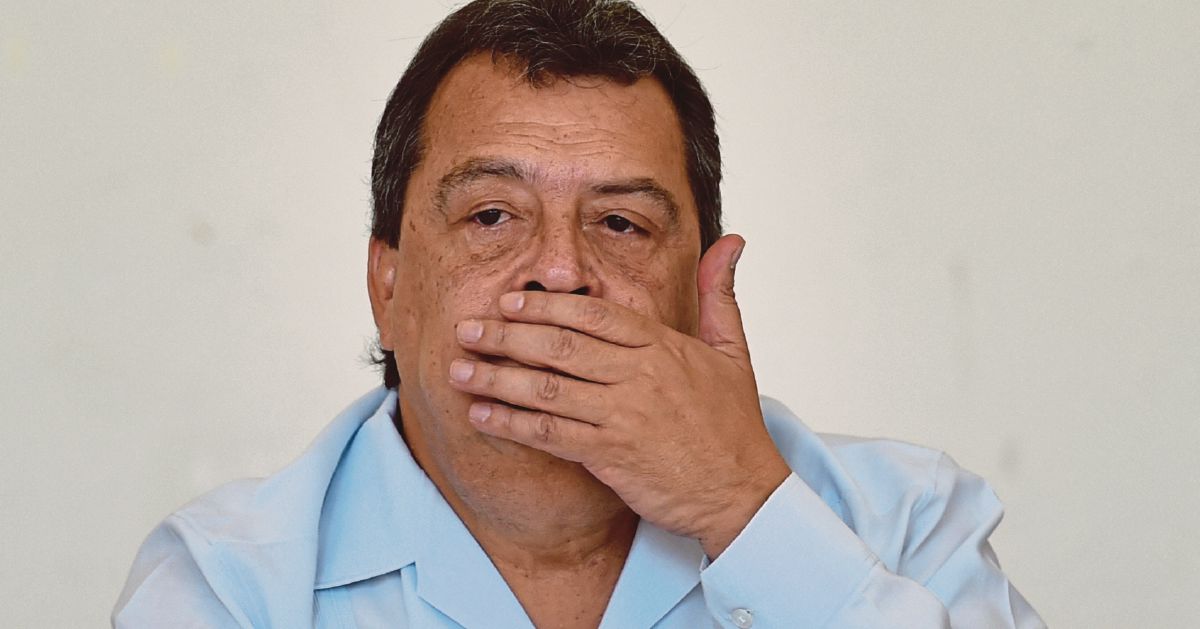
A former governor of Mexico's Guerrero state has been taken into custody on suspicion of orchestrating efforts to conceal evidence that might have illuminated the fate of 43 students who vanished a decade ago, according to announcements made by Mexican law enforcement on Thursday. The arrest represents a significant development in one of Mexico's most pressing unsolved cases, which has haunted the nation and drawn international scrutiny since the young men's mysterious disappearance in September 2014.
The case of the missing students from the Ayotzinapa Rural Teachers' College has become emblematic of Mexico's broader struggles with violence, corruption, and institutional failure. For nearly ten years, families and civil society groups have pressed for accountability and answers, staging protests and maintaining public pressure on authorities to pursue investigations. The allegation that a former chief executive actively sought to obstruct justice by destroying potential evidence underscores the depth of governmental complicity that many observers believe facilitated the students' initial fate.
The destruction of evidence represents one of the most insidious aspects of the investigation—the suggestion that official channels were weaponised not to solve the disappearances but to shield those responsible. In contexts where organised crime and state structures become intertwined, such obstruction becomes a secondary crime layered atop the original tragedy. The arrest thus signals at least a nominal commitment by current authorities to pursue even high-ranking former officials who may have participated in cover-up operations.
Mexico's approach to the Ayotzinapa case has evolved substantially since 2014. Initial investigations portrayed the incident as a localised criminal matter, but mounting evidence and international pressure prompted authorities to reframe their understanding of events. A 2018 investigation suggested broader state involvement than previously acknowledged, prompting shifts in how Mexican institutions approached accountability mechanisms. The current arrest fits within this trajectory of deepening institutional scrutiny.
For Southeast Asian observers, the Ayotzinapa case carries resonance within regional discussions about state accountability and the disappearance of citizens. Malaysia, Indonesia, the Philippines, and Thailand have each grappled with cases of unexplained disappearances and allegations of institutional involvement. The Mexican experience illustrates the protracted struggle required to achieve even partial justice when powerful figures attempt to shield themselves from investigation, a pattern that transcends geography.
The Guerrero state itself has remained one of Mexico's most violent regions, with powerful criminal organisations exercising significant territorial control. This structural context complicates investigations by creating environments where officials face genuine risks should they cooperate fully with inquiries, yet it does not absolve those who actively participate in destruction of evidence or obstructing justice. The arrest signals that former official status no longer automatically confers immunity from prosecution.
Families of the 43 students have maintained extraordinary vigilance and organisation throughout the decade of uncertainty. Their advocacy has prevented authorities from allowing the case to recede into bureaucratic dormancy. International human rights organisations and United Nations bodies have repeatedly called for comprehensive investigations and accountability. The arrest, therefore, represents a response to sustained domestic and international pressure that demonstrates the power of persistent civil society engagement.
The allegations specifically target efforts to eliminate evidence that might have clarified what occurred after the students were seized. Understanding the sequence of events—whether students were killed immediately or subjected to extended captivity, which authorities and criminal groups coordinated actions, where remains might be located—depends partly on documentary and material evidence. The alleged destruction of such evidence thus represents an attempt to preserve permanent mystery and deny families basic facts about their relatives' fate.
Mexico's judicial system faces substantial credibility challenges, with corruption allegations afflicting multiple institutional layers. The success of any prosecution in this case will depend partly on whether investigators can reconstruct evidence or identify witness testimony despite alleged destruction efforts. Conviction standards require demonstrating not only that evidence was destroyed but that it was done so with knowledge of its evidentiary value and with intent to obstruct justice—a high bar even when official wrongdoing is apparent.
The broader implications extend beyond the immediate facts of this single case. Governments throughout the Americas and globally face recurring challenges in holding former officials accountable for crimes committed while in office. Whether through amnesty laws, statute of limitations provisions, or institutional reluctance to prosecute predecessors, systematic impunity often protects those involved in disappearances and cover-ups. Mexico's willingness to pursue a former governor, despite his prior position and inevitable political sensitivities, suggests evolving norms around accountability for high-level officials.
As investigations continue and judicial processes unfold, the Ayotzinapa case remains emblematic of Mexico's capacity—or incapacity—to deliver justice for victims of state-facilitated violence. For the families of the 43 students, this arrest offers at minimum an acknowledgment that obstruction of justice occurred at governmental levels, even if it provides no clarity on their relatives' final fate. The arrested former governor will face the opportunity to contest the allegations in court, but the prosecution itself represents movement in a ten-year struggle for accountability.

