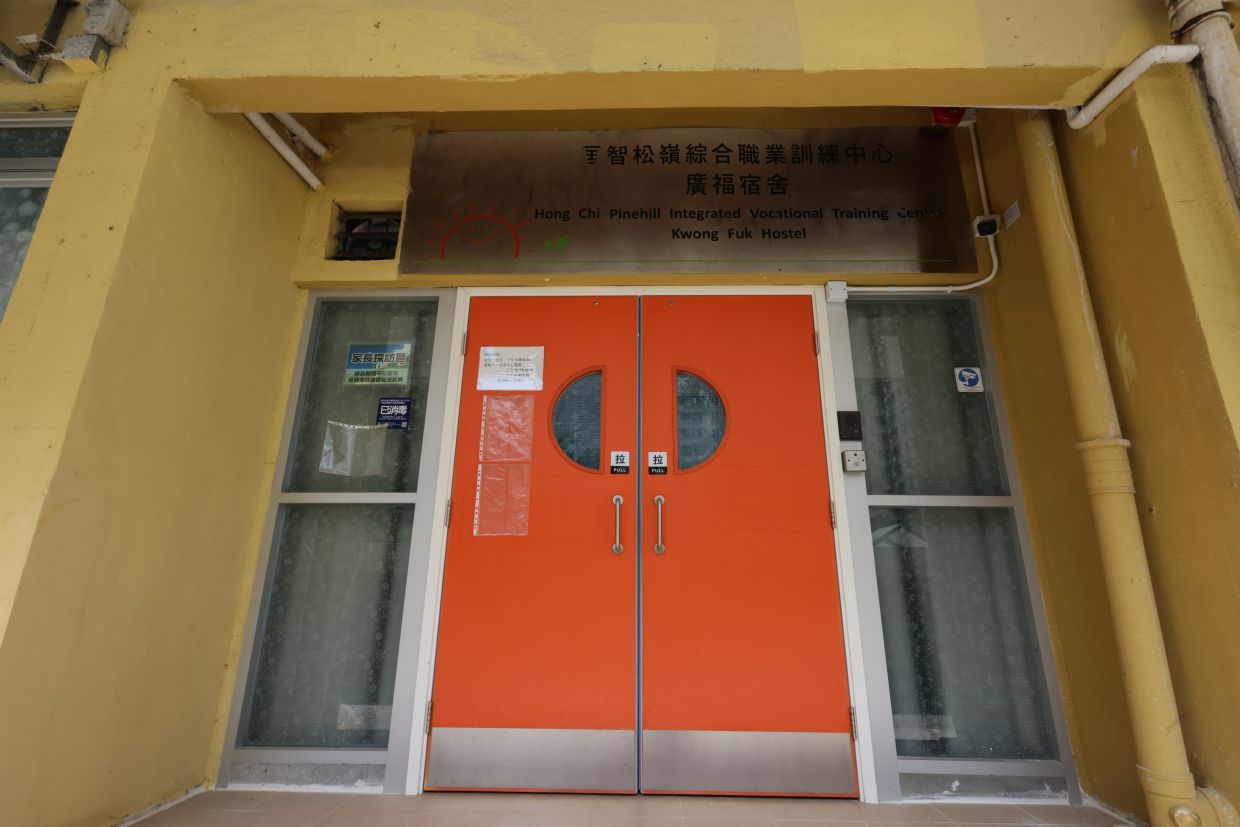
A former assistant warden employed at a residential care facility for people with intellectual disabilities in Hong Kong's Tai Po district has been charged with five counts of rape against a vulnerable resident, with proceedings now underway at the High Court. Chung Pui-kei allegedly committed the offences during July and August 2024 at the facility, which operates under Chi Hong Association, a non-governmental organisation providing support services for individuals with developmental needs. The trial before Judge Douglas Yau Tak-hong involves a jury of four men and two women, with prosecutor Human Lam Hiu-man presenting evidence from video-recorded interviews with the victim and security surveillance footage.
The alleged victim, referred to as X in court proceedings, is currently 23 years old but possesses intellectual and cognitive abilities comparable to a child of approximately nine years and ten months old. During the period when the incidents allegedly occurred, X was a resident at the facility where Chung held his position as assistant warden. Prosecutors have characterised the relationship as one where the defendant deliberately cultivated familiarity and trust with the vulnerable resident through seemingly innocent activities. According to Lam's account, Chung would frequently initiate conversations with X, engage her in video games including Mario Kart, and provide small treats such as marshmallows—tactics designed to lower her guard and establish proximity.
The prosecution's evidence indicates that three of the five alleged incidents took place within a male staff rest area at the facility, while two others occurred in X's residential room. In each instance, Lam described that Chung allegedly secured the spaces by locking doors before removing clothing and proceeding with the assaults. The victim recalled experiencing physical pain during portions of the alleged abuse and had attempted to resist verbally on certain occasions, either expressing refusal or communicating discomfort. However, the prosecution contends that fear played a significant factor in X's subsequent reluctance to vocally protest, as she harboured concerns about being reprimanded or scolded by her attacker.
Physical evidence collected during the police investigation has been presented to support the prosecution's allegations. Officers discovered condoms and related items stored in a locker situated in the male staff rest area. More significantly, investigators recovered a bedsheet from X's residential room that yielded forensic evidence: the defendant's semen and the victim's DNA were both identified on the textile. This physical corroboration, combined with witness testimony about X's account of events, forms a crucial component of the Crown's case against Chung.
Medical professionals have been called to establish the victim's mental health status and intellectual capacity, matters that directly relate to her legal ability to consent and the seriousness of the alleged crimes. Psychiatrist Lydia Lam Yi-ngar from Tai Po Hospital examined X on two occasions in 2024—specifically on August 19 and October 21, following the alleged incidents—and compiled a clinical report for the proceedings. The psychiatrist documented that X had undergone hospitalisations in both 2018 and 2021 related to mental health complications but had achieved stability through medication and required only routine follow-up appointments since her discharge. Dr Lam confirmed a diagnosis of bipolar affective disorder affecting X's mental state.
During her testimony, the psychiatrist indicated that at both her August and November 2024 assessments, X did not exhibit psychotic symptoms and showed no manifestations consistent with post-traumatic stress disorder—findings that the defence may seek to challenge the reliability of X's recollections or emotional responses to alleged events. The defence counsel, Lawrence Hui Cheuk-lun, pursued a line of questioning targeting the possibility that medication non-compliance might compromise X's perception and memory formation. He specifically inquired whether patients with X's condition could experience hallucinations that distort facial recognition if they failed to maintain consistent medication schedules, and whether the doctor possessed direct knowledge of X's adherence to her pharmaceutical regime during July 2024.
The psychiatrist's responses provided unfavourable ground for this defence strategy. Dr Lam clarified that hallucinations do not constitute a recognised side effect of valproate sodium, one of two medications X was prescribed as a mood stabiliser. Furthermore, although the doctor acknowledged relying on information from residential home staff regarding X's medication compliance, she noted that blood testing undertaken on the patient revealed drug concentration levels entirely consistent with the prescribed therapeutic dosage. This biochemical evidence substantially undermines the defence proposition that medication irregularity might have distorted X's perceptions during the alleged events.
Clinical psychologist Wong Yik-tung, employed by the Social Welfare Department, conducted assessments of X's intellectual capacity after the alleged assaults occurred and was called to provide expert testimony on this specialised matter. Wong's evaluation findings would establish the degree to which X's developmental disability limited her cognitive functioning and decision-making capacity, questions fundamental to determining her legal status as an incapacitated person unable to provide informed consent. Wong's evidence was ongoing at the time reporting occurred and was scheduled to continue before the jury on Monday.
The case highlights persistent vulnerabilities within residential care settings throughout East Asia, where individuals with significant intellectual disabilities remain at heightened risk despite purported safeguarding mechanisms. The progression from alleged predatory relationship-building to sexual assault follows patterns documented in abuse investigations globally, wherein caregivers exploit institutional access and positions of authority to establish control over vulnerable dependents. The reliance upon video-recorded interviews and forensic evidence—rather than solely upon the victim's testimony, which defence counsel might seek to undermine through examination of her psychiatric history—represents an evolving best-practice approach to prosecuting crimes against people with cognitive disabilities.
For Malaysian and broader Southeast Asian observers, this case underscores systemic challenges confronting disability services across the region. Many jurisdictions, including Malaysia, continue grappling with inadequate oversight mechanisms, insufficient background screening protocols, and insufficient training for care staff regarding recognition and prevention of abuse. The Hong Kong prosecution's robust gathering of corroborating evidence—from surveillance footage to forensic analysis to psychiatric expert testimony—illustrates investigative standards that neighbouring territories might aspire toward emulating. The outcome of Chung's trial will carry implications for how residential care facilities across Asia structure safeguarding policies and whether additional regulatory frameworks become necessary to protect this particularly vulnerable population segment.

