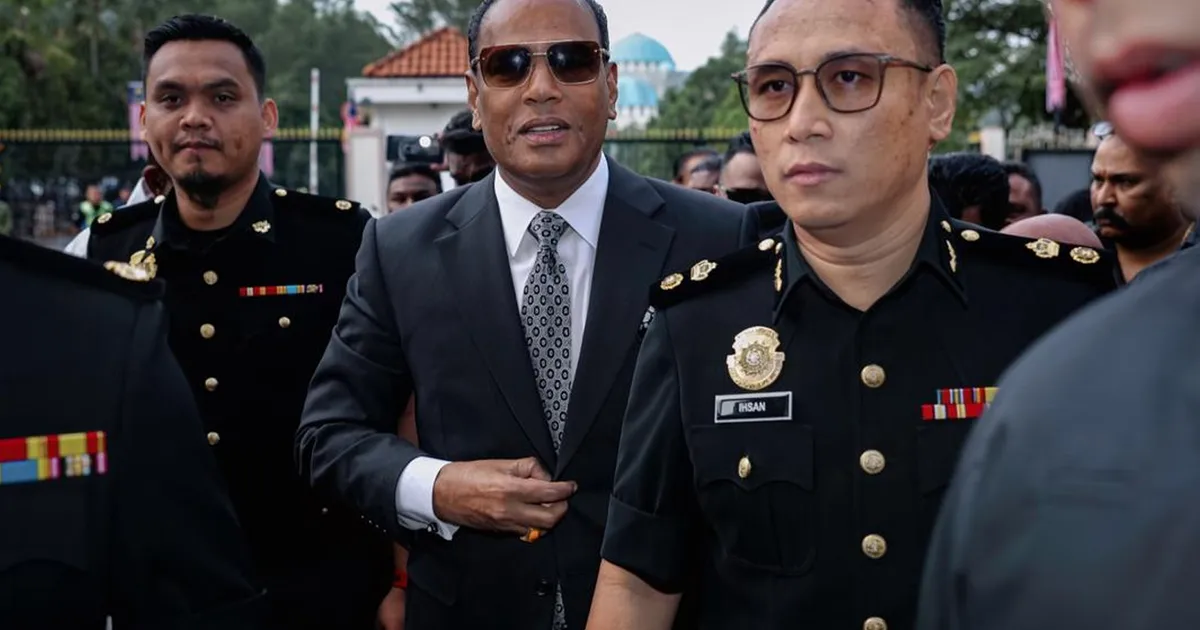
Saravanan, who previously served as Malaysia's human resources minister, presented a composed and well-dressed appearance as he arrived at the Kuala Lumpur courts complex shortly after 8.25am. The former cabinet official's punctual arrival underscored the importance he places on his legal engagement, with observers noting his measured demeanor throughout the early morning court visit.
The appearance marks another chapter in an ongoing legal matter involving the prominent political figure. Saravanan's presence at the nation's primary judicial venue reflects the seriousness with which the proceedings are being treated by all parties involved. His carefully maintained appearance during the court visit appeared deliberate, suggesting an effort to project stability and professionalism during what may be a challenging period.
The timing of the early morning arrival—before the courts complex reaches its typical weekday activity levels—allowed for a relatively private entrance, though media presence at the venue captured the moment for public record. This pattern of discrete but observable court attendance has become routine for high-profile political figures navigating Malaysia's legal system in recent years.
Saravanan's role as a former human resources minister placed him at the centre of the government's employment and labour policy framework during his tenure. The portfolio, which oversees matters ranging from civil service regulations to workplace standards across the nation, carries significant administrative responsibility. His transition from this influential cabinet position to the present legal situation represents a notable shift in circumstances for the veteran politician.
The KL courts complex remains the focal point for major cases involving public figures and matters of national significance. Its role as the primary judicial hub in Kuala Lumpur means that high-profile appearances generate considerable attention from legal observers, journalists, and the broader public seeking to understand developments in significant cases. The venue's prominence ensures that proceedings involving former cabinet ministers receive thorough documentation and analysis.
For Malaysian political watchers, the continued legal engagement of former ministers signals ongoing accountability mechanisms within the nation's judicial framework. Despite debates about the speed and consistency of such proceedings, the appearance of former government officials in court remains a notable aspect of Malaysia's contemporary political landscape. Saravanan's composed bearing during his court visit reflected the professional approach many seasoned political figures adopt when facing legal scrutiny.
The early morning timing of such court appearances is not uncommon for cases involving high-profile individuals, as it can limit disruption to daily court operations while still fulfilling procedural requirements. Saravanan's punctual arrival demonstrated respect for the judicial process and suggested preparation for the matters before the court. These logistical details, while seemingly minor, often carry significance in how observers assess the approach taken by those involved in major legal proceedings.
Southeast Asian political systems frequently witness transitions in which senior officials face legal challenges following changes in government or shifts in political circumstances. Malaysia's experience in this regard reflects broader regional patterns, though each case involves unique contexts and allegations. The conduct of former officials during such proceedings often influences public perception of both the individual and the judicial system's credibility.
The implications of Saravanan's legal proceedings extend beyond the individual case, touching on broader questions about governance, accountability, and the rule of law in Malaysia. As a former cabinet member responsible for human resources policy, any findings in his case could have indirect effects on public confidence in the ministry's operations and the government's approach to labour policy implementation. Furthermore, how courts handle cases involving prominent political figures continues to shape discussions about judicial independence and political neutrality.
Observers of Malaysian politics note that the continuing legal engagement of former government officials reflects an era in which previous administrations face heightened scrutiny. The contrast between Saravanan's current legal situation and his previous ministerial standing illustrates the dramatic nature of political transitions in the country. His steady demeanor during court appearances suggests an acceptance of the legal process, though the ultimate outcomes remain subject to judicial determination.
The presence of former ministers at the KL courts complex has become sufficiently routine that media outlets maintain regular coverage of such appearances. This transparency, while sometimes uncomfortable for those involved, reinforces the principle that no individual stands above the legal system regardless of previous political station. Saravanan's appearance thus represents both a personal legal matter and a broader institutional moment in Malaysia's continuing engagement with accountability and judicial processes.

