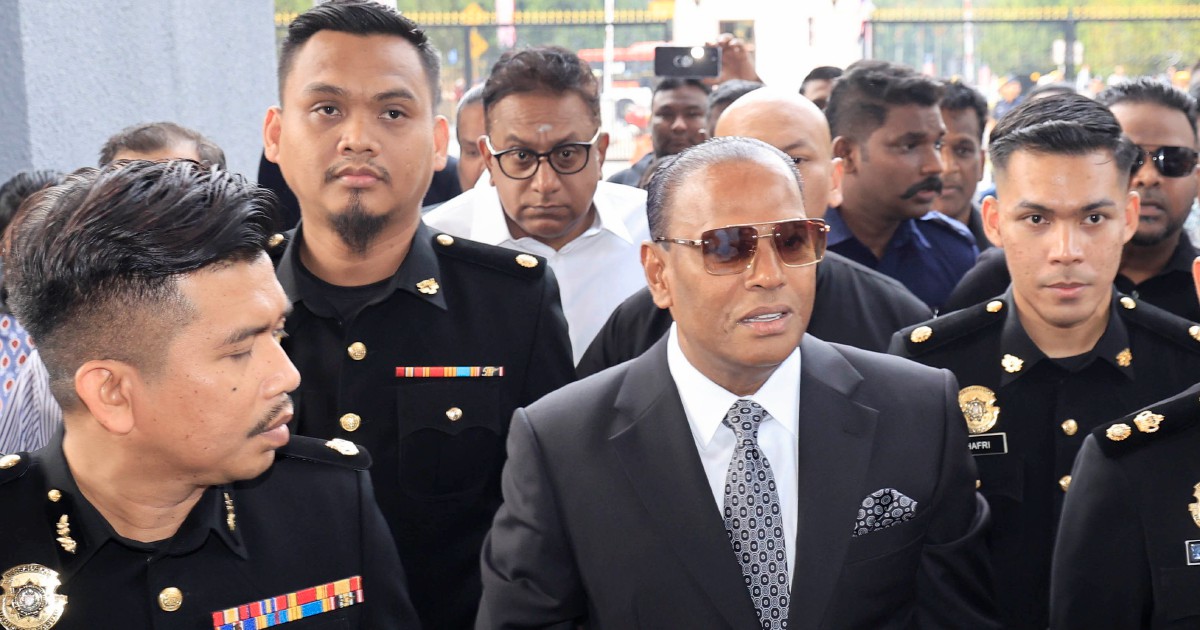
Datuk Seri M. Saravanan, the former Human Resources Minister, made a public declaration of his integrity shortly after leaving the courtroom where he faced three corruption-related charges. In his statement to waiting media, the senior politician insisted that his conscience remains clear and that he stands by his record in public service, rejecting any suggestion that his reputation had been tarnished by the accusations brought against him.
The appearance marked a significant moment in Malaysian politics, as high-ranking government officials seldom face such serious legal proceedings. The charges represent a watershed moment in the country's ongoing efforts to combat corruption at the highest levels of administration. Saravanan's defiant posture immediately after the court hearing suggested he intends to mount a vigorous defence rather than accept the allegations without contest.
For Malaysia's anti-corruption framework, the case underscores the Malaysian Anti-Corruption Commission's commitment to prosecuting public officials regardless of their seniority or previous position. The decision to bring charges against someone of Saravanan's stature sends a message about the commission's independence and willingness to pursue cases through the judicial system, even when the accused occupies or has occupied prominent ministerial posts.
In the broader context of Southeast Asian governance, Malaysia's handling of high-profile corruption cases reflects both regional and international pressure to strengthen institutional accountability. The prosecution of former ministers demonstrates a departure from historical patterns where political connections sometimes shielded officials from legal consequences. Such developments are carefully monitored by international observers assessing the region's commitment to transparent governance.
Saravanan's assertion of innocence reflects a common legal strategy employed by public figures facing corruption allegations. By immediately countering the charges with claims of integrity, he seeks to shape public perception and maintain his political standing during the potentially lengthy legal proceedings ahead. His statement may also be intended to reassure allies and supporters that his involvement in the charges does not signal guilt.
The former minister's portfolio overseeing human resources matters during his tenure means that any corruption findings could have implications for labour policy implementation and workforce management across the government sector. His departure from office following these charges inevitably raises questions about the quality of oversight during his term and whether investigative agencies are now examining decisions made while he held the post.
The case also highlights the different trajectories that senior Malaysian politicians face after leaving high office. While some transition into business or advisory roles, others encounter legal challenges that transform their public legacies. For political observers in Malaysia, Saravanan's situation demonstrates that former ministerial status provides no immunity from prosecution and that even prominent figures must answer to the courts.
From a Malaysian legal standpoint, the case moves into a phase where evidence will be presented and tested in court. The three charges will require the prosecution to establish specific elements of corruption beyond reasonable doubt. Saravanan's defence team will have the opportunity to challenge the prosecution's case and present contrary evidence. This adversarial process is fundamental to Malaysia's common law system and ensures that serious allegations receive full judicial scrutiny.
The implications for the Human Resources Ministry and the civil service extend beyond the immediate legal proceedings. Any findings of corruption by a former minister could necessitate a review of policies and decisions implemented during his tenure. The public service commission and relevant oversight bodies may need to examine whether systemic weaknesses were exploited or whether the accusations relate to isolated incidents.
Politically, the charges raise questions about the government's internal vetting processes for ministerial appointments. How such individuals come to hold high office and what mechanisms exist to prevent those with propensity for corruption from reaching sensitive positions becomes a matter of public interest and parliamentary scrutiny. Opposition parties will likely use the case to question the government's integrity and governance standards.
Saravanan's defiant stance must be understood alongside the Malaysian legal tradition where accused persons maintain their right to be presumed innocent until proven guilty. His public assertions of integrity are his prerogative, though the courts will ultimately determine the facts of the matter through formal legal processes. The coming months will see the unfolding of evidence and arguments that will define the substance of these serious allegations.

