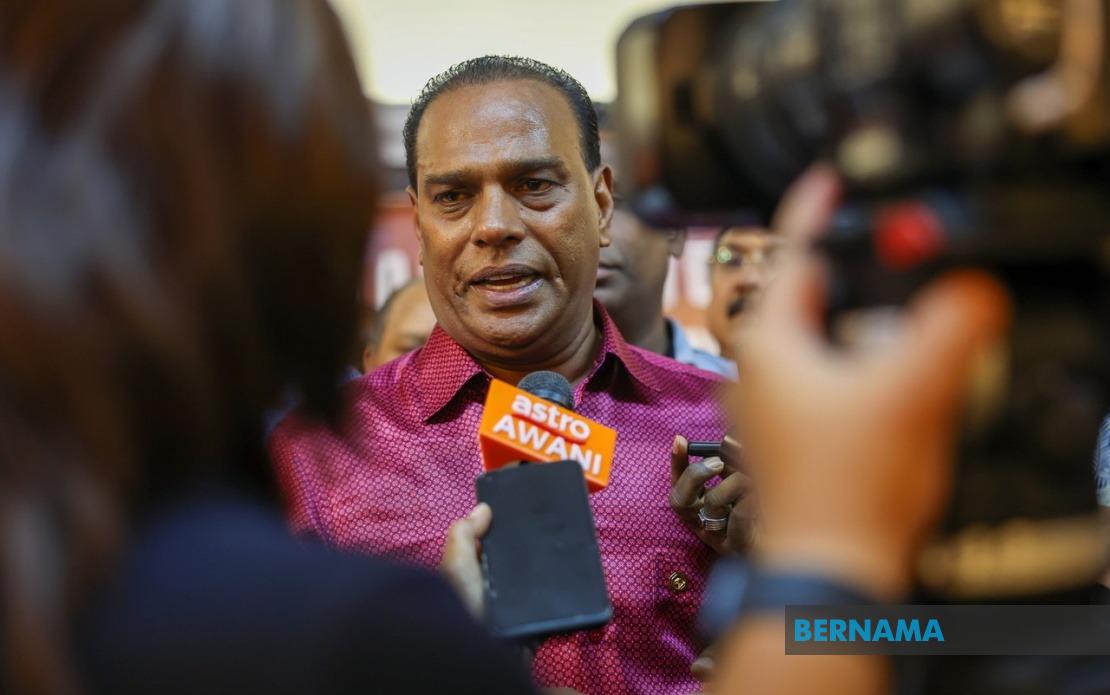
Former Human Resources Minister Datuk Seri M. Saravanan confirmed today that he will appear in the Sessions Court tomorrow to face criminal charges stemming from allegations connected to the hiring of foreign workers during the COVID-19 pandemic in 2022. The Tapah MP and MIC deputy president made the announcement through a video message distributed to media, indicating his willingness to engage with the legal process despite the unusual circumstances surrounding the case.
The charges facing Saravanan are expected to be filed under Section 16 of the Malaysian Anti-Corruption Commission Act 2009, which pertains to soliciting, receiving, giving, promising or offering a bribe. The Malaysian Anti-Corruption Commission issued a media invitation earlier today regarding the former minister's appearance at court, signalling the gravity with which the anti-graft agency is treating the matter. This development represents a significant moment in Malaysian politics, particularly given Saravanan's recent prominent role in government.
According to Saravanan's statement, the charges originate from allegations contained in a third-party statement. The individual who made the initial accusation linking Saravanan to the foreign worker recruitment issue has since passed away, having died approximately two months before today's announcement. This complicates the legal landscape considerably, as the primary witness to the alleged events is no longer available to provide testimony or clarification regarding the circumstances of the complaint.
Further muddying the evidentiary waters, the individual who initially made the accusatory statement subsequently executed a Statutory Declaration withdrawing the allegations against the former minister. This retraction suggests potential inconsistencies in the complaint or possible pressure placed upon the witness. Saravanan emphasised this development in his statement, arguing that despite the withdrawal, he now faces prosecution based on the original allegations that were formally denied through the statutory process.
Saravanan has maintained his innocence throughout this ordeal, asserting that he never contacted or knew the individual making the allegations through any means of communication, whether by telephone or text message. His defence rests on the premise that without direct communication or interaction with the accuser, the basis for the charges becomes tenuous at best. The former minister appears to be adopting a strategy that challenges the credibility and foundation of the original accusations.
The legal team representing Saravanan has already prepared for court proceedings, planning to file an application tomorrow seeking expedited trial proceedings. This aggressive approach suggests confidence in their ability to contest the charges and a desire to resolve the matter swiftly rather than endure prolonged legal battles. Expedited trials can signal either strong defence evidence or a strategic choice to clear the matter from the political landscape quickly.
The timing of these charges carries particular significance within Malaysian politics. The foreign worker recruitment issue during COVID-19 has been a matter of public controversy, with questions raised about government oversight, compliance with immigration regulations, and potential corruption in hiring practices. That a former HR minister now faces charges related to this domain invites scrutiny into departmental operations during his tenure and raises broader questions about institutional controls.
For Malaysia's business community and foreign investors, this case underscores the continued emphasis on anti-corruption enforcement, even against high-ranking political figures. The willingness of the MACC to proceed with charges against a former cabinet minister, despite procedural complications involving a deceased witness and a retracted statement, signals commitment to investigating alleged impropriety regardless of political standing. This has implications for how companies operating in Malaysia approach government contracts and foreign worker sponsorships.
The MIC, Malaysia's primary Indian-based political party and component member of the Barisan Nasional coalition, will likely face internal discussions about Saravanan's position within the party hierarchy given his status as deputy president. How the party manages this situation could influence community perceptions of the coalition's governance standards and willingness to hold its own members accountable to the law.
Saravanan's decision to proceed to court and publicly commit to defending himself rather than seeking alternative resolutions demonstrates a calculated political stance. By emphasising his cooperation with legal processes and his readiness to clear his name, he attempts to maintain public standing while the judicial system determines the merits of the accusations. However, the unusual circumstances—a deceased accuser and a withdrawn statement—will likely feature prominently in media coverage and public discourse surrounding the case.

