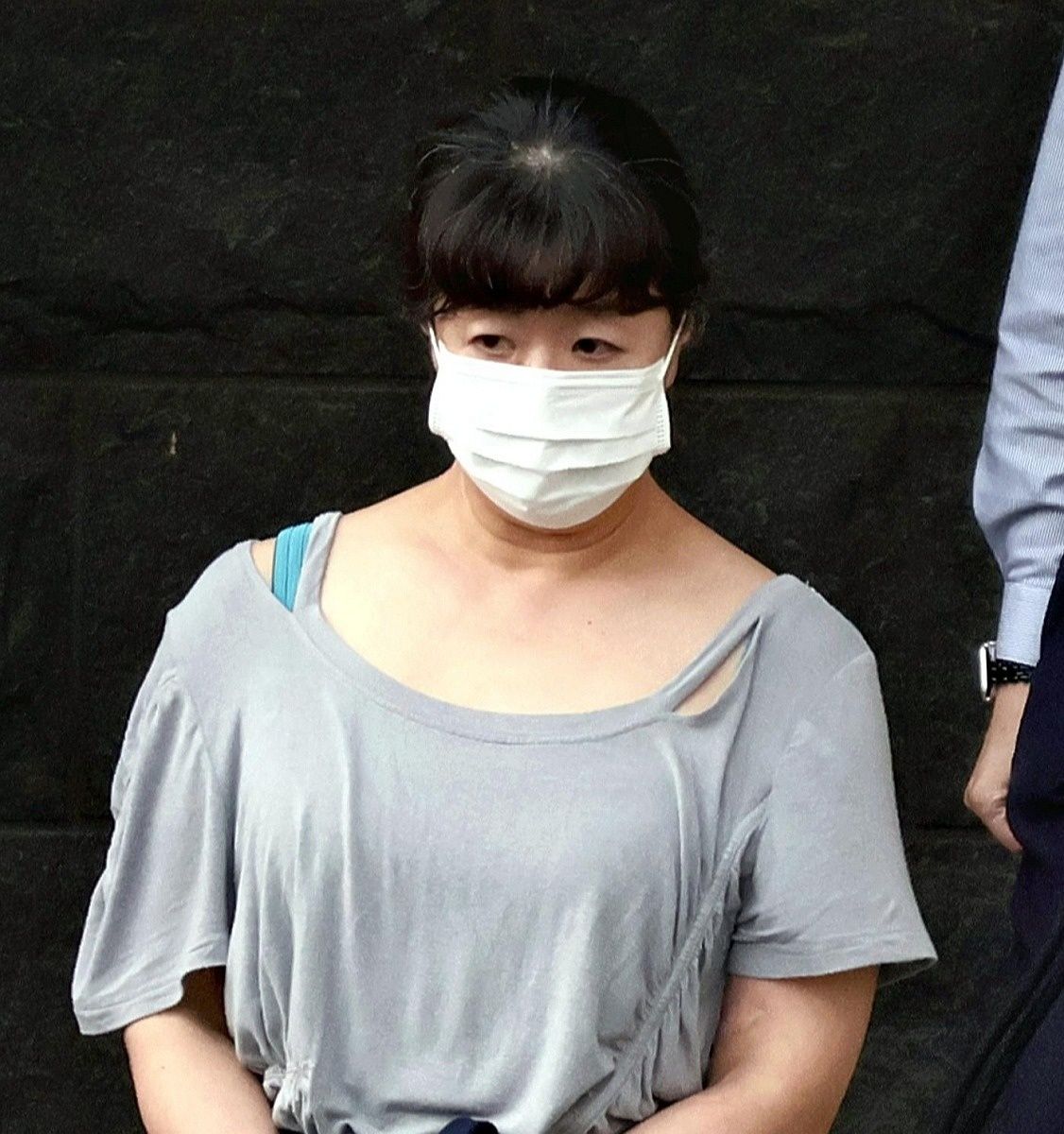
A 51-year-old former nurse in Japan's Chiba Prefecture has been arrested on suspicion of deliberately causing a patient's death through contamination of his intravenous drip line. Miyuki Furukawa, a resident of Kashiwa, is alleged to have inserted faecal matter into the IV extension tube of Eiji Aida, 75, at Kashiwa Tanaka Hospital in the early morning hours of January 30. The arrest, made on Wednesday July 15, marks a dramatic conclusion to an investigation that exposed troubling vulnerabilities in hospital safety protocols and raised disturbing questions about healthcare worker conduct in Japan.
The timeline of events reveals how rapidly Mr Aida's condition deteriorated following the suspected contamination. Hospital records indicate the alleged tampering occurred at approximately 3.55 a.m. on January 30. By the following afternoon, Mr Aida's physical state had sharply worsened, and he was pronounced dead at 10.30 p.m. on January 31. Medical examination determined that multiple organ failure triggered by sepsis caused his death, with bacterial analysis of his bloodstream confirming the presence of pathogens commonly found in human faeces. The clinical presentation left little doubt that contamination of his IV line had directly precipitated the fatal cascade of complications.
At the time of the incident, Furukawa held the position of head nurse during the night shift at the facility. Security camera footage obtained by investigators documented her entering and exiting Mr Aida's hospital room during the critical early morning hours. The visual evidence proved instrumental in establishing her presence at the scene and forming the basis for the criminal investigation. However, Furukawa has firmly denied the allegations, stating categorically that she did not insert faecal matter into the IV tube, despite the circumstantial evidence surrounding her movements and access to the patient.
The discovery of the contamination came through the vigilance of a fellow hospital staff member. On February 1, approximately 24 hours after Mr Aida's death, a colleague noticed that the interior surface of the IV extension tube had turned brown, an obvious sign of foreign material presence. This observant employee immediately reported her concerns to Kashiwa Police, specifically noting the possibility that a substance had been deliberately introduced into the line. This tip proved crucial in steering the investigation toward the intentional contamination theory rather than attributing the death to natural causes.
Investigative sources have uncovered evidence suggesting motive and premeditation on Furukawa's part. Police determined that she had previously engaged in a dispute or argument with Mr Aida, establishing potential grounds for animosity. More incriminating still, authorities discovered that Furukawa had conducted a smartphone search for the phrase "faeces injection — Will [he] die?" The search history pointed toward deliberate planning and apparent curiosity about whether this method would prove fatal, raising serious questions about her state of mind and intentions.
Furukawa's employment trajectory adds another layer to the investigation. She worked at Kashiwa Tanaka Hospital at the time of the incident but resigned from her position at the end of February, shortly after the initial police notification. She subsequently obtained employment as a midwife at a separate hospital facility in Tokyo, a position she reportedly held at the time of her arrest in mid-July. The transition between jobs and the extended gap between the incident date and the arrest suggests a thorough investigative process that required careful assembly of forensic and circumstantial evidence.
Chiba prefectural police continue their investigation into both Furukawa's motive and the precise details of how she allegedly carried out the contamination. Detectives are examining whether the dispute with the patient was the sole source of motivation or whether other factors contributed to her alleged actions. The investigation also seeks to establish the exact method and timing of the contamination, along with whether there were any warning signs or prior concerning incidents involving Furukawa's conduct toward patients.
Aoikai, the healthcare organization responsible for operating Kashiwa Tanaka Hospital, released a statement acknowledging the gravity and unacceptability of the alleged conduct. The organization characterised the suspected act as not merely a violation of professional standards but fundamentally contrary to basic human decency. Hospital leadership committed to full cooperation with law enforcement and pledged efforts to thoroughly investigate the circumstances surrounding the case and implement measures to prevent similar incidents in the future. The statement reflects the profound impact such allegations have on institutional reputation and public confidence in healthcare safety.
This incident carries significant implications for hospital safety standards across Japan and the broader East Asian region. It highlights the critical importance of robust monitoring systems, staff background checks, and ongoing mental health assessments for healthcare workers who have direct access to vulnerable patients. The case also underscores how environmental monitoring—such as regular inspection of IV lines and extension tubes—can serve as a vital safeguard. For Malaysian healthcare institutions and regulatory bodies, the incident serves as a cautionary reminder of the necessity for comprehensive security protocols and psychological screening mechanisms to protect patient safety, even though such deliberate tampering cases remain exceptionally rare in professional healthcare settings.

