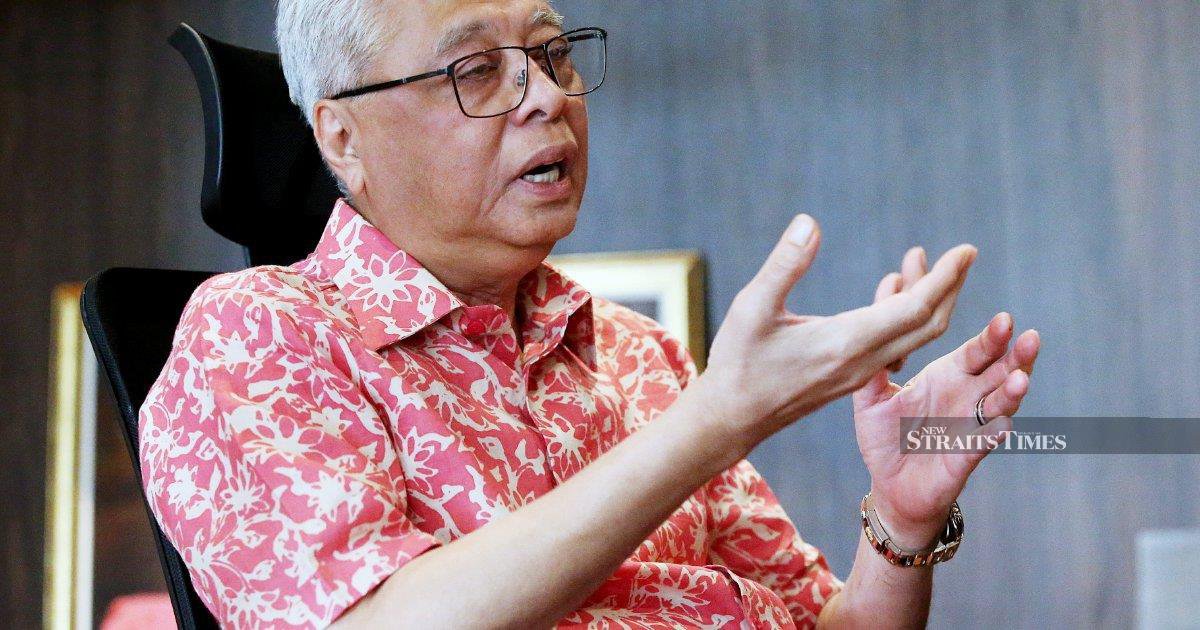
Former Prime Minister Datuk Seri Ismail Sabri Yaakob was admitted to the National Heart Institute (IJN) in Kuala Lumpur on the morning of his scheduled Sessions Court appearance, according to sources close to the political establishment. The timing of the hospitalization, occurring just hours before his court date, has drawn significant attention amid ongoing legal proceedings involving the senior statesman and Umno politician.
The admission to IJN, one of Malaysia's leading cardiac care facilities, raises questions about the former premier's health status and the impact on his legal obligations. Court appearances by high-profile political figures are closely monitored by the public and press, making any disruption to scheduled proceedings a matter of considerable interest to observers tracking the country's complex political landscape.
Ismail Sabri served as Prime Minister from August 2021 to August 2023, a period marked by considerable domestic and economic challenges including inflationary pressures and governance issues. His tenure bridged the transition from the Muhyiddin Yassin administration and preceded the current government under Anwar Ibrahim. Throughout his political career spanning several decades, he has held various ministerial portfolios and maintained influence within Umno's senior ranks, despite factional divisions that have periodically destabilized the party.
The National Heart Institute itself is a state-of-the-art medical facility specializing in cardiovascular and thoracic conditions. IJN's patient roster includes prominent Malaysians and regional figures, reflecting its reputation for advanced cardiac care and surgical interventions. The institute's involvement in treating Ismail Sabri underscores the serious nature of whatever health concerns prompted the admission, given that such hospitalization typically occurs when medical professionals deem inpatient care necessary.
Legal proceedings involving former heads of government are inherently significant within Malaysia's constitutional framework. While various high-profile figures have faced court proceedings in recent years, the combination of health issues and judicial obligations creates a complex situation with potential precedent implications. The court system must balance individual health circumstances with the administration of justice and the principle that no person, regardless of status, is above the law.
For Malaysian political observers, the health status of prominent politicians carries broader implications for party dynamics and succession planning. Ismail Sabri's position within Umno and his influence over factional alignments mean that any extended absence or health concerns naturally prompt speculation about leadership transitions and strategic repositioning among various coalition partners. The current political climate remains fluid, with multiple power centers competing for influence within the ruling coalition.
Regional analysts have noted that Malaysia's political establishment has experienced significant turbulence over the past four years, with four different prime ministers serving between 2020 and 2023 alone. This instability, rooted partly in intra-party conflicts particularly within Umno, has created an environment of constant realignment and negotiation among political actors. Senior figures like Ismail Sabri continue to wield considerable influence in determining coalition configurations and parliamentary majorities, making their availability and focus particularly consequential.
The hospitalization also occurs within a broader context of legal accountability measures affecting multiple former and current political figures. Various cases involving allegations of financial impropriety, abuse of power, and other matters have worked their way through Malaysia's judicial system, with some resulting in convictions while others remain ongoing. This legal reckoning reflects international and domestic pressure for enhanced governance standards and political accountability in Southeast Asia.
From a healthcare perspective, the IJN admission highlights the reality that cardiovascular health challenges affect Malaysians across all demographic and socioeconomic groups, including elderly statesmen. Non-communicable diseases including heart conditions represent an increasing burden on Malaysia's healthcare system, with prevalence rising alongside aging populations and lifestyle-related risk factors throughout the region.
The intersection of Ismail Sabri's court obligations and his hospitalization presents a procedural question regarding judicial continuity and rescheduling protocols. Malaysian courts have established mechanisms for addressing situations where defendants require medical attention, balancing fairness with the imperative to maintain judicial processes. Whether his Sessions Court appearance would be postponed, heard remotely, or addressed through other procedural means would depend on medical documentation and judicial discretion.
Observers of Malaysian politics recognize that health-related absences from public life can significantly alter political momentum and influence. Ismail Sabri's sustained involvement in Umno affairs, despite no longer holding executive office, means that extended illness could create openings for rival factions to consolidate power or shift strategic alliances. The timing of such developments often proves as consequential as the events themselves within Malaysia's intricate political ecosystem, where coalition mathematics determine government formation and legislative outcomes.

