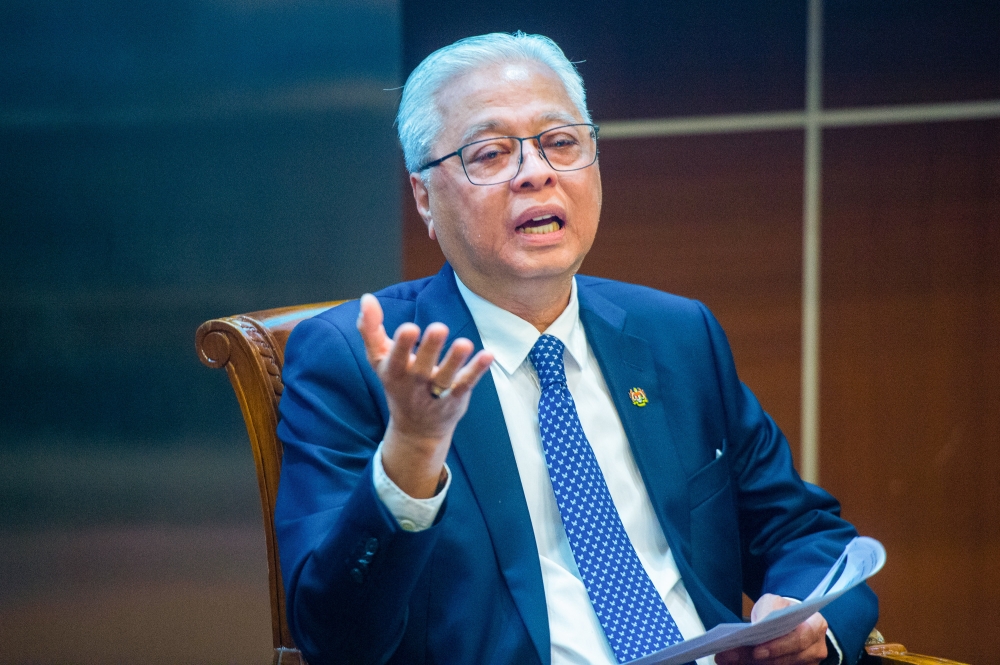
Former Prime Minister Datuk Seri Ismail Sabri Yaakob has recovered successfully from pacemaker implantation surgery performed at the Institut Jantung Negara (IJN) in Kuala Lumpur on August 7. The medical team treating the senior politician reported that he is currently in stable condition as he continues his post-operative care at the facility.
The decision to implant a pacemaker represents a common intervention for individuals experiencing irregular heart rhythms or conduction abnormalities that can impair the heart's efficiency. Such devices are increasingly routine in modern cardiology, designed to regulate heartbeat patterns and prevent potentially serious complications. The fact that medical authorities deemed this procedure necessary indicates that Ismail Sabri had been experiencing cardiac symptoms warranting specialist attention.
The National Heart Institute, as Malaysia's leading cardiovascular treatment centre, routinely handles complex cardiac procedures across a diverse patient population. The successful completion of the implantation suggests that the surgical team executed the operation without major complications, a positive indicator for the former premier's prognosis. Pacemaker procedures typically involve minimal invasiveness, with surgeons creating a small incision to position the device beneath the collarbone before connecting it to the heart via specialized wires.
Ismail Sabri's health situation carries wider significance within Malaysian political circles. The former prime minister, who held office from August 2021 to November 2023, remains an influential figure within UMNO and continues to command respect across various segments of the political establishment. His medical condition, therefore, has natural interest among observers of domestic politics and within his party machinery.
The recovery and rehabilitation phase following pacemaker implantation typically requires careful monitoring and a measured return to normal activities. Medical protocols generally recommend several weeks of restricted physical exertion before patients can resume their regular routines. For a figure of Ismail Sabri's profile, this may necessitate adjusting his public and political commitments during the recuperation period.
Heart conditions among senior political figures are not uncommon globally, particularly given the elevated stress levels associated with high office and demanding schedules. The Malaysian public has witnessed several instances where senior leaders have required significant medical interventions. The transparent reporting of such health matters, as evidenced by the IJN's public statement, reflects evolving standards of accountability and public information sharing regarding the health of prominent national figures.
The successful outcome of Ismail Sabri's procedure underscores the advanced medical capabilities available within Malaysia's healthcare system, particularly in specialized cardiac care. The IJN's track record and technical expertise have established it as a regional centre of excellence, attracting patients from throughout Southeast Asia and beyond. This incident reinforces confidence in Malaysian institutions' capacity to deliver world-class cardiovascular interventions.
Family support structures play a crucial role in post-operative recovery, particularly for older patients undergoing cardiac procedures. The positive early reports suggest that Ismail Sabri's medical team anticipates a straightforward recovery trajectory, though individual healing timelines can vary. Medical staff will continue monitoring his vital signs and cardiac function to ensure the pacemaker functions optimally and that no complications emerge.
The implications for Malaysian politics remain measured at this stage. While Ismail Sabri's precise timeline for returning to full public engagement remains unclear, his stable status suggests no immediate cause for concern regarding his longer-term political participation. UMNO and the wider political community will likely await further medical updates before assessing any adjustments to his professional schedule or public responsibilities.
Beyond the immediate personal health dimension, this incident highlights the importance of accessible, high-quality cardiac care infrastructure across Malaysia. Early detection and appropriate intervention in cardiovascular conditions can dramatically alter health trajectories and quality of life. The availability of sophisticated treatment options at institutions like IJN has demonstrably improved health outcomes for countless Malaysians and regional patients requiring specialized heart care.
Moving forward, Ismail Sabri's recovery will be monitored by his medical team at the IJN, with periodic updates likely as he progresses through rehabilitation. The pacemaker implantation, while a significant medical event, represents a well-established therapeutic intervention with generally positive long-term outcomes when appropriate post-operative care is maintained. His demonstrated stability following the procedure is an encouraging signal for his broader health trajectory.

