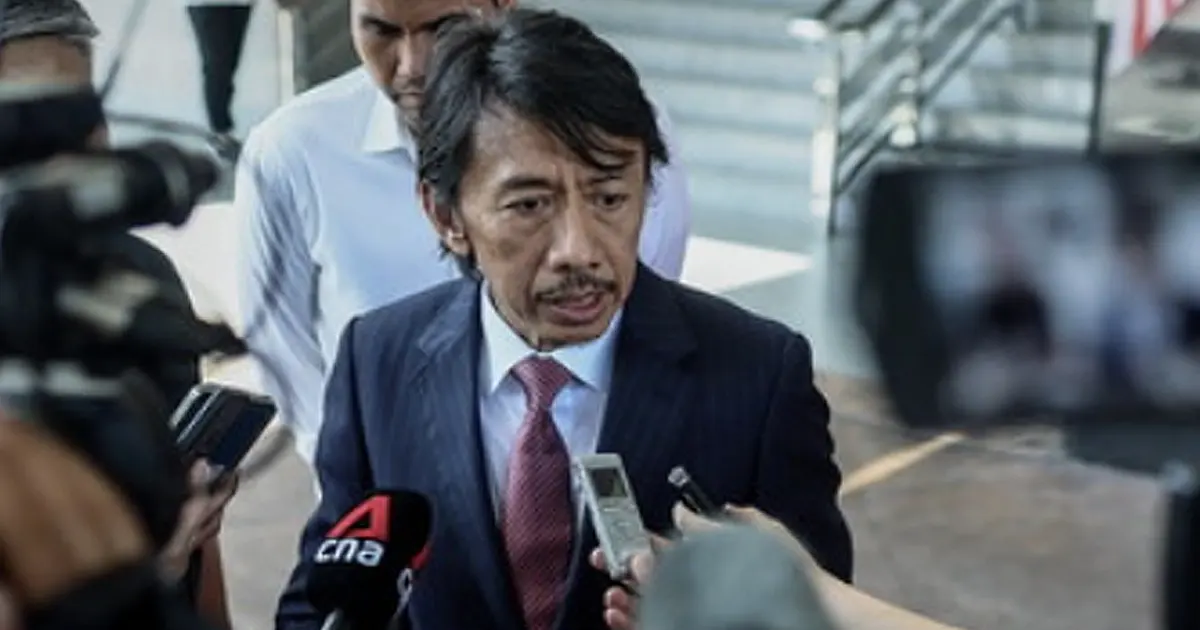
Former Prime Minister Ismail Sabri Yaakob has undergone surgical implantation of a pacemaker to address an abnormal heart rhythm condition. The minimally invasive procedure was completed at the National Heart Institute, one of Malaysia's leading cardiac facilities, and medical staff have advised the former leader to observe a period of rest during his recovery phase.
A pacemaker implant represents a significant but routine intervention for patients experiencing cardiac arrhythmias—irregular heartbeat patterns that can range from benign to potentially life-threatening. The device works by monitoring the heart's electrical activity and delivering carefully calibrated electrical impulses when necessary to maintain a steady, appropriate rhythm. Modern pacemakers are sophisticated medical instruments incorporating advanced monitoring systems and extended battery life, often functioning reliably for a decade or more before requiring replacement.
The decision to implant a pacemaker follows a clinical assessment determining that pharmaceutical management or other conservative approaches would be insufficient to address Ismail Sabri's specific cardiac condition. Such procedures are increasingly common in Malaysia and across Southeast Asia as ageing populations experience higher rates of cardiac dysfunction and as healthcare infrastructure expands access to advanced interventional cardiology services.
The National Heart Institute, located in Kuala Lumpur, stands as a centre of excellence for cardiac care in the region. The facility routinely performs thousands of procedures annually, including pacemaker implantations, and maintains high standards of surgical technique and post-operative care. Patients undergoing pacemaker placement typically spend only a night or two in hospital before discharge, though activity restrictions and gradual rehabilitation follow in the weeks thereafter.
For political figures and public personalities, health developments inevitably attract media and public attention in Malaysia, where political engagement remains intensely observed. Ismail Sabri's medical situation has naturally become a matter of public interest, though the focus remains appropriately centred on his recovery and wellbeing. His previous tenure as Prime Minister, which concluded in 2022, positioned him among Malaysia's most high-profile political figures, and public concern for his health reflects that prominence.
The recovery protocol following pacemaker implantation typically involves activity restrictions for several weeks to allow the surgical site to heal completely and permit the device to integrate properly with surrounding cardiac tissue. Patients are usually advised to avoid strenuous exercise, heavy lifting, and repetitive arm movements on the implant side during the initial healing period. Medical follow-up appointments are scheduled to monitor device function and overall cardiac status.
The broader context of pacemaker utilisation in Malaysia reflects the country's growing burden of non-communicable diseases, particularly cardiovascular conditions. Heart rhythm disorders affect millions regionally and globally, and technological advancement has made treatment increasingly accessible. Malaysia's healthcare system, both public and private, now routinely offers pacemaker therapy, positioning the nation competitively within regional healthcare markets.
Ismail Sabri's situation underscores a reality affecting many senior political leaders and public figures: age-related health conditions can develop regardless of professional status or public profile. The former Prime Minister's transparency regarding his medical treatment aligns with contemporary expectations for public accountability while respecting appropriate privacy boundaries regarding personal health matters.
The recommendation for rest represents standard medical guidance aimed at optimising recovery outcomes. Gradual resumption of normal activities typically occurs over several weeks, guided by the patient's cardiologist and based on individual tolerance and healing progress. Most pacemaker recipients return to substantially normal lifestyles within several weeks to months, with certain electrical devices and security equipment requiring specific precautions.
For Malaysian healthcare observers, Ismail Sabri's procedure demonstrates the availability of world-class cardiac interventions within the country, reducing the necessity for medical tourism to regional or international centres for routine pacemaker implantations. This accessibility reflects decades of investment in medical education, healthcare infrastructure, and institutional development within Malaysia's private and public health sectors.
The incident may also prompt broader public health conversations about cardiac screening, heart disease awareness, and the importance of regular medical check-ups among Malaysia's ageing population. Preventive cardiology remains underdeveloped in many Southeast Asian contexts, and high-profile medical cases occasionally serve as catalysts for increased public health consciousness and health-seeking behaviour.

