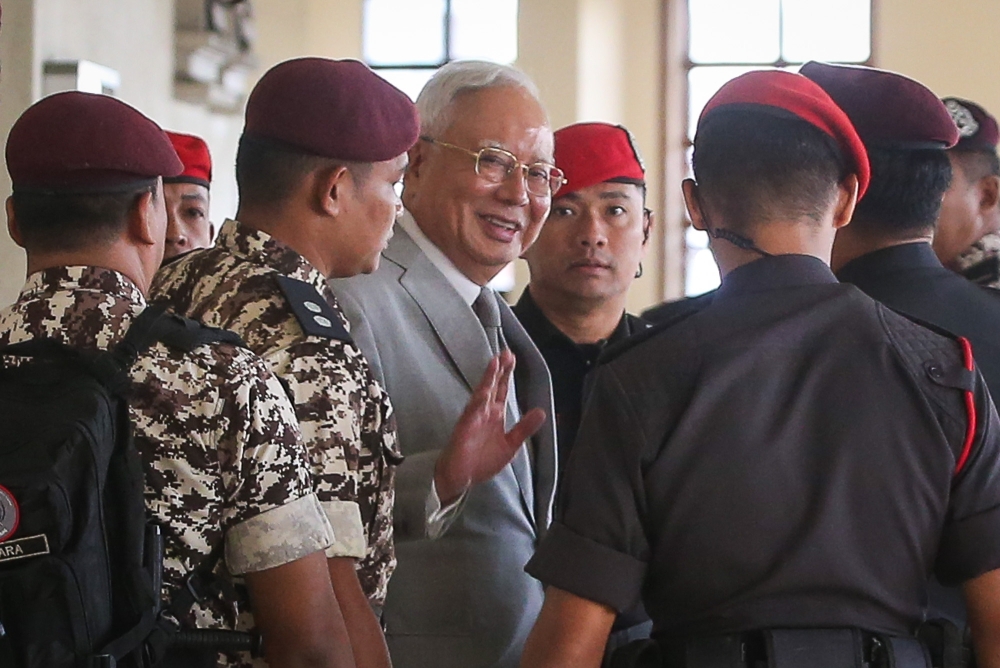
Datuk Seri Najib Razak, Malaysia's former prime minister, will be admitted to Serdang Hospital next week for a planned heart procedure. The announcement signals an important health update concerning one of the nation's most politically prominent figures, whose tenure and subsequent legal challenges have dominated Malaysian public discourse for nearly a decade.
The specific nature and timing of the cardiac intervention at the federal teaching hospital in Selangor reflects medical assessments made by his healthcare team. Serdang Hospital, recognised for its cardiovascular services, provides comprehensive facilities for both diagnostic and therapeutic cardiac procedures across its specialised departments. The scheduling of the operation represents a planned intervention rather than an emergency admission, allowing for appropriate pre-operative preparation and coordination.
Najib's health situation comes at a particular juncture in his political and legal journey. The former premier, who led the country from 2009 to 2018, has faced extensive court proceedings related to financial impropriety allegations. These legal battles have occupied considerable media attention and political space throughout his post-premiership years, with various trials and appeals continuing through Malaysian courts. His current health concerns add another dimension to public awareness of his circumstances.
The choice of Serdang Hospital underscores confidence in Malaysia's public healthcare infrastructure, particularly its cardiac care capabilities. The institution has established expertise in managing complex cardiovascular cases and serves as a training centre for cardiology specialists nationwide. Such procedures performed within the public system also carry significance given ongoing discussions about healthcare accessibility and quality in Malaysia's medical landscape.
Health developments involving prominent political figures often attract broader public attention beyond the individual concerned. Najib's stature in Malaysian politics, controversial as it remains, means that announcements regarding his wellbeing resonate across multiple constituencies and demographic groups. Some view him as a victim of political persecution, whilst others regard his legal difficulties as warranted accountability. This polarisation extends naturally to responses toward his personal circumstances.
The timing of the procedure's announcement illustrates how medical matters intersect with public life in Malaysia's political environment. Such disclosures, though primarily matters of personal health, inevitably become subject to public commentary and speculation. The medical profession generally maintains patient confidentiality, though high-profile individuals frequently face different expectations regarding transparency about their health status.
From a healthcare system perspective, the case exemplifies how Malaysia's public hospitals handle procedures for VIP patients whilst maintaining service standards for the broader population. Serdang Hospital's commitment to serving diverse patient populations—from routine cases to complex interventions—continues regardless of the prominence of individual patients. The administrative and clinical coordination required for managing a former head of government's admission represents routine operational capacity for major teaching hospitals.
Najib's legal proceedings, meanwhile, remain separate from health considerations. His ongoing court matters span multiple charges related to alleged financial improprieties during his premiership, including the high-profile 1Malaysia Development Berhad scandal. The dual reality of simultaneous legal challenges and health concerns reflects the complex circumstances surrounding his post-retirement life.
The broader political implications of his health status warrant consideration. Whilst not directly affecting current governance, developments concerning former leaders retain significance within Malaysia's political discourse. His continued prominence in public consciousness, whether through legal proceedings or health announcements, reflects how recent political history remains contested and actively relevant rather than settled historical record.
Najib's admission next week will likely generate sustained media coverage, reflecting both genuine public interest in his wellbeing and the enduring controversy surrounding his political legacy. Malaysian society's engagement with his circumstances—whether sympathetic, critical, or indifferent—continues to reveal underlying fault lines within the nation's political culture and public opinion. The scheduled procedure represents a human medical event occurring within the context of an exceptional political narrative that continues to shape Malaysian discourse.

