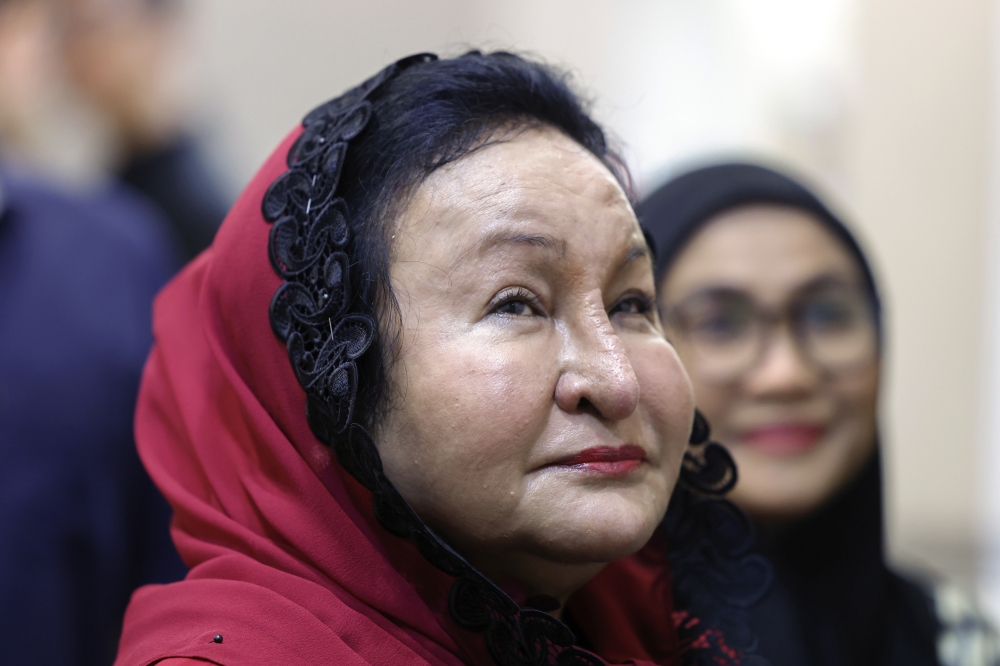
Former Prime Minister Datuk Seri Najib Razak will undergo a scheduled medical procedure aimed at removing plaque buildup adjacent to a blood vessel, his wife Datin Seri Rosmah Mansor revealed on Friday in the nation's capital. The announcement, made without specifying the exact date of the intervention, comes as the former leader continues managing his health matters whilst navigating ongoing legal proceedings.
Rosmah's disclosure provides the public with an update on Najib's medical status, a matter that has periodically attracted attention given his prominence in Malaysia's political landscape over several decades. The procedure represents a routine intervention commonly performed to address arterial narrowing, a condition that can develop over time and potentially restrict blood flow if left unmanaged. Such preventive medical steps are frequently recommended by healthcare professionals when diagnostic imaging reveals significant plaque deposits.
The timing of this announcement coincides with a period when Najib remains a central figure in Malaysia's political discourse, particularly following his conviction in corruption-related cases. His continued presence in public matters, despite the legal challenges he faces, underscores the enduring significance of his political career and the sustained public interest in his affairs. The disclosure about his health, delivered through his spouse rather than directly, reflects common practice among prominent figures regarding personal medical information.
Across Southeast Asia, such medical procedures have become increasingly routine due to advancing healthcare technology and greater awareness of cardiovascular health among ageing populations. Malaysia's healthcare system, both in its public and private sectors, has developed considerable expertise in vascular interventions, making such procedures widely accessible to citizens across different economic strata. The procedure Najib is scheduled to undergo would likely be performed at one of Malaysia's leading medical institutions, though specific details about the location and timing remain undisclosed.
The announcement carries broader implications for Malaysian political observers tracking the activities and circumstances of key figures from the previous administration. Najib's ongoing health management, his legal battles, and his continued engagement with political matters collectively form a complex narrative about institutional accountability, personal resilience, and the trajectory of Malaysian governance. The interplay between his medical needs and his legal obligations presents an unusual confluence of personal and public concerns.
From a healthcare perspective, the procedure represents part of the wider management of cardiovascular disease, which remains a leading cause of mortality across Southeast Asia and Malaysia. Early intervention and preventive measures, as suggested by Rosmah's announcement, reflect modern medical best practices aimed at reducing stroke and heart attack risks. The normalisation of discussing such procedures publicly also contributes to broader health awareness within the population.
Rosmah's statement serves as a reminder that even figures at the highest levels of government and society are subject to the same health vulnerabilities as ordinary citizens. The former first lady's willingness to communicate about her husband's medical situation to the media demonstrates how political families navigate the balance between privacy and public disclosure, particularly when health matters intersect with ongoing public scrutiny.
The procedure's scheduling also coincides with Najib's continued involvement in various legal and administrative matters, raising questions about how his medical appointments may intersect with his court obligations and other commitments. The management of his health alongside his legal responsibilities presents logistical and practical considerations that have likely required careful coordination with his legal team and medical advisors.
For Malaysians following political developments, this announcement provides a contemporary snapshot of how former leaders of the nation manage their post-office lives, including the inevitable health challenges that come with age. The disclosure also reflects the changing nature of Malaysian politics, where the personal circumstances of prominent figures remain subjects of public interest and media attention, even years after they have left formal office.
The upcoming procedure does not appear to indicate any emergency medical situation, as suggested by the routine scheduling mentioned in Rosmah's statement. Rather, it represents a planned intervention designed to address a specific cardiovascular concern identified through medical evaluation. The distinction between emergency and elective procedures carries significance both medically and in terms of public perception regarding Najib's overall health status.
Moving forward, this announcement will likely be monitored by observers interested in how Najib's health may affect his continued participation in political activities and legal proceedings. The intersection of personal medical needs with public responsibilities remains a complex matter in Malaysian governance and politics, one that becomes increasingly relevant as former leaders and their contemporaries advance in age.

