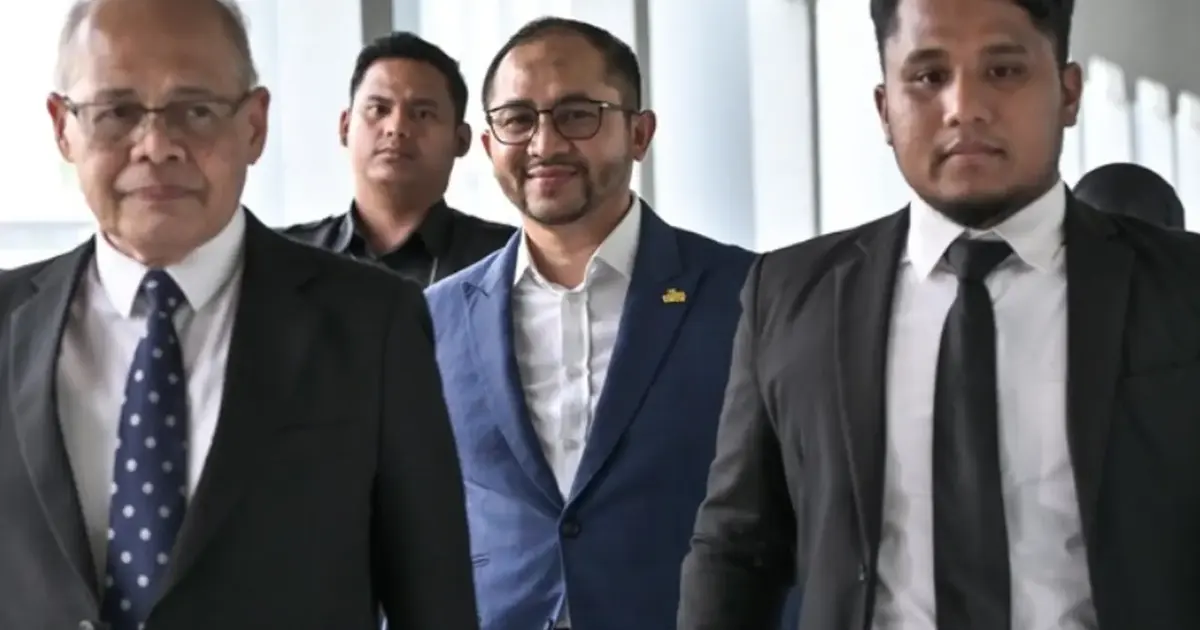
A managing director has told a Malaysian court that he faced intense pressure from a former political secretary to hand over roughly half of a substantial consultancy fee earned through a police procurement deal. Khairi Mat Jahya's account centres on alleged demands made by Sayed Amir Muzzakkir Al Sayed Mohamad, who previously served as political secretary to a prominent political figure, following the securing of what was identified as a RM19 million fee contract.
The testimony adds another chapter to investigations into how consultancy arrangements connected to government tenders have been structured and who benefits from them. Such arrangements have periodically drawn scrutiny from anti-corruption authorities and parliamentary oversight committees in Malaysia, reflecting broader concerns about the interface between political actors and corporate transactions.
According to the account presented in court, the alleged pressure came after Khairi's company successfully obtained the consultancy engagement tied to a police department procurement. The specifics of what services were to be provided under this arrangement were not detailed in initial reports, though police tender processes typically involve specialised advisory work on procurement procedures, technical specifications, or organisational restructuring.
The claim that a political aide would demand a percentage cut of a commercial contract speaks to persistent questions about the boundaries between political roles and business interests in Malaysia. While political secretaries perform legitimate advisory and administrative functions within government, the involvement of such figures in seeking shares of corporate fees raises governance questions about potential conflicts of interest and the use of political access or influence to secure financial benefits.
Sayed Amir Muzzakkir's position as political secretary would have given him proximity to decision-making processes within government agencies and potentially insight into tender opportunities. The allegation that he subsequently leveraged this position to demand a portion of fees generated by a contract suggests a form of what observers might term "rent-seeking" behaviour—extracting economic value based on official status rather than direct service provision.
From a wider perspective, such allegations are relevant to Malaysia's ongoing efforts to strengthen public sector integrity and corporate governance standards. The country has undertaken various anti-corruption initiatives and implemented codes of conduct for government officials, yet cases involving alleged improper benefit-seeking by political functionaries continue to surface. Each such case tests the effectiveness of existing oversight mechanisms and the willingness of institutions to pursue allegations through the courts.
The RM19 million quantum mentioned in the case is substantial enough to warrant serious examination. Consultancy fees of this magnitude typically require high-level approval within government agencies and suggest contracts of significant complexity or scope. The fact that a portion of such sums allegedly came under demand from a political actor underscores how large government contracts can become entangled with political networks and patronage dynamics.
For Malaysian businesses and consultancies operating in the government services sector, such allegations reinforce the risks of becoming caught between political demands and commercial obligations. Companies may face pressure to allocate portions of legitimate earnings to political associates as a condition of securing or maintaining contracts. This dynamic can distort market competition, as firms willing to share fees with political figures may gain unfair advantages over those unwilling to do so.
The case also resonates regionally. Southeast Asian economies grapple with similar challenges around the politicisation of government procurement and the informal extraction of benefits by connected individuals. How Malaysian courts and enforcement agencies handle such cases can set precedents that influence corporate behaviour and governance standards across the region.
Court proceedings in cases involving political actors typically attract media attention and public scrutiny in Malaysia, reflecting broader awareness of governance issues. The detailed testimony by Khairi Mat Jahya during trial provides a direct account of how pressure is allegedly applied and negotiated in such situations, offering insights into the practical mechanics of disputed arrangements.
The involvement of the police force as the procuring agency adds another dimension. Law enforcement agencies themselves are frequently at the centre of corruption allegations globally, and Malaysian police reforms have included efforts to improve procurement transparency and reduce opportunities for improper benefit arrangements. Allegations concerning consultancy fees in police tenders suggest these reform efforts remain a work in progress.
As the case proceeds through the courts, the testimony and evidence presented will contribute to the formal legal record on how such arrangements operate in practice. Outcomes in high-profile cases involving political figures and alleged improper financial dealings can influence both enforcement priorities and the behaviour of political and business actors in subsequent situations.
The broader significance of Khairi's testimony extends beyond the immediate parties involved. It highlights the persistent challenge of maintaining professional boundaries between political roles and personal financial gain, a recurring theme in Malaysian governance discourse and one that continues to demand judicial and administrative attention.

