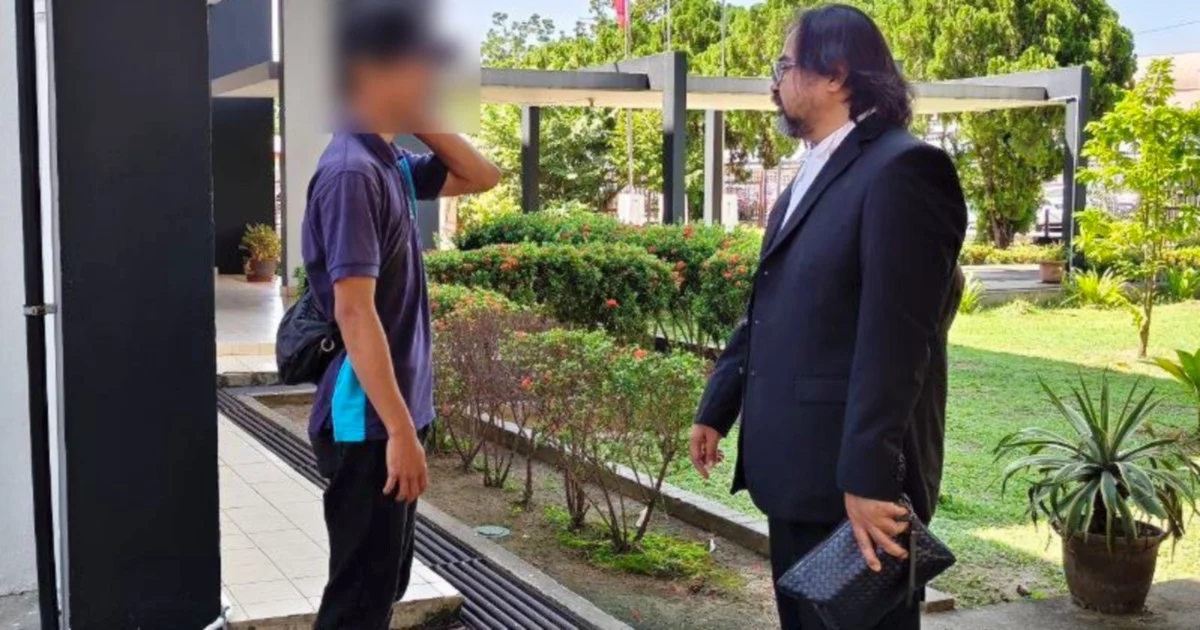
A former secondary school student has been cleared of sexual assault charges by the Magistrate's Court in Tawau, concluding a legal proceeding that originated from an alleged incident involving a fellow student nearly two years prior. The not guilty verdict and subsequent discharge mean the accused will face no further criminal liability for the alleged gang rape of a 15-year-old girl.
The case, which proceeded through the Tawau courts, involved allegations of a serious sexual crime against a minor dating back approximately two years. The duration between the alleged incident and the court's final determination underscores the protracted nature of sexual assault investigations and prosecution in Malaysia's criminal justice system. Such delays are not uncommon in cases involving juveniles, where additional procedural safeguards and investigations are typically required.
Acquittal and discharge verdicts carry significant weight in Malaysia's legal framework. An acquittal effectively concludes the matter, preventing the prosecution from appealing the decision, while also shielding the defendant from the possibility of retrial on identical charges. This finality provides legal certainty to the accused, though it also represents the end of the complainant's criminal justice recourse through that particular proceeding.
The outcome reflects broader challenges prosecutors face when bringing sexual assault cases to trial. Evidence preservation becomes problematic over extended periods, and testimony credibility can be questioned when recounting events from previous years. Witness availability and memory degradation further complicate proceedings, particularly when those involved were minors at the time of the alleged offense. Courts must carefully weigh corroborating evidence, medical examinations, and witness statements to establish guilt beyond reasonable doubt—a demanding standard that can result in acquittals even when abuse may have occurred.
Cases involving gang rape allegations require the prosecution to establish not only that sexual assault took place, but also that multiple perpetrators participated with shared culpability. This additional burden of proof makes such prosecutions particularly challenging. Each alleged participant must be linked definitively to the offense, and the collective nature of the crime must be demonstrated convincingly. Legal arguments regarding individual versus collective responsibility can introduce reasonable doubt that courts must consider.
For Malaysia's sexual assault victims, acquittals and discharges represent emotional and legal defeats, though they also reflect the judiciary's responsibility to protect defendants from unjust conviction. The tension between victim advocacy and due process rights remains a contentious issue within Malaysia's criminal justice framework. Advocacy groups have increasingly highlighted the disproportionately low conviction rates in sexual assault cases, attributing this partly to evidentiary challenges, investigative gaps, and cultural factors that may discourage victims from coming forward.
The Tawau court's decision comes at a time when Malaysia has been enhancing its legislative framework surrounding child sexual abuse. Recent amendments to laws governing juvenile offenders and strengthened provisions protecting child witnesses reflect growing awareness of these critical cases. However, implementation gaps between progressive legislation and practical courtroom realities continue to hinder successful prosecutions of sexual violence against minors.
In the Southeast Asian context, Malaysia's experience mirrors challenges faced across the region. Countries including Thailand, the Philippines, and Indonesia similarly grapple with conviction rates that fall short of public expectations, particularly in sexual assault cases involving multiple perpetrators. Cross-border comparison of trial outcomes and investigative methodologies has prompted regional discussions about harmonizing best practices and strengthening victim support mechanisms.
The discharge decision does not prevent the complainant from pursuing alternative legal remedies through civil action, a pathway some Malaysian victims have pursued when criminal prosecution proves unsuccessful. Civil suits operate under a lower burden of proof—balance of probabilities rather than beyond reasonable doubt—potentially offering an alternative avenue for victims seeking legal acknowledgment and compensation. However, civil proceedings require financial resources and do not carry the moral weight that criminal conviction provides.
Further examination of the investigative process in such cases may reveal systemic improvements needed within Malaysia's law enforcement and prosecution apparatus. The Tawau case will likely contribute to ongoing discussions within legal circles regarding investigation techniques, evidence collection standards, and the training of officers handling sensitive cases involving juvenile victims and accused perpetrators.
This acquittal also raises questions about victim support services in Sabah. Access to counseling, medical care, and legal assistance for sexual assault survivors—particularly minors—remains inconsistently distributed across Malaysian states. Rural and urban disparities in victim support infrastructure can affect both the quality of initial reporting and the strength of evidence eventually presented in court. Organizations working in victim advocacy have increasingly stressed the need for trauma-informed approaches to investigation and prosecution that better serve vulnerable complainants.

