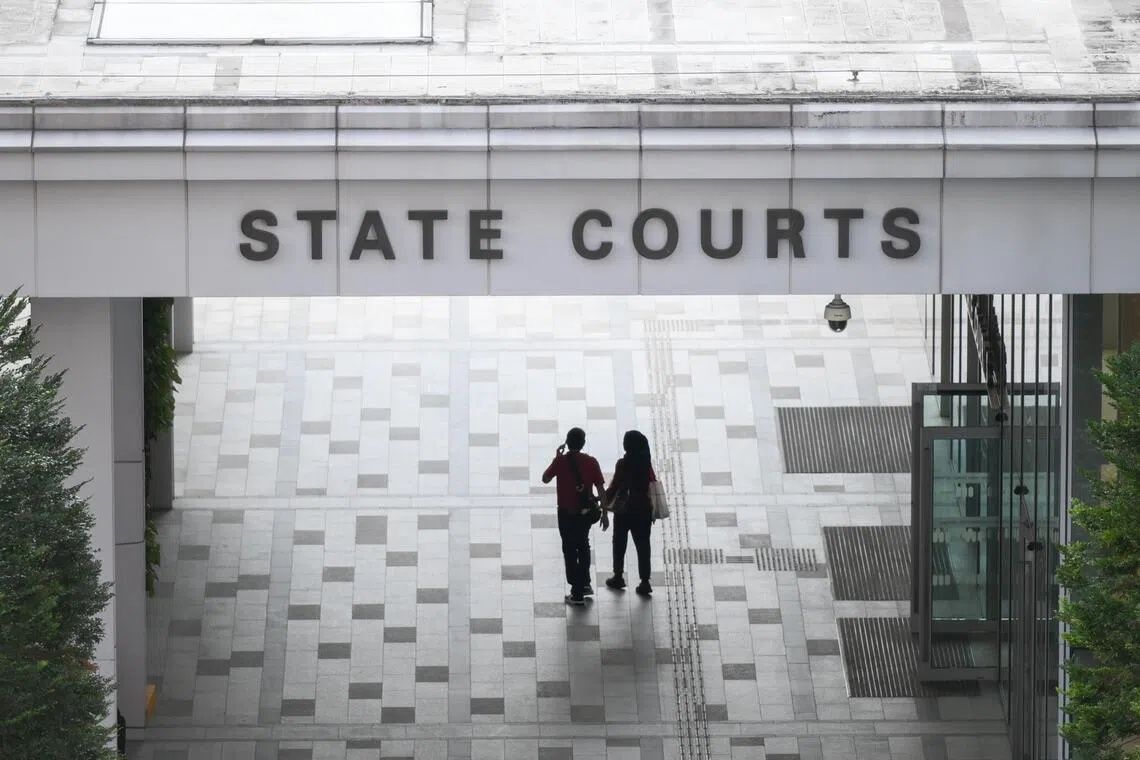
A 65-year-old former bank branch manager in Singapore is set to face criminal charges on Wednesday, July 1, over allegations that she systematically stole almost S$1.8 million from her employer's vault during a 16-month period. According to police statements released Tuesday, the woman allegedly misappropriated S$1,729,000 while serving in a senior position of trust at the financial institution, deploying the stolen funds to settle personal loans and finance an apparent gambling habit.
The scale of the alleged fraud suggests a carefully orchestrated scheme to avoid immediate detection. Between May 2021 and August 29, 2022, the suspect repeatedly accessed the bank's vault and removed cash, subsequently concealing her actions through systematic document manipulation. Police investigations revealed that she falsified the bank's cash book records on no fewer than 206 separate occasions, a frequency that points to premeditated concealment rather than isolated lapses in judgment.
What distinguishes this case from typical embezzlement is the involvement of a second accomplice and the clear evidence of money-laundering activity. Investigators uncovered that the suspect transferred the majority of the stolen funds to a 36-year-old woman, effectively outsourcing the laundering process through gambling channels. This arrangement may have been designed to create distance between the theft and its origins, using the accomplice's accounts and gambling activities as a buffer against traceability.
The second woman's gambling activities were extensive and systematic, suggesting either a significant personal addiction or deliberate involvement in the money-laundering scheme. Between December 2021 and September 2022, she cashed in S$1,521,509 at licensed casinos throughout Singapore, while simultaneously transferring S$790,106 to various third-party bank accounts explicitly for remote gambling operations. The specificity of these figures indicates that investigators have access to detailed banking and casino records, establishing a clear audit trail of how the stolen funds moved through Singapore's financial and gaming systems.
The former bank manager herself cashed in S$42,405 at a local casino, a relatively modest sum compared to her accomplice's activities. This disparity raises questions about whether the primary suspect may have faced restrictions on her own gaming access—perhaps due to self-exclusion programmes or casino bans—prompting her to work through another individual as an intermediary. The pattern suggests a degree of sophistication in circumventing anti-money-laundering safeguards.
The formal charges being laid against the former manager represent multiple layers of culpability. She faces two amalgamated counts of criminal breach of trust by an employee, reflecting the gravity of her position and the betrayal of institutional confidence. Additionally, two amalgamated counts address the falsification of accounting records, the systematic nature of which demonstrates intent and planning. Three further amalgamated counts concern the transfer of benefits derived from criminal conduct, while a single amalgamated count addresses the direct use of such benefits. This multi-faceted charge structure allows prosecutors to address different aspects of the alleged scheme and significantly increases potential sentencing.
If convicted, the former bank manager faces potential imprisonment of up to 15 years and fines reaching S$500,000, or both penalties simultaneously. These substantial potential sentences reflect not merely the quantum of money involved but also the violation of fiduciary duty inherent in her role. Her position as branch manager placed her in a uniquely trusted capacity, responsible for vault security and financial integrity—a breach of which strikes at the heart of banking sector credibility.
The 36-year-old accomplice faces separate but related charges: three amalgamated counts for using benefits of criminal conduct and one amalgamated count specifically for illegal remote gambling. Her maximum potential sentence is ten years imprisonment and S$500,000 in fines. The distinction in sentencing reflects that while she participated in money-laundering, she did not occupy a position of trust within the financial institution itself, thus attracting less severe charges despite her significant participation in the overall scheme.
Singapore's authorities have used this case to reaffirm their unequivocal stance against criminal breach of trust offences, particularly those perpetrated by individuals holding positions of authority and responsibility. Police statements emphasised that such misconduct fundamentally undermines corporate governance frameworks and erodes public confidence in the integrity of the nation's financial system. This messaging is directed not only at potential offenders but also at the broader financial services industry, signalling heightened scrutiny and swift enforcement.
For Malaysian and regional observers, the case underscores the sophisticated investigations now routinely undertaken across Southeast Asia's financial hubs. The police's capacity to track detailed gaming transactions, identify patterns of falsification, and establish connections between disparate financial accounts demonstrates the maturity of regulatory infrastructure in developed financial centres. It also highlights vulnerabilities within gaming systems—both licensed and unlicensed—that can be exploited for money-laundering purposes.
The case carries particular relevance for Malaysia's banking sector, where similar vulnerabilities may exist. The incident illustrates how insider threats from trusted employees represent one of the most challenging risks to institutional integrity. Her access to vault systems, authorisation protocols, and record-keeping procedures created a near-perfect storm of opportunity. Malaysian financial institutions should view this Singapore prosecution as a cautionary precedent, reinforcing the importance of robust internal controls, segregation of duties, and continuous monitoring even—or especially—of long-serving senior staff.
Furthermore, the involvement of remote gambling platforms in the laundering process has implications for regulatory frameworks across Southeast Asia. As digital gambling platforms proliferate, their susceptibility to being integrated into money-laundering schemes becomes more pronounced. The cross-border nature of many online gambling operations complicates enforcement, requiring greater cooperation between nations' financial regulators and law enforcement agencies. Singapore's apparent success in tracing transactions through these platforms may provide a model for other regional authorities seeking to tighten controls.

