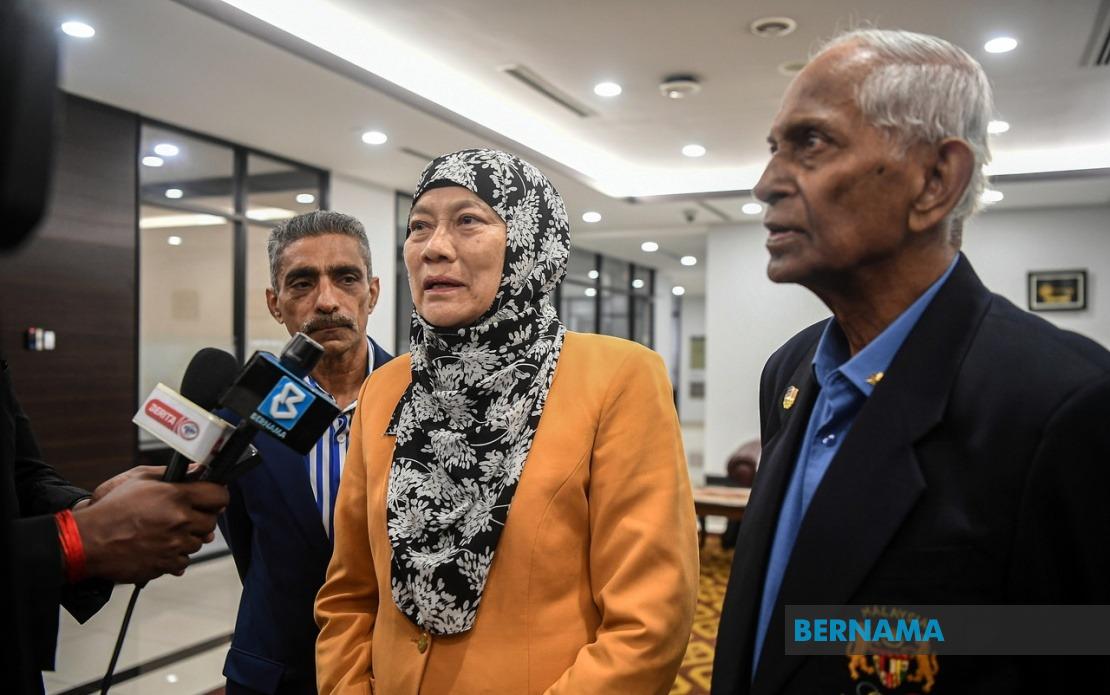
Malaysia Athletics faces mounting pressure to overhaul its governance structure, with former Sports Commissioner Datuk Zaiton Othman raising the alarm over potential consequences of non-compliance with international standards. Speaking to reporters at Parliament on June 23, Zaiton cautioned that failure to align the national body's constitution and operations with World Athletics regulations could trigger serious sanctions, including suspension or cancellation of registration by the global governing body.
The implications of such action extend far beyond administrative matters. Should Malaysia Athletics face suspension from World Athletics, the nation would be unable to organise athletics events as part of the 2027 SEA Games hosting programme, and Malaysian athletes would be barred from competing in international competitions sanctioned by the world body. This dual threat strikes at the heart of Malaysia's sporting ambitions during a period when the country is preparing to serve as SEA Games host.
Zaiton, a decorated former heptathlon competitor known as the 'Iron Woman', emphasised the particular significance of athletics in regional competition. Track and field contributed 47 gold medals at the most recent SEA Games, making it one of the medal-rich sports alongside swimming and shooting. The prospect of Malaysia being unable to field a team or organise events in this category during the 2027 Games represents a substantial diplomatic and sporting setback. The visibility and prestige associated with signature athletics events—notably the men's and women's 100 metres and 4x100 metres relay races—make the oversight particularly consequential.
The governance concerns were formally raised during a meeting between representatives of Reformation in Sports and Excellence (RISE) and Youth and Sports Minister Dr Mohammed Taufiq Johari at Parliament. The delegation included Olympian Datuk Karu Selvaratnam and former National Athletes Welfare Foundation chairman Datuk Noorul Ariffin Abdul Majeed, underscoring the breadth of stakeholder concern. These figures represent decades of athletic experience and maintain strong ties to the sporting community, lending considerable credibility to their intervention.
The underlying issue stems from constitutional misalignment between Malaysia Athletics and its international counterpart. In May, MA president Karim Ibrahim stepped back from the position temporarily, creating space for constitutional amendments to be finalised ahead of the scheduled Annual General Meeting. This recalibration is intended to harmonise the national federation's framework with World Athletics requirements, a technical but essential step for maintaining good standing internationally.
Karim's leadership has been complicated by a disciplinary history with World Athletics. He faced suspension by the global body in 2018, a penalty subsequently upheld by the Court of Arbitration for Sport (CAS). Despite this adverse ruling, he retained eligibility to serve on the Asian Athletics Federation Executive Council during the 2019-2023 cycle. The complexities surrounding his presidency highlight the intricate web of international sports governance and its intersection with domestic administration.
Zaiton stressed that the government, while constrained in directly managing sports associations' internal affairs, retains regulatory leverage through existing legislation. The Sports Development Act 1997 provides the Youth and Sports Ministry and the Sports Commissioner with authority to enforce compliance and discipline wayward bodies. This framework creates accountability mechanisms without crossing into inappropriate political interference, a balance essential for maintaining the integrity of sports governance in Malaysia.
The former Sports Commissioner articulated a concern shared among veteran athletes and Olympians: that administrative dysfunction could degrade the performance of Malaysia's representatives on the international stage. Governance instability creates uncertainty, diverts attention from training and preparation, and may deter sponsors or disrupt support systems. For athletes who dedicate years to reaching competitive peak, such organisational turbulence represents an unwelcome distraction during critical development windows.
The timing of this intervention carries weight given Malaysia's immediate sporting calendar. With the 2027 SEA Games less than three years away, remedial action must progress swiftly. Construction and logistical preparation for host venues already proceeds on parallel tracks, making governance resolution a prerequisite for coherent event planning. The athletics programme, as a cornerstone event drawing significant public interest and media attention, cannot be afterthought in SEA Games planning.
Zaiton's public advocacy signals that the matter transcends typical bureaucratic processes. By elevating concerns to ministerial level and engaging former athletes with substantial institutional credibility, RISE has positioned governance reform as a national sporting priority rather than an internal association matter. This approach reflects recognition that Malaysia's international sporting reputation, athletes' career opportunities, and the nation's capacity to deliver on hosting commitments all converge on this single governance issue.
The path forward requires Malaysia Athletics to complete constitutional amendments, ensure full alignment with World Athletics standards, and restore confidence among international partners and the domestic sporting community. Success hinges on prompt, comprehensive action to address technical compliance gaps and demonstrate institutional maturity. Failure to do so risks converting what should be Malaysia's moment of sporting pride—hosting the SEA Games—into a period marked by athletic exclusion and governance crisis.