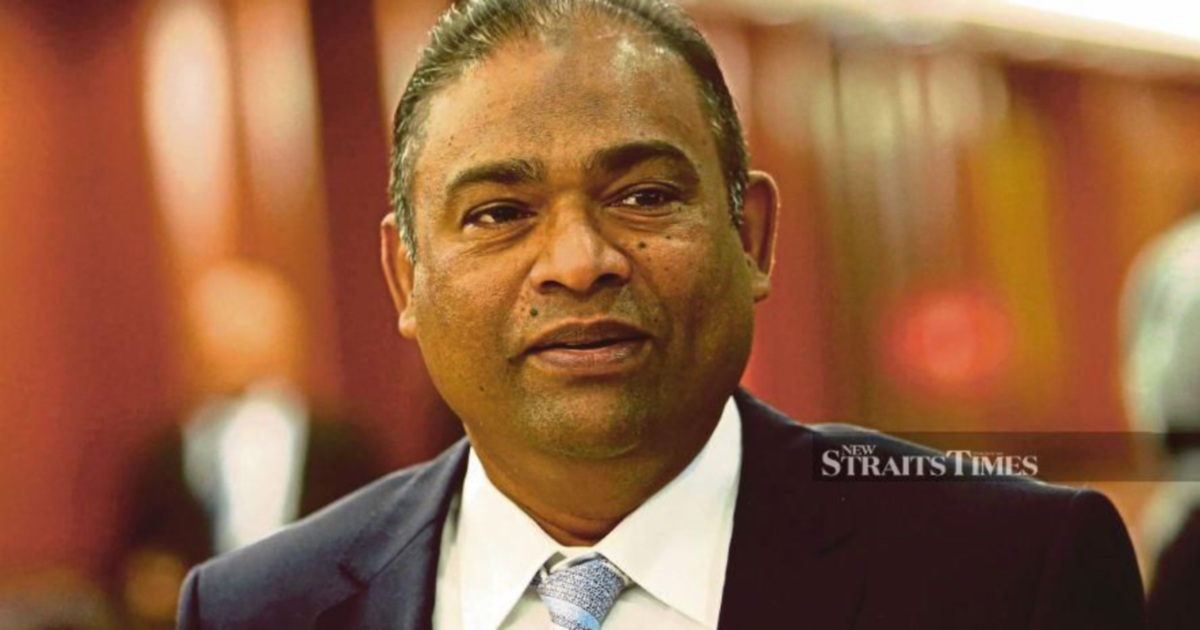
The family of former Tabung Haji chairman Datuk Seri Abdul Azeez Abdul Rahim has moved to counter media reports suggesting law enforcement action was taken against him, with his son publicly denying that any arrest occurred. Mohamed Khairul Azman's clarification comes amid heightened public attention to Tabung Haji's management and financial operations, with the Islamic pilgrimage fund facing increased scrutiny from regulators and oversight bodies.
The distinction between being arrested and undergoing other forms of questioning or investigation remains significant in Malaysia's legal framework. While various forms of police or MACC engagement short of formal arrest are possible, the clarification appears designed to address public misunderstanding and potentially forestall legal proceedings. The timing of such statements often reflects the sensitive nature of investigations into state-linked institutions, where reputational considerations weigh heavily on stakeholders.
Tabung Haji, officially known as Lembaga Tabung Haji Malaysia, manages billions of ringgit in savings belonging to Malaysian Muslims preparing for the Hajj pilgrimage. The fund has faced recurrent questions about investment decisions, financial governance, and the stewardship of pilgrims' monies. These institutional pressures have intensified following various audits and parliamentary inquiries into the organisation's management practices and corporate oversight structures.
The involvement of the Malaysian Anti-Corruption Commission in matters related to senior management at state institutions typically signals formal or informal investigations into potential irregularities in administrative or financial conduct. MACC's engagement with corporate figures, whether through questioning, statements, or other investigative procedures, often becomes public knowledge through media reports or official announcements, though the specifics of such engagements remain subject to confidentiality restrictions.
For Malaysian readers following the pilgrimage fund's governance challenges, the distinction between different types of investigative contact matters considerably. The clarification by Abdul Azeez's son may indicate that while discussions or questioning occurred, they did not constitute a formal arrest under Malaysian law. This nuance is important for understanding the broader trajectory of Tabung Haji's institutional difficulties and whether they might lead to prosecutorial action against individual officers or management.
Tabung Haji's financial performance and operational transparency have become matters of concern for the millions of Malaysians who contribute to the fund as part of their pilgrimage preparation. The institution holds deposits from over three million members and has faced questions about its investment portfolio, administrative costs, and the adequacy of returns provided to savers. These structural questions have prompted various governmental and parliamentary interventions seeking to improve governance standards.
The Malaysian Anti-Corruption Commission, as the country's primary body tasked with investigating and prosecuting corruption offences, carries significant investigative authority and public visibility. When MACC activities involve figures from major state institutions, they attract media coverage and public commentary, particularly when those figures have held prominent positions. The agency's involvement in scrutinising Tabung Haji's affairs reflects the importance placed on institutional accountability within the Islamic finance sector.
Understanding the precise nature of regulatory engagement becomes crucial for stakeholders seeking clarity about Tabung Haji's governance situation. The organisation's challenges extend beyond personnel considerations to encompass structural reform, enhanced oversight mechanisms, and improved alignment between the fund's operations and the interests of its member-contributors. These institutional matters carry implications for Malaysian Muslims planning to undertake the Hajj and for the broader integrity of faith-based financial institutions in Southeast Asia.
The clarification issued by Mohamed Khairul Azman addresses what appears to be confusion or misreporting in media coverage regarding his father's status. Such statements from family members, while sometimes dismissed as defensive, serve an important function in establishing factual records, particularly where legal terminology and procedural distinctions might otherwise create misleading impressions among the public. The statement's issuance suggests the family is actively managing the narrative surrounding the former chairman's standing.
Tabung Haji's governance narrative intersects with broader questions about institutional reform within Malaysia's state-linked corporate sector. The fund's challenges have prompted policy discussions about independent board oversight, investment strategy clarity, and member protection mechanisms. These conversations extend beyond the immediate circumstances surrounding individual officials to encompass systemic improvements aimed at strengthening public confidence in Islamic financial institutions serving Malaysia's Muslim population.

