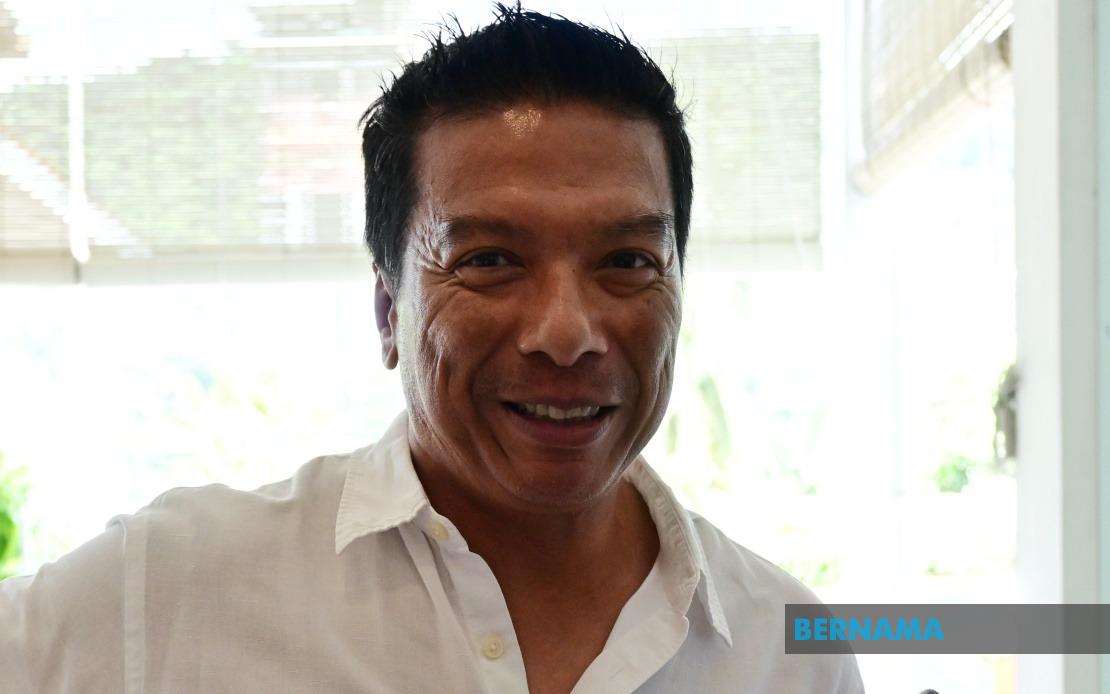
The announcement of RM200 MADANI Tickets for Malaysians attending the 2026 Gulf Air Bahrain Formula 1 Grand Prix represents a watershed moment for the country's motorsport landscape, according to Datuk Razlan Razali, the former chief executive officer of Sepang International Circuit. Set to take place from October 2-4 at the SIC venue, the event marks a significant return of Formula 1 to Malaysian soil nearly a decade after the last domestic Grand Prix concluded in 2017, and insiders insist the pricing structure makes participation financially accessible to a broad cross-section of the population.
The MADANI Ticket initiative, launched under Prime Minister Datuk Seri Anwar Ibrahim's purview, extends special pricing to MyKad holders across six distinct seating categories. Beyond the entry-level G Hillstand at RM200, Malaysians can access B and C Hillstand sections at RM809.60 each, with grandstand experiences ranging from RM1,291.40 for the F Grandstand to RM2,083.40 for the premium Main Grandstand. This tiered pricing structure acknowledges the varying preferences and budgets of Malaysian enthusiasts, fundamentally democratising access to what Razali characterises as an exceptional sporting occasion.
Razali's remarks reflect the genuine rarity of Malaysia hosting world-championship motorsport at the highest level. With nine years elapsed since the Malaysian Grand Prix last graced the SIC calendar, the opportunity window has narrowed considerably as both international licensing fees and hosting costs have escalated. The former circuit chief emphasised this scarcity, noting that nobody can predict with certainty when Malaysia will again serve as a host nation for Formula 1's elite competition. The government's decision to subsidise Malaysian citizen access through the MADANI Ticket programme thus represents a deliberate policy intervention designed to maximise domestic engagement during what may represent the sole such occasion within the next generation.
The resurgent interest in Formula 1 across Malaysia and the broader Asia-Pacific region has been substantially amplified by the Netflix documentary series 'Formula 1: Drive to Survive,' which debuted in 2019 and subsequently attracted millions of viewers worldwide through its behind-the-scenes narrative approach. This docuseries phenomenon has created an entirely new demographic of F1 enthusiasts who might otherwise have remained disconnected from the sport, fundamentally reshaping the audience composition for international motorsport events. Razali specifically attributed the overwhelming ticket demand to this dual effect—the event's inherent rarity in Malaysia combined with the expanded fan base cultivated through streaming media representation.
International visitors face substantially different pricing structures, with foreign three-day passes ranging from USD220 for hillstand sections to USD565.40 for Main Grandstand seating. The disparity between domestic and international pricing reflects both the government's stated priority to encourage Malaysian participation and the market realities of international ticketing for major sporting events. Notably, the B, C, and G Hillstand sections offer open, grass-covered viewing experiences, while the F, K1, and Main Grandstand categories provide both seated accommodation and rooftop observation platforms, accommodating diverse preferences regarding viewing comfort and environmental conditions.
However, Razali extended his perspective beyond mere spectator attendance, arguing that Malaysia must adopt a more ambitious strategic framework to maximise the full economic potential of hosting a Formula 1 event. Drawing explicit comparison to Singapore's established model—which has successfully hosted annual Grand Prix races since 2008—he advocated for Malaysian authorities to conceptualise the October gathering as a multi-day tourism and investment catalyst rather than a singular three-day motorsport spectacle. His recommendation encompassed extending visitor stays through complementary entertainment programming, cultural exhibitions, and professional forums designed to attract business and investment interests alongside casual sports enthusiasts.
The Singaporean precedent carries particular relevance for Malaysian planners, as the city-state's approach to motorsport hosting has consistently generated ancillary revenue streams through tourism, hospitality, and complementary business activities. Razali suggested that achieving even seventy percent parity with Singapore's comprehensive event ecosystem—encompassing concert performances, exhibition spaces, and broader infrastructure utilisation—would substantially amplify the return on investment for hosting the Bahrain Grand Prix. This perspective transforms the October occasion from a standalone sporting event into a potential platform for broader economic and image enhancement objectives.
Sports analyst Datuk Pekan Ramli concurred with the positive implications of both the MADANI pricing and the competitive international tariffs, emphasising that spectator expenditure on accommodation, dining, and transportation during the three-day event window would generate meaningful economic activity across Malaysia's hospitality and service sectors. Beyond immediate commercial benefits, he argued that successfully hosting a Formula 1-sanctioned event reinforces Malaysia's credentials as a legitimate competitor in the international motorsport calendar and enhances national positioning within the global arena of premium sporting events. This soft-power dimension extends beyond measurable direct economic returns to encompass broader reputational advantages within international business and tourism markets.
The genesis of this October arrangement itself reflects complex geopolitical considerations within the broader Middle Eastern region. Formula 1, in conjunction with the Fédération Internationale de l'Automobile (FIA), originally scheduled the 2026 Bahrain Grand Prix for the Bahrain International Circuit in April. However, escalating tensions in West Asia prompted postponement to the October timeframe and relocation to the Malaysian venue, effectively transforming a regional security challenge into an opportunity for Malaysia's motorsport industry and international profile. This diplomatic repositioning demonstrates how global sporting events increasingly operate within broader geostrategic contexts.
Malaysia's original relationship with Formula 1 concluded after eighteen consecutive annual Grand Prix races held at Sepang between 1999 and 2017. The programme's termination resulted primarily from financial pressures—specifically, the accumulating burden of rising international licensing fees and hosting costs that increasingly strained the viability of maintaining the event. This financial reality underscores why the 2026 Bahrain Grand Prix, operating under a cooperative arrangement rather than as Malaysia's sole responsibility, may represent a more sustainable pathway toward continued Formula 1 participation for the country.
Looking forward, the October 2026 event will test whether Malaysia can leverage temporary hosting of a world-championship motorsport occasion into longer-term benefits for national sporting development and international reputation. The accessibility of MADANI Tickets ensures that domestic enthusiasm translates into substantial live attendance, while the strategic implementation of ancillary programming could establish templates for future major events. Whether the experience catalyses a pathway toward Malaysia's eventual return as host of a Malaysian Grand Prix remains uncertain, but the 2026 occurrence undoubtedly represents a significant moment for the country's motorsport aspirations and its position within the global sports landscape.

