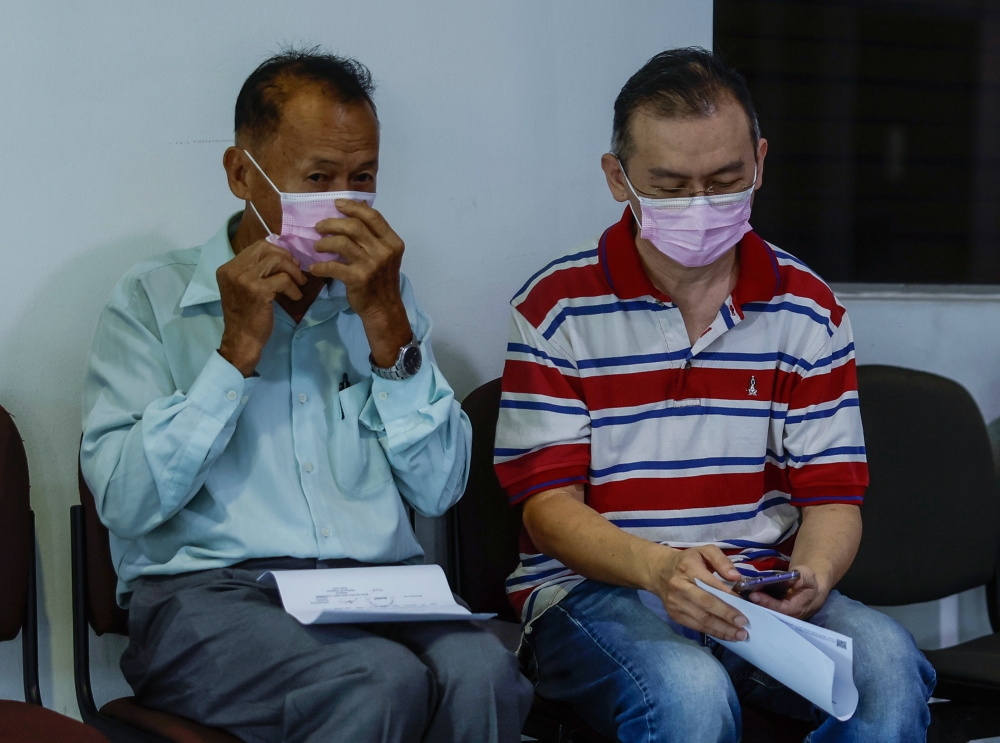
Four individuals appeared before the Sessions Court in Shah Alam on August 7 to face charges related to fraudulent applications submitted under the Perkeso Daya Kerjaya 2.0 employment assistance initiative. The case underscores an emerging pattern of misuse affecting government-backed skills development and employment support programmes designed to help Malaysian workers.
The Perkeso Daya Kerjaya 2.0 programme represents a significant investment by the Social Security Organisation (Perkeso) aimed at equipping workers with vocational training and employment placement services. As a cornerstone initiative within Malaysia's broader efforts to address skills gaps and unemployment, the scheme channels substantial public resources toward individual beneficiaries and participating training providers. The programme's integrity is therefore crucial to its effectiveness in reaching genuinely eligible workers who depend on such support.
These charges represent the authorities' increased scrutiny of application fraud across government assistance mechanisms. False declarations in benefit applications typically involve misrepresenting qualifications, employment status, income levels, or other material facts required to determine eligibility. Such misrepresentations not only divert limited resources away from deserving applicants but also undermine public confidence in the administration of social programmes and create additional administrative burden for verification processes.
The Sessions Court proceedings will examine evidence regarding the specific false statements allegedly made by each defendant. Malaysian courts have consistently demonstrated their commitment to prosecuting such cases, recognising that programme fraud represents a form of dishonesty that warrants serious legal consequences. Depending on the charges laid—whether under the Perkeso Act or related legislation—penalties may include substantial fines and custodial sentences.
For Malaysian policymakers and administrators overseeing employment assistance programmes, this case highlights the perpetual tension between programme accessibility and fraud prevention. While schemes like Perkeso Daya Kerjaya 2.0 must remain accessible to eligible workers who genuinely require support, the verification infrastructure must simultaneously be robust enough to detect and deter dishonest applications. Strengthening digital verification systems and cross-referencing with other government databases represents an ongoing priority across multiple agencies.
The Perkeso Daya Kerjaya 2.0 programme targets workers across various sectors and skill levels, making it particularly vulnerable to systematic fraud schemes. When unscrupulous individuals exploit such programmes, the consequences ripple across the employment ecosystem—training places that could have benefited struggling workers are occupied by ineligible applicants, and government expenditure that should address genuine skills deficits is instead squandered.
These prosecutions also serve a broader deterrent function. Public awareness of enforcement actions against fraudsters sends a powerful message that authorities actively pursue such cases and that dishonest applications carry real legal risks. This deterrent effect, while difficult to quantify precisely, represents an important component of programme integrity maintenance alongside technical safeguards.
Regional context matters considerably here. Across Southeast Asia, employment assistance programmes face similar challenges in balancing accessibility with fraud prevention. Malaysia's proactive approach to prosecuting application fraud positions the country as relatively stringent compared to some neighbours, though authorities acknowledge that sophisticated fraud schemes continue to evolve. The investigation and prosecution of these cases requires cooperation between Perkeso investigators, police, and prosecutors—a coordination mechanism that has matured significantly over recent years.
The broader employment assistance landscape in Malaysia encompasses multiple schemes beyond Perkeso Daya Kerjaya 2.0, including government-sponsored training initiatives, wage subsidies for employers, and unemployment benefits. Each programme faces comparable fraud risks, and successful prosecution in one scheme often creates spillover effects on fraud rates across the entire assistance ecosystem. When word spreads that dishonest applications will result in court proceedings, applicants across multiple programmes become more cautious about their declarations.
Financial implications of application fraud extend beyond the immediate loss of programme funds. Each fraudulent application requires investigation resources, diverts administrative capacity, and potentially generates cascading costs as legitimate applicants experience delays while verification processes intensify. From a public value perspective, programme fraud represents a double loss—direct expenditure on ineligible beneficiaries plus indirect administrative costs.
The Shah Alam court proceedings will likely conclude with a judgment that carries implications for future enforcement approaches. Sentencing decisions in fraud cases send signals to prosecutors about appropriate penalty levels, influencing how aggressively authorities pursue subsequent cases. Courts also frequently include in their judgments observations about programme integrity, effectively endorsing strong enforcement mechanisms.
Looking ahead, this case emphasises the importance of continuous programme redesign to incorporate emerging fraud prevention technologies. Biometric verification, real-time income cross-referencing with tax authorities, and artificial intelligence systems capable of identifying suspicious application patterns all represent potential enhancements. Malaysia's experience prosecuting these four individuals will inform ongoing discussions about optimising the balance between user convenience and security in government assistance programmes.
For workers legitimately seeking support through Perkeso Daya Kerjaya 2.0, these prosecutions ultimately serve their interests by protecting programme resources and maintaining the scheme's credibility. As Malaysia continues developing its employment assistance infrastructure to support economic resilience and workforce development objectives, maintaining programme integrity through consistent enforcement remains central to achieving intended social and economic outcomes.

