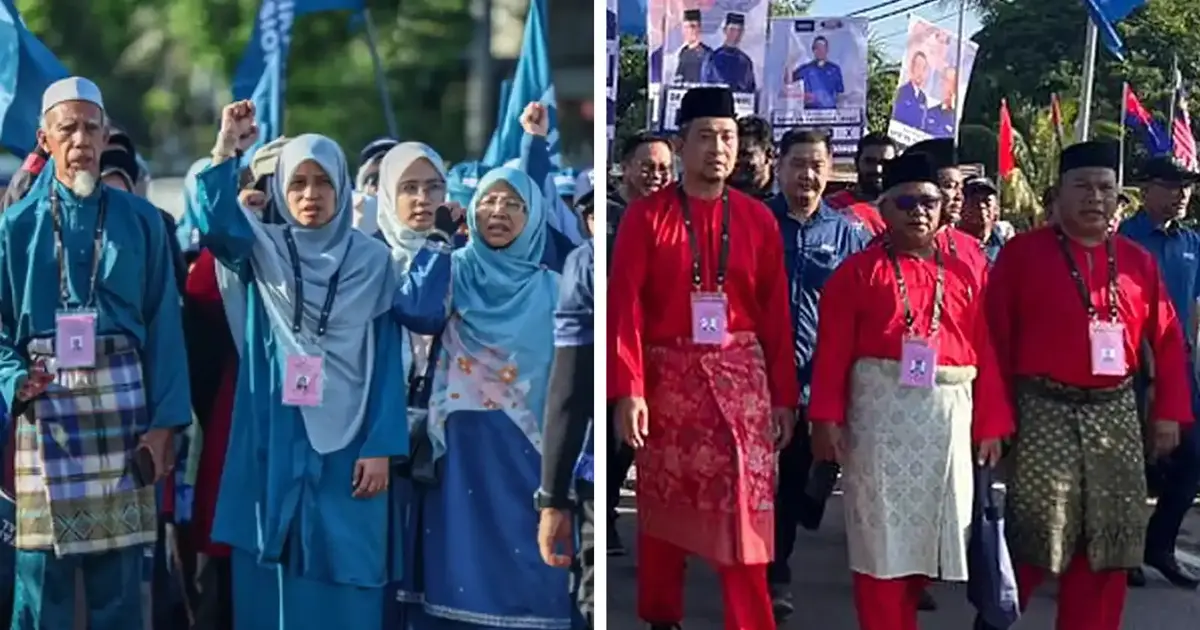
The deepening rift between PAS and Bersatu within the Perikatan Nasional coalition poses a significant threat to the alliance's electoral prospects in the upcoming Johor state election, with observers warning that continued fragmentation will make it increasingly difficult for either party to effectively mobilise voter support across the state.
The two component parties of Perikatan Nasional have struggled to present a unified front to voters, a persistent weakness that has plagued the coalition since its formation. This lack of cohesion signals underlying tensions over leadership, policy direction, and the distribution of electoral seats—issues that have become more pronounced as the Johor campaign approaches. When political alliances fail to demonstrate internal harmony, voters naturally question their viability and competence, creating an opening for rival coalitions to exploit perceived weaknesses.
Analysts point out that Perikatan Nasional's internal divisions particularly undermine its ability to challenge the entrenched strength of Barisan Nasional in Johor, a state where the federal-level ruling coalition maintains deep organisational roots and extensive ground networks built over decades. For PAS and Bersatu to make meaningful inroads in Johor, they would need near-perfect coordination and a compelling unified message. Instead, public disagreements and separate campaign strategies suggest a coalition more focused on internal jockeying than on winning seats.
The timing of this fragmentation is especially problematic. Campaign momentum depends heavily on media coverage, grassroots enthusiasm, and the ability to frame elections on terms favourable to one's coalition. When voters observe partner parties pursuing divergent narratives or criticising each other's approaches, it creates confusion about what Perikatan Nasional actually stands for and what voters can expect from it in government. This messaging chaos typically benefits incumbent administrations, which can present themselves as the stable, proven alternative.
Within Johor specifically, the electoral mathematics favour coalitions that can consolidate their vote efficiently. A divided Perikatan Nasional risks splitting the anti-Barisan vote in ways that benefit no one except the established ruling party. PAS and Bersatu candidates running in overlapping constituencies could cancel each other out, allowing Barisan Nasional candidates to win with plurality votes rather than commanding majorities. This dynamic has played out in previous elections across Malaysia, consistently punishing fragmented oppositions.
The psychological impact of visible coalition disunity cannot be understated. Many swing voters—particularly those aged 40 and above who remember stronger opposition coalitions—view fragmentation as a sign of weak leadership and poor governance potential. If the parties cannot manage their own internal affairs, the reasoning goes, how can they be trusted to manage state affairs? This concern resonates particularly in Johor, where voters have historically preferred strong, decisive administrators over internally divided governments.
Moreover, grassroots party workers become demoralised when they perceive that national leadership is at odds. Campaign volunteers are significantly less motivated to knock on doors, attend rallies, and mobilise their networks when they question whether their efforts serve a coherent strategic vision. This loss of grassroots energy translates directly into reduced campaign effectiveness on the ground, where elections are ultimately won and lost.
The PAS-Bersatu tensions also create strategic vulnerability. When coalition partners disagree publicly, it invites opposition parties to exploit these fault lines through targeted messaging. Barisan Nasional's campaign strategists will undoubtedly attempt to widen existing divisions, offering inducements to disgruntled Bersatu or PAS supporters and potentially targeting swing votes in marginal constituencies with appeals to vote for the more unified coalition.
From a regional perspective, Malaysia's opposition coalitions have historically struggled to maintain internal discipline, a pattern that reinforces public perception of opposition politics as inherently chaotic and fractious. The Johor election provides an opportunity for Perikatan Nasional to demonstrate that it has matured beyond this reputation, yet the current trajectory suggests the opposite. Unless PAS and Bersatu can demonstrably reconcile their differences before campaign season reaches its peak, voter scepticism about their viability will only deepen.
Looking ahead, analysts suggest that Perikatan Nasional needs to urgently address the perception of disunity through concrete actions—joint campaign events, clearly delineated seat arrangements, and consistent messaging from both party leaderships. Without such measures, the coalition risks entering the Johor election already weakened, facing not just a well-organised incumbent but also a credibility gap among voters who increasingly doubt whether PAS and Bersatu can effectively govern together.

