France's government has officially announced that the nation's next presidential election will take place across two rounds in spring 2027, with voting scheduled for April 18 for the initial contest and May 2 for any runoff that may prove necessary. The decision, confirmed during a Cabinet meeting and reported by state media on Wednesday, concludes months of deliberation over an appropriate electoral calendar that balances constitutional requirements with practical considerations for conducting a nationwide poll.
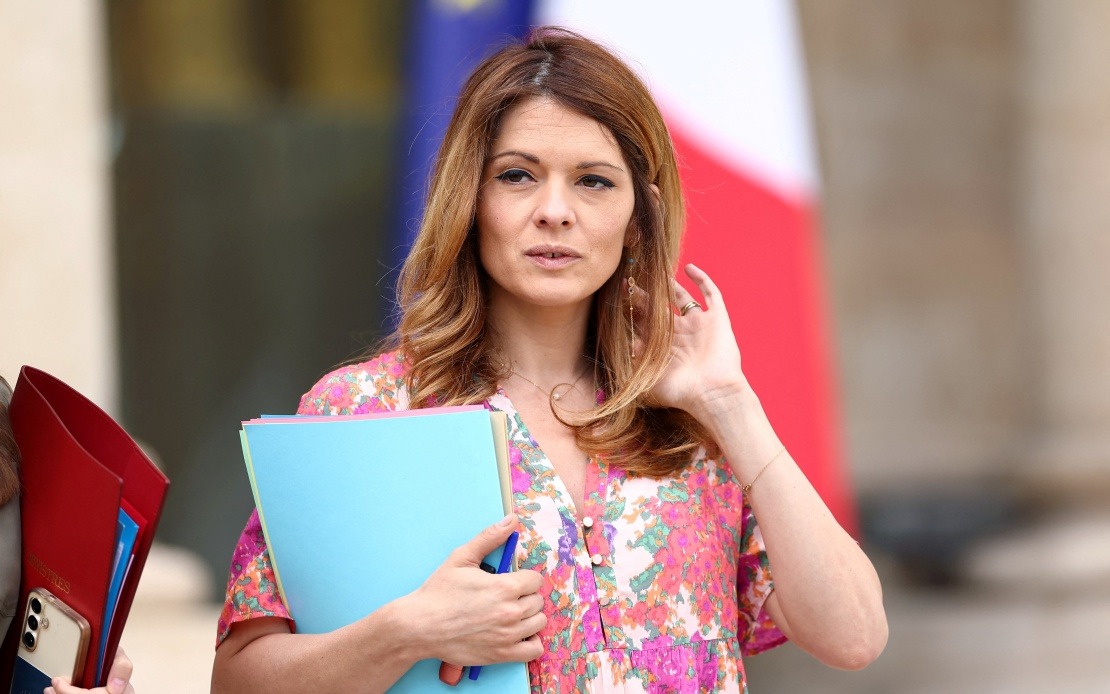
Government spokesperson Maud Bregeon defended the announcement by emphasising that the dates were not selected arbitrarily but rather emerged from systematic consultation with France's various political parties and strict adherence to constitutional provisions governing electoral timing. She explicitly rejected suggestions that the government had engineered the schedule to advantage any particular political faction, framing the choice instead as a technical decision bound by legal requirements and widespread agreement among stakeholders.
However, the calendar has proven controversial among opposition figures who view the timing through a distinctly political lens. The most contentious aspect centres on the placement of the potential second round just one day after May 1, when France traditionally observes International Workers' Day with significant public demonstrations and labour union activities. This proximity has raised eyebrows among political observers who question whether the government inadvertently—or deliberately—created a situation where electoral campaigning would coincide with major street mobilisations that could influence voter sentiment or campaign momentum.
Bruno Retailleau and other opposition voices have articulated concern that the schedule is not politically neutral, suggesting instead that it reflects deliberate strategic calculations by the current administration. Their criticism implies that the timing could disadvantage certain candidates or parties while providing others with inherent advantages, particularly those with strong organisational capacity or connections to labour movements. The accusation strikes at the heart of democratic fair play—the principle that electoral rules should not systematically benefit or harm any political force.
In response to these allegations, government representatives have reiterated that electoral procedures apply consistently across all candidates and will be administered according to established protocols throughout the campaign period. The government's position holds that no electoral schedule can satisfy every preference, and that the April-May framework provides adequate opportunity for all participants to present their policy platforms and programmes to voters.
Bregeon further noted that French political actors have considerable experience navigating electoral campaigns that intersect with May Day celebrations, suggesting this is a manageable logistical and political challenge rather than an unprecedented or problematic situation. This invocation of historical precedent attempts to normalise the arrangement and deflect suggestions that the government has acted outside conventional bounds.
The spokesperson emphasised that the timeline was designed to accommodate all existing constraints and reflected genuine consensus reached through talks with political forces across the spectrum. She acknowledged that no calendar is universally ideal but argued that the chosen dates represent a reasonable compromise that ensures sufficient campaigning duration for candidates to communicate their agendas effectively to the electorate.
For Southeast Asian observers, the French scheduling controversy offers instructive parallels regarding how electoral timing can become a flash point in democratic competition. Malaysia, Indonesia, and the Philippines have all experienced instances where opposition parties questioned government decisions about election dates, arguing that particular schedules advantaged incumbents or created logistical obstacles for challengers. The French case demonstrates that even established democracies navigate tension between technical necessity and perceptions of fairness.
The controversy also highlights how calendar choices acquire symbolic and practical significance beyond mere administration. In democracies across Asia and Europe, the timing of major civic events—whether religious observances, public holidays, or labour demonstrations—intersects with electoral politics in ways that no purely technical framework can entirely neutralise. The French government's framing of its decision as neutral contrasts sharply with opposition interpretations, illustrating how identical schedules generate fundamentally different political narratives depending on one's position within the system.
As France's political parties begin preparing for 2027, the calendar controversy may presage broader campaign tensions about fairness and procedure. The coming months will reveal whether the April-May framework proves genuinely workable or whether disputes over the dates escalate into challenges regarding campaign finance, media access, and other dimensions of electoral equality. The stakes extend beyond France, as democratic systems worldwide grapple with structuring elections in ways that balance pragmatic necessity against the paramount democratic requirement that all participants trust the process itself.

