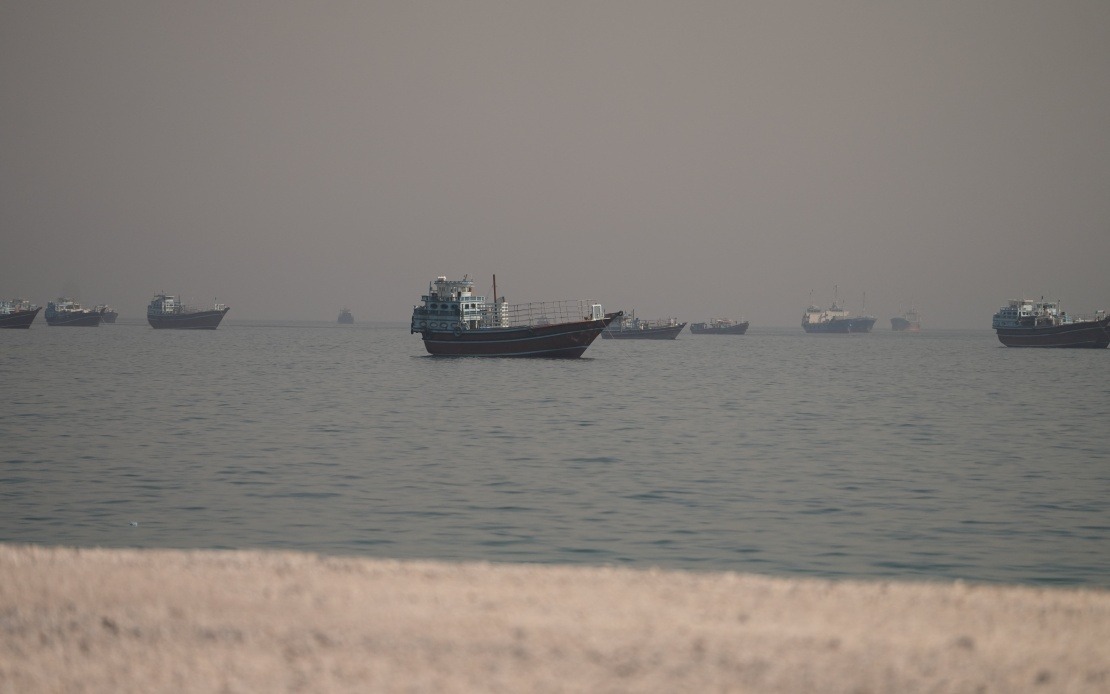
France is exploring Syria as a potential alternative corridor for oil shipments to insulate global markets from disruptions in one of the world's most critical chokepoints, according to Foreign Minister Jean-Noël Barrot. Speaking in an interview with TF1 on Thursday, Barrot outlined how geopolitical tensions between Washington and Tehran have exposed the vulnerability of relying too heavily on a single energy route, particularly the Strait of Hormuz, which handles a substantial portion of international crude flows.
The timing of Barrot's comments reflects mounting concern across Europe about energy security in an increasingly volatile geopolitical landscape. Recent confrontations between the United States and Iran have raised questions about the continued reliability of shipping through the Strait of Hormuz, prompting major economies to reconsider their energy sourcing strategies. For Southeast Asian nations like Malaysia that import significant quantities of energy resources, this European reassessment carries implications for global supply chains and pricing mechanisms that directly affect regional economies.
Barrot's remarks came shortly after accompanying President Emmanuel Macron on a diplomatic visit to Damascus on Tuesday, a mission designed to demonstrate France's commitment to Syria's political transition and territorial integrity. The visit underscores a broader Western shift toward re-engaging with Syria following the overthrow of Bashar al-Assad approximately eighteen months prior, representing a significant realignment in Middle Eastern geopolitics that has caught the attention of regional observers.
The French minister articulated a strategic vision in which Syria, as it stabilizes and consolidates its sovereignty, could transition into a regional economic and energy hub. This positioning would theoretically allow alternative pathways for petroleum shipments that bypass traditional routes vulnerable to blockade or military action. For resource-dependent economies throughout Asia and the Pacific, such diversification at the source would reduce exposure to singular points of failure that could disrupt supplies and trigger price shocks.
France's diplomatic overture reflects a calculated reassessment of Syria's geopolitical utility and economic potential. By visiting Damascus and signalling strong support for Syrian reconstruction and unification, Macron and Barrot are positioning France to influence outcomes in a strategically situated nation. Control over or preferential access to Syria's geographic position and potential energy infrastructure could enhance France's influence over energy flows affecting both European and global markets.
The broader context involves the ongoing necessity for industrialized nations to secure diversified supply chains for critical resources. The Strait of Hormuz handles approximately one-third of globally traded seaborne petroleum, making it indispensable to the international economy yet perpetually vulnerable to disruption. Any conflict or blockade affecting this narrow passage immediately reverberates through energy markets worldwide, triggering price volatility that harms importers and benefits exporters unpredictably.
Barrot emphasized France's intention to deepen cooperation with Damascus across multiple sectors beyond energy, including economic partnerships and trade development. This multilayered engagement strategy aims to rebuild diplomatic relationships severed during the Assad era while simultaneously positioning French interests in a post-conflict Syria. Malaysian policymakers monitoring regional energy transitions should note that European nations are actively cultivating alternative suppliers and routes, potentially affecting global energy pricing and availability.
The reference to Syria's recent political transformation and reunification efforts suggests that the French government views the post-Assad environment as sufficiently stabilized to justify significant engagement. However, security analysts caution that Syria's stability remains fragile, with various armed factions, humanitarian challenges, and reconstruction needs still presenting obstacles to the kind of reliable, organized energy infrastructure development that would genuinely function as an alternative to the Hormuz route.
From a Malaysian perspective, France's strategy illuminates how major economies are restructuring their energy security calculations. As Southeast Asia itself seeks to diversify energy sources and develop regional infrastructure projects, understanding the European approach toward Syria offers instructive lessons about leveraging geographic position and political transitions to enhance economic influence. The willingness of major Western powers to re-engage with previously isolated nations demonstrates how strategic energy interests can reshape diplomatic priorities.
The feasibility of developing Syria into a meaningful alternative energy corridor depends on numerous factors beyond current diplomatic gestures, including security stabilization, infrastructure investment, and international cooperation. Nevertheless, Barrot's public articulation of this possibility signals that Western governments are actively exploring options to reduce dependence on traditional chokepoints. For Asian energy importers, this European repositioning could eventually create both opportunities for alternative sourcing and competitive pressures for access to emerging routes.
France's engagement with Syria also reflects broader European interests in stabilizing the broader Middle East region. By supporting Syrian reconstruction and integration into regional economic networks, France contributes to long-term stability that benefits energy producers and consumers alike. Malaysia and other ASEAN members have stakes in Middle Eastern stability, making the outcomes of French-Syrian cooperation relevant to regional security and prosperity.
Looking forward, the development of Syria as an energy hub remains speculative and dependent on successful political consolidation, security improvements, and substantial infrastructure investment. Nevertheless, Barrot's statements signal that major Western powers view Syria's geographic position and post-conflict transition as strategically significant for reshaping global energy architecture. This European initiative underscores how geopolitical tensions and supply chain vulnerabilities continue driving major powers to reimagine energy security mechanisms, with ripple effects extending throughout the global economy.

