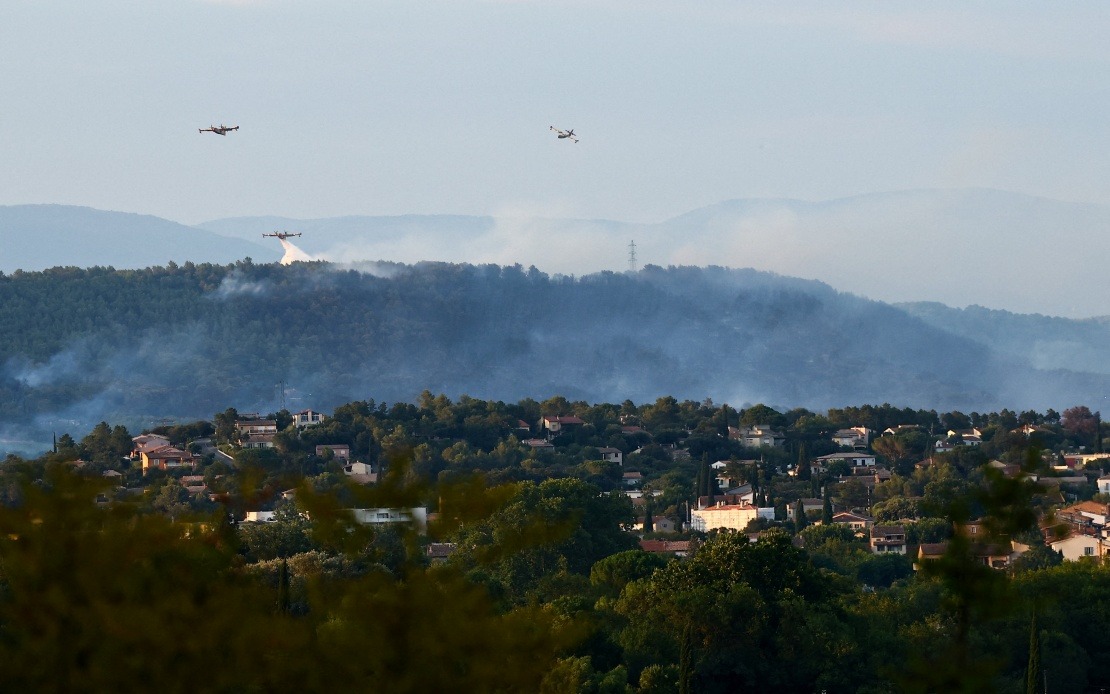
France is confronting one of its most severe wildfire seasons in recent history, with Interior Minister Laurent Nunez announcing that the nation has lost almost 40,000 hectares of forests and vegetation since the beginning of 2026. The cumulative toll, which exceeds 98,000 acres, represents a dramatic escalation from the previous year's figures, signalling a deepening environmental and public safety crisis across the country.
The relentless outbreak of wildfires reflects the catastrophic impact of an exceptional heat wave sweeping across France. Nunez indicated that fresh fires continue to ignite daily, overwhelming firefighting resources and straining the country's emergency response capacity. This pattern of persistent blazes suggests that neither autumn's arrival nor traditional seasonal shifts have brought relief, highlighting the structural challenges posed by climate-driven extreme weather phenomena.
President Emmanuel Macron characterised the current situation as historically unprecedented, describing it as France's worst wildfire season since the end of World War II. This assessment carries substantial weight given France's long history of summer fire seasons in Mediterranean and southern regions. The presidential acknowledgement underscores the exceptional nature of the 2026 crisis and reflects growing alarm within government circles about the trajectory of environmental degradation.
Temperature extremes have been the driving force behind the proliferation of fires. Across much of France, mercury readings approached 40 degrees Celsius, with certain areas experiencing even more intense heat. Such temperatures dramatically reduce soil and vegetation moisture content, transforming forests and grasslands into tinderboxes where ignition can spread with frightening speed and intensity. The heat also complicates firefighting operations, as crews battle conditions that exhaust personnel and limit tactical options.
The geographical extent of the heat emergency provides context for the scale of the wildfire problem. In late June, France's meteorological service issued weather warnings across 72 of the country's 96 departments—the highest number on record for such simultaneous alerts. This unprecedented coverage indicates that the heat wave affected nearly the entire nation rather than concentrating in traditionally hot southern regions, expanding the geographic zone vulnerable to wildfire ignition.
For Malaysia and Southeast Asia, the French crisis offers instructive lessons about climate change's intensifying impact on forest ecosystems. Southeast Asian nations already contend with seasonal haze from agricultural burning and natural fires in Indonesia, Brunei, and nearby regions. Rising global temperatures may amplify the frequency and intensity of such episodes, potentially extending fire seasons and expanding affected areas. The French experience demonstrates that even developed nations with sophisticated firefighting infrastructure struggle against climate-driven wildfire proliferation.
The economic dimensions of France's wildfire crisis extend beyond immediate suppression costs. Burned forests represent lost timber resources, destroyed wildlife habitat, and degraded carbon sinks that normally sequester atmospheric carbon dioxide. Tourism infrastructure in affected regions faces disruption. Agricultural productivity declines when grasslands burn. The cumulative economic impact across forestry, agriculture, tourism, and emergency services likely represents billions of euros in direct and indirect losses.
The political implications for Emmanuel Macron's government warrant attention. Environmental crises that visibly damage landscapes and force evacuations test public confidence in governmental competence and climate adaptation planning. The frequency of climate-related disasters increasingly influences voter sentiment and shapes debates about energy policy, agricultural regulation, and infrastructure investment. France's struggle with wildfires may influence European discussions about climate mitigation and adaptation funding.
Comparative analysis reveals troubling trends. Previous major European fire seasons, such as those affecting Greece, Portugal, and Spain in recent years, preceded France's current crisis by only months. This clustering of severe fire seasons across the Mediterranean basin suggests systemic atmospheric changes rather than isolated local phenomena. Climate models predict such patterns will intensify, potentially creating a new normal where extreme fire seasons occur with greater regularity across southern Europe and Mediterranean regions.
The challenge of wildfire suppression extends beyond firefighting capacity. Prevention requires landscape management practices that reduce fuel loads—controlled burns, thinning operations, and vegetation management—implemented across vast territories. Such preventative work is expensive, long-term, and politically demanding. Governments must balance ecological concerns against the costs and risks of active management interventions. France's current crisis reflects partly the difficulty of implementing adequate preventative strategies across fragmented jurisdictions and competing land-use interests.
For Malaysia, observing France's struggle offers perspective on regional vulnerability. Southeast Asia's tropical forests, while subject to different fire dynamics than European temperate forests, face accelerating threat from agricultural expansion, illegal logging, and climate change. The region's experience with transboundary haze from Indonesian fires demonstrates how regional coordination on fire management becomes essential when smoke crosses international borders and affects air quality across entire regions.
Looking forward, France's 2026 wildfire season will likely influence European climate policy discussions and investment priorities. The convergence of record temperatures, unprecedented weather warning coverage, and the highest burned area since World War II creates political pressure for enhanced adaptation planning. Investment in early warning systems, firefighting capacity, landscape management, and climate resilience research may increase substantially across European nations responding to the crisis.
The French wildfire crisis ultimately reflects the accelerating interaction between climate change and human systems. As greenhouse gas concentrations continue rising and atmospheric temperatures increase, the conditions favouring massive wildfires become more frequent. Countries across temperate and tropical regions—including Malaysia and its Southeast Asian neighbours—face similar long-term trajectories. The French experience provides both warning and instruction about the scale of challenges ahead and the inadequacy of current preparedness frameworks.

