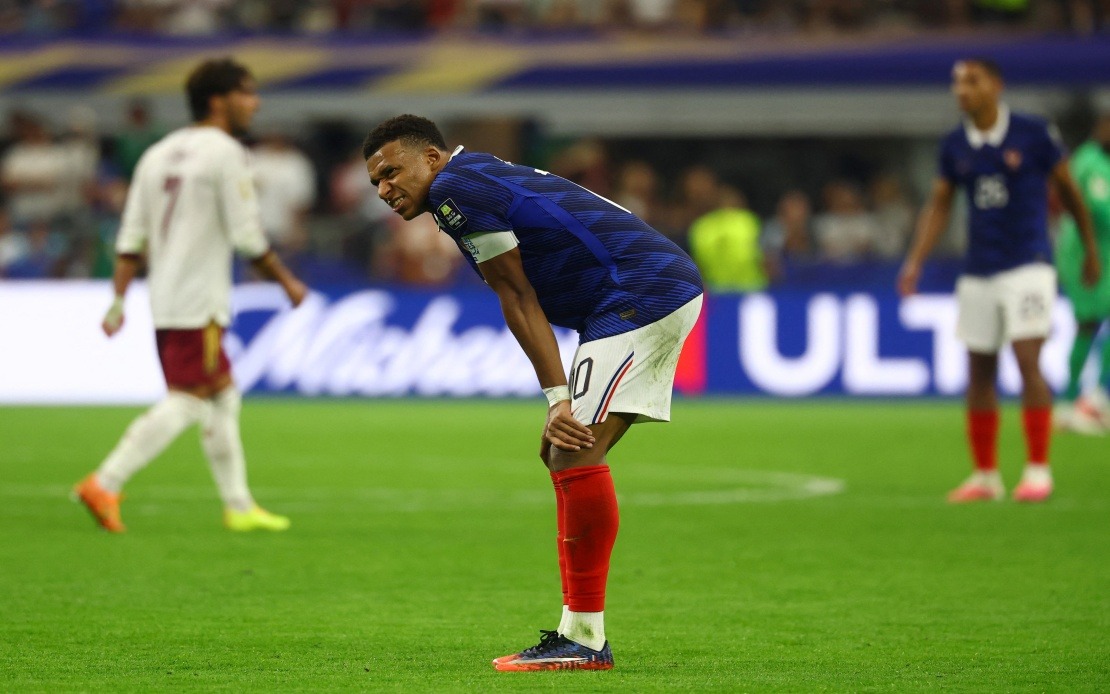
France experienced significant civil unrest in its major cities following the national football team's elimination from the FIFA World Cup at the semifinal stage. Spain's 2-0 victory over Les Bleus on Tuesday night triggered a wave of disorder that saw security forces detain more than 160 individuals across Paris and Lyon, underscoring the intensity of public emotion surrounding the tournament and the occasional darker side of sports fandom.
The Paris Police Prefecture documented that the capital and its surrounding region accounted for the majority of arrests, with 141 people taken into custody in connection with post-match incidents. The bulk of these detentions related to individuals accused of discharging firework mortars in the direction of law enforcement officers and personnel working with emergency services. Such conduct represents a familiar pattern in French urban centres following major sporting defeats, where celebratory gatherings occasionally transform into confrontational scenarios involving pyrotechnic devices and projectiles.
Authorities conducting investigations into the Paris incidents reported that none of those detained sustained significant injuries during the altercations. This outcome reflected the relatively restrained nature of police responses and the absence of escalating physical confrontations, though the sheer number of arrests demonstrated the breadth of disturbances across multiple districts and neighbourhoods. The focus on firework mortars highlighted concerns about public safety in crowded urban environments where large gatherings materialise spontaneously following international sporting events.
Lyon, France's third-largest metropolitan area, witnessed its own sequence of disorderly events as several hundred spectators assembled at Place Bellecour to observe the semifinal match. This historic public square, one of Europe's largest, provided an natural gathering point for football enthusiasts seeking community viewing experiences. However, once the final whistle confirmed Spain's progression to the final, the composition of the crowd shifted as smaller factions within the broader assembly began exhibiting aggressive behaviour.
These breakaway groups engaged in projectile throwing, with fireworks among the materials hurled toward deployed police personnel. The incident pattern mirrored what occurred simultaneously across Paris, suggesting coordinated or spontaneous expressions of frustration that transcended geographical boundaries within France. Riot police mobilised quickly to contain the situation and restore order, resulting in approximately twenty arrests within Lyon's jurisdiction. The detainees apprehended in the city included individuals born between 2002 and 2011, indicating participation spanning from teenagers through to adults in their early twenties.
Lyon's municipal authorities affirmed that despite the rowdy scenes and police intervention, the incidents did not culminate in serious personal injuries or substantial destruction of property. This distinction mattered considerably, as it separated these events from more severe episodes of urban unrest that occasionally accompany major sporting disappointments in European cities. The controlled nature of the police response and the absence of widespread vandalism suggested that French security forces had learned lessons from previous incidents and maintained proportionate enforcement strategies.
The broader context of France's World Cup campaign adds perspective to understanding the emotional weight attached to the semifinal result. As defending champions from the previous World Cup cycle and perennial contenders on the international stage, French supporters harboured legitimate expectations of advancing further in the tournament. Spain's authoritative performance and decisive scoreline represented a significant setback for national pride, creating the emotional conditions under which smaller segments of the population expressed frustration through illegal activity rather than accepting sporting defeat with equanimity.
For Malaysian and Southeast Asian observers, these events illustrate how football remains a powerful vector for collective emotion across diverse societies, including wealthy developed nations. Whilst Malaysia's football culture and scale of public gathering differs substantially from France's context, similar patterns occasionally emerge in regional stadiums and public spaces during major competitions. Understanding how European authorities manage such situations provides useful comparative context for Asian nations navigating the intersection of mass public enthusiasm and public order maintenance.
The incident sequence also demonstrates the ongoing challenge that host nations and tournament organisers face in managing expectations and ensuring public safety during global sporting competitions. Whilst the vast majority of French citizens processed their team's elimination through lawful channels, the concentration of arrests in two major cities indicated that preventative measures and post-match security planning require sustained attention. The relatively young age profile of detainees in Lyon suggests that education campaigns targeting younger demographics about lawful conduct during sporting events remain necessary components of public safety strategy.

