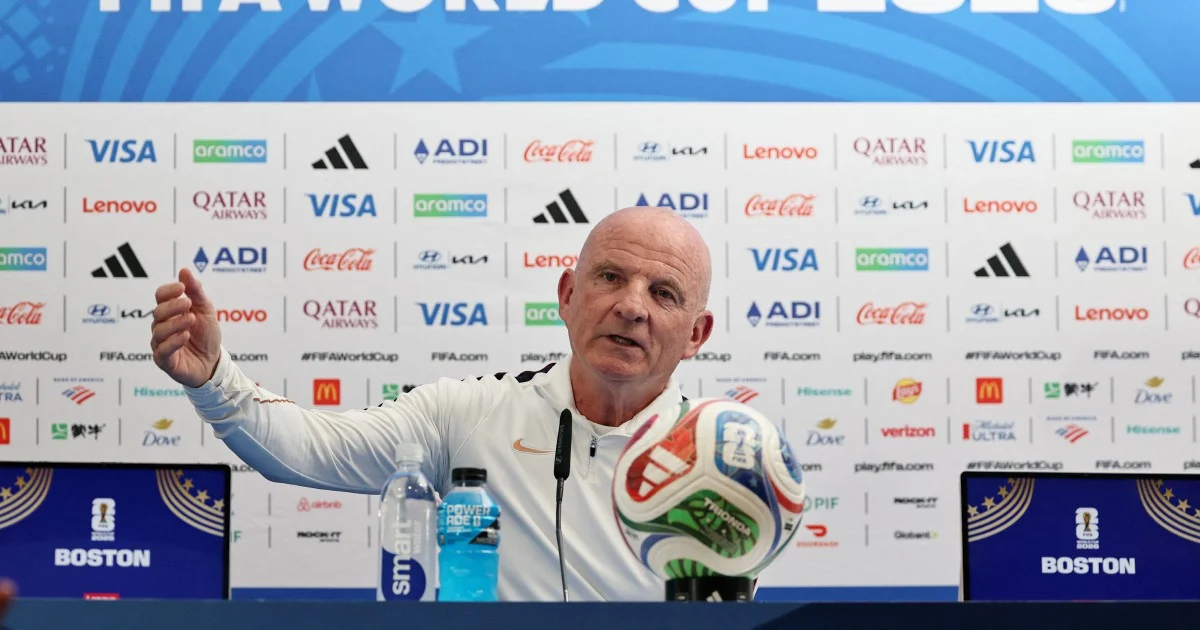
France enters Friday's Group I showdown against Norway with more at stake than simply collecting three points. The 2018 World Cup champions, speaking through assistant coach Guy Stephan in the absence of manager Didier Deschamps who returned to France for his mother's funeral, have made it abundantly clear that topping the group carries significant logistical advantages that extend well beyond bragging rights. The pursuit of first place represents a calculated strategic priority that reflects the grinding realities of tournament football across North America's vast distances.
Both nations arrive at this encounter having already secured qualification for the knockout stage following impressive starts to their campaign. France won their opening two matches to accumulate six points, while Norway matched that achievement. However, the mathematics of World Cup progression favour the French slightly, as they require only a draw to clinch top spot courtesy of a superior goal difference. This buffer means Deschamps' squad theoretically possesses flexibility heading into the fixture, yet the coaching staff remains determined to avoid the complications that would accompany a second-place finish.
The geographical argument underpinning France's ambition reveals itself in practical terms that profoundly affect team performance and player recovery. Securing first place would allow France to remain based in the northeastern United States, keeping their operations centred near Boston and the New England Patriots stadium through the quarter-final stage. By contrast, finishing second would force the squad into a grueling rotation of relocations, with matches potentially taking place in Dallas, Miami and Atlanta. These cities represent substantially longer travel times and introduce complexity into preparation schedules that coaches universally prefer to minimize during tournament football.
Stephan articulated these concerns with particular emphasis on the environmental factors accompanying such extensive travel. The temperature variations across different American cities during the competition period create additional challenges for adaptation and player management. Teams must acclimatize repeatedly rather than maintaining consistency in their base of operations, affecting everything from training intensity to sleep quality. For a squad managing multiple matches over consecutive weeks, such disruptions accumulate into meaningful disadvantages that experienced teams actively seek to avoid.
France's injury situation adds another layer of complexity to their strategic calculations. Central defender William Saliba will be unavailable against Norway, while striker Marcus Thuram faces uncertainty with calf pain that requires assessment. These absences demand careful squad rotation and tactical adjustment, circumstances that become exponentially more demanding when combined with frequent geographic relocation. Stephan's willingness to discuss these specific personnel issues suggests the coaching staff views them not in isolation but as components of the broader challenge of maintaining squad cohesion across transcontinental distances.
Deschamps' absence from immediate tactical discussions with Stephan has introduced an organizational adjustment that the coaching team is navigating with clarity about priorities. Speaking in place of the World Cup-winning manager, Stephan confirmed he maintains regular telephone contact with Deschamps despite the manager's presence in France for funeral arrangements. Yet Friday itself would represent an exception to this communication pattern, with Stephan noting that meaningful tactical conversations would be minimal on the day of the funeral service. This arrangement reflects both respect for Deschamps' personal circumstances and the institutional understanding within French football that qualified assistant coaches can execute predetermined strategic approaches without constant top-level oversight.
Norway presents a formidable challenge despite entering the match as heavy underdogs against France's recent pedigree. The Scandinavian side's capacity to win their opening two matches suggests they command both tactical sophistication and individual talent capable of testing French defences. However, Norway simultaneously faces the knowledge that they would likely finish second if they emerge victorious, forcing them into the very travel scenario France desperately wishes to avoid. This creates an intriguing psychological dynamic where both teams possess legitimate reasons to pursue victory, though for slightly different motivational contexts.
The broader context of World Cup group stage football internationally demonstrates that teams universally prefer to dictate their own trajectories rather than accept second-place positions. France's transparent articulation of these preferences reflects not paranoia but hardheaded acknowledgement of competitive realities. Tournament organizers across multiple sports recognize that venue distribution creates inherent advantages and disadvantages, yet World Cup structure typically necessitates such geographic compromises given the enormous distances involved in hosting competition across the continental United States.
For Malaysian and Southeast Asian observers, France's situation illuminates the practical complications that even elite teams navigate during major tournaments. Regional readers familiar with AFC competitions understand that travel and acclimatization represent genuine challenges, though World Cup distances vastly exceed those typical in Asia-based tournaments. The French approach to these logistics—planning strategically rather than assuming results will somehow resolve themselves—offers instructive lessons in tournament preparation. Southeast Asian national teams aspiring to compete at World Cup level would recognize that understanding venue logistics and travel implications represents part of modern football's technical preparation.
Stephan's comments to the assembled media reflected confidence in France's ability to execute their preferred strategy. The assistant coach emphasized that reaching six points after two matches represents an achievement that many squads struggle to attain, suggesting satisfaction with progression while maintaining focus on the incremental advantage that first place would provide. This balanced perspective acknowledges both the security of qualification and the strategic value of optimizing the path toward quarter-finals. France approaches Friday's encounter with Norway knowing that three points would secure their preferred logistical position while a draw maintains qualification certainty—a comfortable position that nevertheless requires the squad to perform at the required standard against determined opposition.

