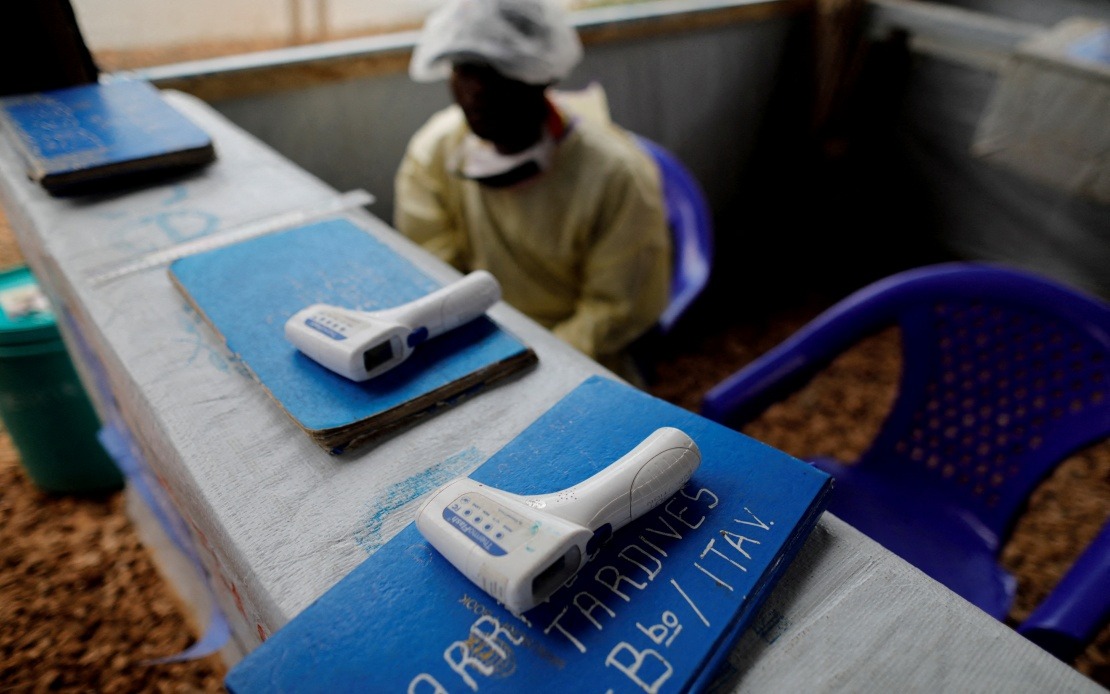
France has marked a significant medical milestone with the recovery and hospital discharge of its first confirmed Ebola patient, according to an announcement by French Minister of Health Stéphanie Rist. The case represents an important success story in the fight against the haemorrhagic fever, particularly as the world continues to grapple with persistent outbreaks in sub-Saharan Africa. The patient, a physician engaged in humanitarian work, had travelled to the Democratic Republic of the Congo before returning to France on June 23 and subsequently testing positive for the virus.
The case gained particular significance because of the patient's profession and exposure history. Working in humanitarian aid placed the doctor at elevated risk of infection whilst providing critical medical services in one of the world's most challenging health environments. The individual's swift return to France and immediate placement under medical surveillance proved crucial in managing the infection and preventing any wider transmission within French communities. The careful handling of the case also reflects the heightened vigilance that European health authorities have maintained regarding infectious disease threats originating from Africa.
Throughout his hospitalisation, the patient did not develop severe manifestations of the disease, which substantially improved his prognosis and enabled an earlier discharge. This relatively mild clinical presentation may have been influenced by several factors, including his medical background, which likely fostered rapid recognition of symptoms and prompt seeking of care. Early intervention and access to supportive hospital care—including careful management of fluids, electrolytes, and prevention of secondary infections—played vital roles in facilitating recovery. The absence of severe disease progression demonstrated that with appropriate medical attention, outcomes for Ebola patients can be favourable, a message of cautious optimism even as the epidemic continues in Africa.
The Democratic Republic of the Congo remains the epicentre of a devastating Ebola epidemic that commenced on May 15. As of the minister's statement, confirmed cases had reached 1,502 individuals, with 438 recorded deaths—a case fatality rate that underscores the severity of the outbreak and the tremendous toll it continues to exact on the affected nation. This particular epidemic represents one of several serious Ebola events that have emerged from the DRC in recent years, reflecting the complex epidemiological challenges posed by the virus in a region with significant geographical, infrastructural, and political complexities that complicate outbreak response efforts.
The French case illustrates a critical reality for healthcare workers and humanitarian personnel operating in affected regions: their mobility and international travel patterns can inadvertently introduce pathogens to new geographical areas. This dynamic has profound implications for global health security architecture, particularly as air travel connects remote outbreak zones to major metropolitan centres within hours. However, the successful identification, isolation, and treatment of the French patient demonstrates that modern surveillance systems and clinical infrastructure in developed nations can effectively contain such introductions, preventing secondary transmission chains from developing.
For Southeast Asian readers and policymakers, this incident carries instructive lessons about preparedness and response capacity. Whilst no Ebola cases have been documented in the region, the theoretical risk of importation exists, particularly given the extensive business and humanitarian networks linking Southeast Asia to Central Africa. Countries including Malaysia, Singapore, and Thailand maintain sophisticated laboratory facilities and clinical expertise that would enable rapid diagnosis of suspected cases. However, the French example underscores the importance of maintaining vigilant border health screening protocols and ensuring that healthcare workers throughout the region receive appropriate training in identifying and managing potential viral haemorrhagic fever cases.
The successful recovery also reflects broader advances in supportive care for Ebola patients. Whilst no specific curative therapy for Ebola exists, careful management of shock, renal failure, and haemorrhagic complications can substantially improve survival rates. Several experimental vaccines and therapeutic monoclonal antibodies have demonstrated promise in recent African outbreak responses, and the availability of such interventions represents a significant evolution from earlier epidemics when purely supportive care remained the only option. The French healthcare system's capacity to provide comprehensive intensive care nursing and clinical management demonstrates the advantages of treating Ebola cases in well-resourced hospital settings.
The case also carries implications for the global health workforce. The decision to undertake humanitarian medical work in an Ebola-affected region reflects the commitment of dedicated professionals to serving vulnerable populations despite personal risk. The successful recovery of this particular doctor may provide reassurance to other healthcare workers considering similar assignments, demonstrating that infection does not inevitably result in death and that appropriate medical systems can effectively manage the condition. Simultaneously, it reinforces the importance of rigorous infection control training and personal protective equipment protocols for all personnel working in outbreak-affected areas.
Looking forward, the French experience will likely contribute valuable epidemiological and clinical data to the broader scientific understanding of Ebola transmission dynamics and disease progression. Detailed case documentation from treated patients in well-resourced settings often yields insights that enhance management protocols globally. The sharing of such information through peer-reviewed publications and international health organisation channels strengthens the collective capacity of the global health community to respond effectively to future Ebola events, whether in Africa or beyond.

