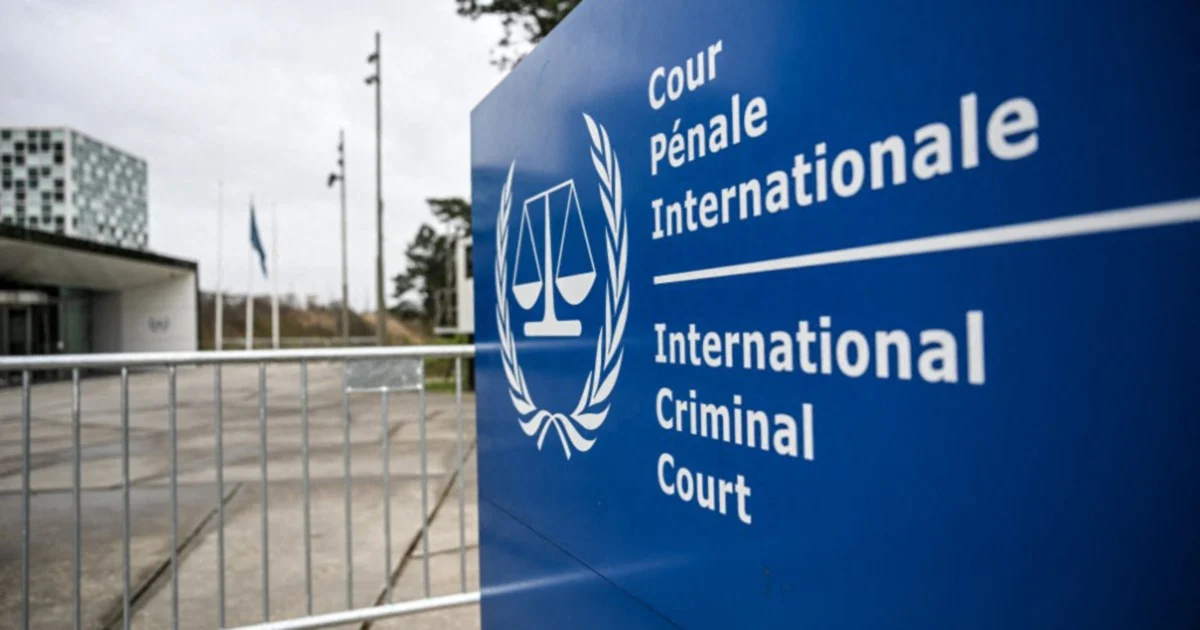
Civil liberties advocates in the United States have mounted a legal challenge to the Trump administration's punitive measures against the International Criminal Court, claiming that the sanctions regime designed to undermine the institution breaches fundamental constitutional guarantees of freedom of expression. The lawsuit, brought by two Washington-based advocacy groups on Wednesday, represents an escalation of domestic opposition to the executive branch's aggressive diplomatic push to dismantle the international judicial body that has increasingly become a flashpoint in American political discourse.
The timing of the legal action coincides with an intensified diplomatic offensive launched by US officials this week, through which the administration has signalled its determination to neutralise the ICC's operations and influence. This coordinated campaign reflects the administration's broader rejection of multilateral institutions and international legal frameworks that American policymakers view as inimical to national interests. The advocacy groups' intervention suggests that internal debate over the ICC's role and America's relationship to global governance structures has transcended traditional foreign policy circles and entered constitutional territory.
The plaintiffs argue that the sanctions regime, rather than functioning as a legitimate foreign policy tool, effectively operates as suppression of advocacy work that supports or engages with the court. By imposing financial and diplomatic penalties on individuals and entities associated with the ICC, the administration may be deterring Americans and international partners from participating in legitimate discussion about the institution's role in global justice. This argument touches on a foundational principle of American constitutional law: that government cannot penalise citizens or organisations for their speech or advocacy positions, even when those positions concern foreign institutions.
The International Criminal Court, established by the Rome Statute of 1998, represents one of the most ambitious efforts in modern international law to create a permanent tribunal for prosecuting genocide, crimes against humanity, war crimes, and aggression. The United States has maintained a historically complicated relationship with the institution, never ratifying the Rome Statute and consistently protecting American citizens from ICC jurisdiction. However, the current administration's approach represents a marked departure even from previous American scepticism toward the court, moving from non-engagement to active hostility.
For Malaysian observers and Southeast Asian policymakers, this constitutional confrontation within American domestic law carries particular significance. The region has increasingly looked to international legal mechanisms to address transnational disputes and human rights concerns. Thailand, Philippines, and other nations have engaged with or considered the ICC's jurisdiction, and American efforts to cripple the institution could reshape the landscape of regional dispute resolution and accountability mechanisms that smaller nations rely upon for leverage against larger powers.
The advocacy groups challenging these sanctions operate within the tradition of American civil liberties jurisprudence that protects dissenting voices, even when they concern foreign policy matters that administrations consider national security priorities. Their legal strategy rests on establishing that sanctions targeting the ICC effectively chill speech and advocacy by making participation in ICC-related activities financially prohibitive or diplomatically costly. This represents a novel constitutional theory applied to foreign policy, bridging the gap between domestic speech protection and international affairs.
The lawsuit highlights an underexplored tension in American governance: whether executive actions nominally directed at foreign institutions can nonetheless violate domestic constitutional protections when they functionally suppress speech or advocacy. Previous courts have generally afforded considerable deference to the executive in foreign policy matters, but the speech-protective rationale offered by the plaintiffs attempts to invoke heightened constitutional scrutiny typically reserved for cases involving core First Amendment concerns.
The ICC itself has faced mounting political pressure from multiple quarters. American officials have frequently criticised its investigations into Israeli conduct in Palestinian territories and its indictment of US officials, positioning the institution as biased and politically motivated. Yet the advocacy groups' position reflects a view that, regardless of one's assessment of the court's performance, the appropriate mechanism for opposing it is democratic debate and policy argument rather than coercive sanctions that discourage discussion.
The Trump administration is likely to defend its measures as legitimate exercises of foreign policy authority, arguing that economic and diplomatic pressure on foreign institutions falls squarely within executive prerogatives. The government may contend that sanctions do not target speech itself but rather funding flows and diplomatic relations, and that individuals remain free to advocate for the ICC without legal penalty. This distinction between penalising conduct and restricting speech will likely form the crux of the litigation.
For regional commentators tracking American institutional dynamics, this case exemplifies how domestic constitutional law intersects with foreign policy in ways that can reverberate globally. The outcome could establish important precedent regarding the scope of First Amendment protections in international contexts, potentially affecting how future administrations can deploy sanctions and diplomatic pressure against global institutions. If the advocacy groups succeed, it could constrain executive flexibility in punishing foreign courts or organisations that American officials deem threatening.
The litigation also underscores deeper questions about American commitment to international institutions at a moment when global governance structures face unprecedented strain. Whether viewed as defending the ICC or defending American constitutional principles, the lawsuit signals that significant segments of American society and the legal community view the administration's assault on the international court as transgressing important boundaries regarding how domestic and foreign concerns should be balanced.
As this case proceeds through the courts, it will attract close attention from international law scholars, human rights organisations, and governments worldwide. The outcome could influence how nations assess the reliability of international institutions backed by increasingly unpredictable American policy, affecting considerations for Southeast Asian states navigating great power competition and considering their own commitments to multilateral governance frameworks.

