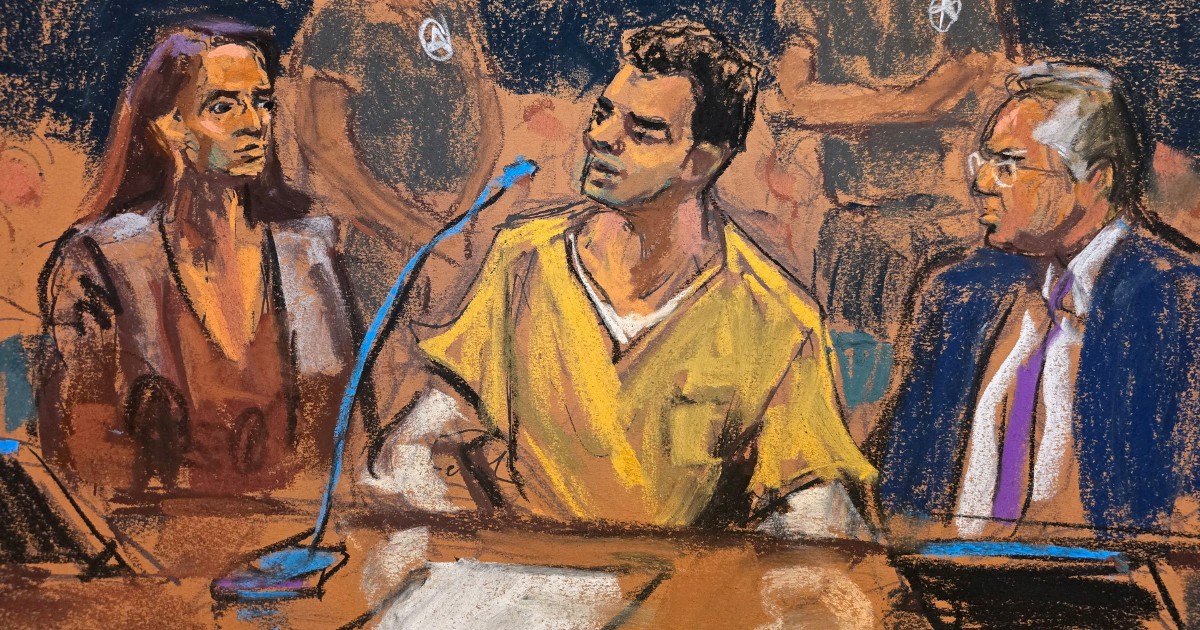
A man accused of fatally shooting a prominent US health insurance executive used his first courtroom appearance to articulate a grievance against the American healthcare system, attributing his alleged crime to chronic back pain and frustration with industry practices. The defendant's statement marked a dramatic moment in a case that has captured national attention, exposing deep public resentment towards health insurers and raising questions about how institutional failures might drive individuals toward violence.
The alleged shooter's explanation centered on personal suffering compounded by what he characterized as systemic barriers within the healthcare establishment. He framed his actions not as isolated criminal behaviour but as a form of protest against practices he believed harmed vulnerable patients. This narrative has resonated with segments of the American public who view health insurance companies as obstacles to affordable care, illustrating the volatile intersection between individual grievance and broader social frustration.
The case reflects mounting tension between American citizens and the insurance industry. Health insurers in the United States have faced sustained criticism over denial rates, rising premiums, and bureaucratic obstacles that delay or prevent patients from accessing necessary treatments. The defendant's invocation of healthcare concerns during his court proceedings suggests he sought to position himself as acting on behalf of those harmed by industry practices, a framing that some observers have found troubling as it appears to justify lethal violence.
Back injuries and chronic pain remain widespread public health challenges across developed nations. The defendant's insistence on connecting his physical suffering to his alleged crime underscores how untreated or inadequately managed pain conditions can intersect with psychological distress and ideological conviction. Mental health professionals have noted that chronic pain can contribute to depression, isolation, and in extreme cases, violent ideation, though such factors alone do not explain or excuse criminal acts.
For Malaysian readers, this case offers important context about healthcare system vulnerabilities in developed nations. While Malaysia's universal healthcare through the Ministry of Health provides coverage to all citizens, and private insurance markets remain more regulated, understanding failures elsewhere helps illustrate why strong government oversight of healthcare delivery remains essential. The pressure on insurers to deny claims for profit margins creates conflicts of interest absent from public healthcare systems.
The alleged shooter's courtroom statement represents a calculated attempt to reframe his actions within a broader critique of institutional injustice. Rather than presenting himself solely as a criminal actor, he attempted to construct a narrative of activism motivated by humanitarian concerns. Legal experts note this strategy could influence jury perceptions, though it complicates the moral and legal accountability that must accompany serious crimes.
Public reaction to the case has been unusually divided, with some expressing sympathy for critiques of the healthcare system while explicitly rejecting violence as a response. This nuance reflects genuine frustration with American healthcare outcomes and costs compared to other developed economies. The United States spends substantially more per capita on healthcare than comparable nations while achieving lower life expectancy and higher infant mortality rates, a disparity that fuels public anger.
The defendant's background as what some media described as an ordinary person before the alleged crime highlights the unpredictability of radicalization and violence. He had worked in the technology sector and displayed no prior criminal record, suggesting that political or ideological conviction, combined with personal suffering, can motivate individuals previously integrated into society to commit serious offences. This pattern raises questions for law enforcement about identifying warning signs before violence occurs.
Healthcare reform remains a contentious political issue in the United States, with insurance industry practices serving as a focal point for both progressive and conservative criticism. The defendant's alleged crime cannot and should not overshadow legitimate policy debates about healthcare access, affordability, and the appropriate role of profit incentives in systems designed to heal. However, this case demonstrates the dangerous potential when systemic frustration becomes channeled into individual violence.
The criminal justice proceedings will determine culpability and punishment according to law. Nevertheless, the case serves as a stark reminder that healthcare systems profoundly affect public wellbeing and social stability. When citizens perceive healthcare institutions as designed to deny rather than deliver care, when pain goes untreated due to bureaucratic obstacles, and when systemic failures accumulate without remedy, the potential for desperate acts increases.
Regional healthcare systems across Southeast Asia should monitor these developments carefully. While most countries in the region maintain different structural approaches to healthcare delivery, all face pressures from rising costs and demand for services. Maintaining public confidence in healthcare institutions requires transparency, accessibility, and genuine commitment to patient welfare rather than profit maximization. The case underscores how institutional legitimacy depends on demonstrable commitment to the populations served.

