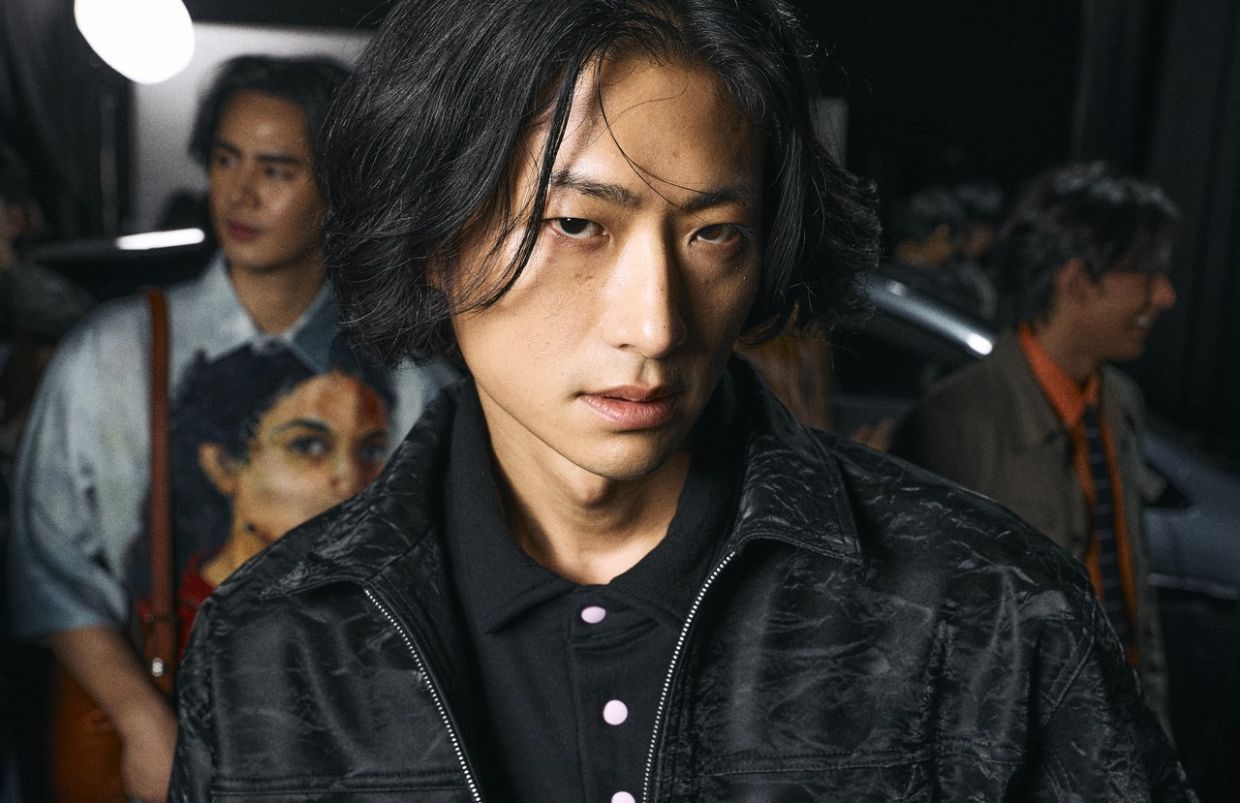
Heo Yong-jin's decision to trade the courtroom for the catwalk challenges conventional wisdom about when careers can truly begin. At 40 years old, the former litigation support lawyer at Kim & Chang—South Korea's most prestigious law firm—made the audacious leap into fashion modelling, a field typically dominated by youth and long-term industry connections. His unlikely trajectory has resonated far beyond the fashion world, accumulating four million views on social media and demonstrating that professional reinvention remains possible regardless of age or prior experience.
The seed for this transformation was planted unexpectedly while Heo was living in Spain in early 2023, ostensibly to pursue studies in sports management and the business side of talent representation. Rather than remaining isolated in academic pursuits, he found himself drawn into the fitness culture surrounding his classmates. Recreational activities like football and padel, a racket sport that has surged in popularity across Europe in recent years, became regular fixtures in his routine. The physical activity gradually reshaping his appearance caught the attention of his wife, who posed a simple but transformative question: why not explore modelling given his natural height of 188 centimetres?
The suggestion initially seemed incongruous with Heo's established identity as a legal professional. After spending a decade navigating the high-pressure environment of litigation support, the notion of pursuing an entirely different career track appeared impractical, particularly at an age when most people consolidate rather than revolutionise their professional identities. Yet Heo recognised that European markets, unlike his native South Korea, demonstrated considerable appetite for Asian male models. With only four months remaining on his Spanish visa, he made the consequential decision to pursue the opportunity seriously rather than dismiss it as a fleeting possibility.
Building a modelling portfolio from absolute zero required entrepreneurial initiative and perseverance. Without agency representation or industry connections, Heo independently hired photographers, curated his work, and directly approached potential clients through self-promotion. This bootstrap approach yielded results: he secured appearances in various commercial campaigns, including sunglasses advertisements and a notable insurance company spot where he portrayed a Malaysian father. These early successes validated the decision to pursue modelling and demonstrated that agencies were willing to book him for commercial work, regardless of his unconventional entry point into the industry.
The transition home to South Korea, however, exposed the structural barriers facing older entrants to the modelling profession. Domestic agencies consistently cited his age as a disqualifying factor, reluctant to invest time developing a new client approaching 40 with limited portfolio depth. Rather than accepting these rejections as terminal, Heo expanded his geographic search, systematically reaching out to agencies throughout Asia via email and portfolio submissions. This strategic persistence eventually yielded a response from a Thai agency, opening pathways to bookings across Southeast Asian markets that had proven more receptive to his profile than the Korean industry.
The trajectory accelerated dramatically when Heo received an invitation to participate in an exclusive Louis Vuitton trunk show in Bangkok during July 2024. The event, featuring a menswear collection developed through the collaboration between Pharrell Williams and Japanese designer Nigo, represented the pinnacle of high-fashion exposure available to emerging models. Walking in such a prestigious showcase at 40, with less than two years of modelling experience, constituted a remarkable achievement that defied industry expectations. Yet Heo's measured response—expressing awe at the opportunity while cautiously avoiding declarations of success—reflected realistic understanding of the volatility inherent in fashion careers.
Despite the undeniable prestige associated with the Louis Vuitton appearance, the booking failed to generate the expected cascade of major commercial opportunities. The vicissitudes of fashion remain unforgiving regardless of high-profile exposure, and a single prestigious credit does not guarantee sustained employment or career momentum. What the experience provided instead was psychological reinforcement: tangible evidence that major fashion houses could envision him as a viable model. This validation proved more significant than immediate financial returns, offering confidence that his career transition possessed substantive foundations rather than resting entirely on social media virality.
The psychological dimensions of Heo's career shift merit deeper consideration, particularly regarding authenticity and self-awareness in professional contexts. Throughout his decade in law, he acknowledges projecting confidence that did not reflect his genuine internal experience—a common accommodation made by professionals navigating competitive environments. Modelling paradoxically provided greater alignment between external presentation and internal experience, allowing him to express authentic personality while advancing commercial objectives. This existential satisfaction emerged as equally significant as financial compensation or industry prestige, addressing fundamental questions about meaningful work that persistently plague professionals in demanding corporate roles.
Heo's candid assessment of his circumstances reveals sophisticated understanding of trade-offs inherent in his decision. The financial precarity of modelling at 40, with limited savings accumulated and competing against established professionals, undoubtedly creates anxiety. Yet he demonstrates clarity that enhanced material stability achieved through continued legal practice would not have generated proportional improvements in life satisfaction. The uncertainty that characterises his current trajectory, while occasionally frightening, delivers psychological rewards that a secure but uninspiring legal career never provided. This perspective holds particular resonance for Southeast Asian readers navigating pressures toward occupational stability in culturally conservative environments that frequently prioritise security over fulfilment.
Currently, South Korean brands have begun extending inquiry inquiries, including requests for fashion lookbook features that represent meaningful progress toward consistent domestic work. The immediate horizon includes ambitious aspirations toward Milan and Paris fashion weeks, scheduled for late September through early October, where major fashion houses including Prada, Bottega Veneta, Saint Laurent, and Tom Ford present seasonal collections. Securing representation with agencies capable of facilitating such placements remains essential, yet Heo's demonstrated ability to navigate industry barriers and create opportunities through determination suggests capacity to overcome these remaining obstacles.
The broader implications of Heo's journey extend beyond personal narrative into questions about aging, professional reinvention, and societal assumptions regarding career trajectories. His success—measured not merely in commercial bookings but in achieving greater authenticity and satisfaction—demonstrates that inflexible timelines regarding career progression impose artificial constraints. For Southeast Asian professionals, particularly those in established fields like law, medicine, or finance, Heo's example provides permission to reconsider whether current professional identities genuinely align with personal values and aspirations. The financial risks associated with such transitions remain real, yet his experience suggests those risks warrant serious consideration rather than dismissal based on age or conventional career narratives.

