Two hundred motorcyclists in the Renggam area of Kluang received RM5 fuel vouchers on June 25 as part of a government-led initiative designed to ease the financial pressures facing working-class Malaysians navigating rising living costs. The distribution marked a concrete intervention in support of a demographic that relies heavily on two-wheeled transport for their daily commute and livelihoods across Johor's towns and villages.
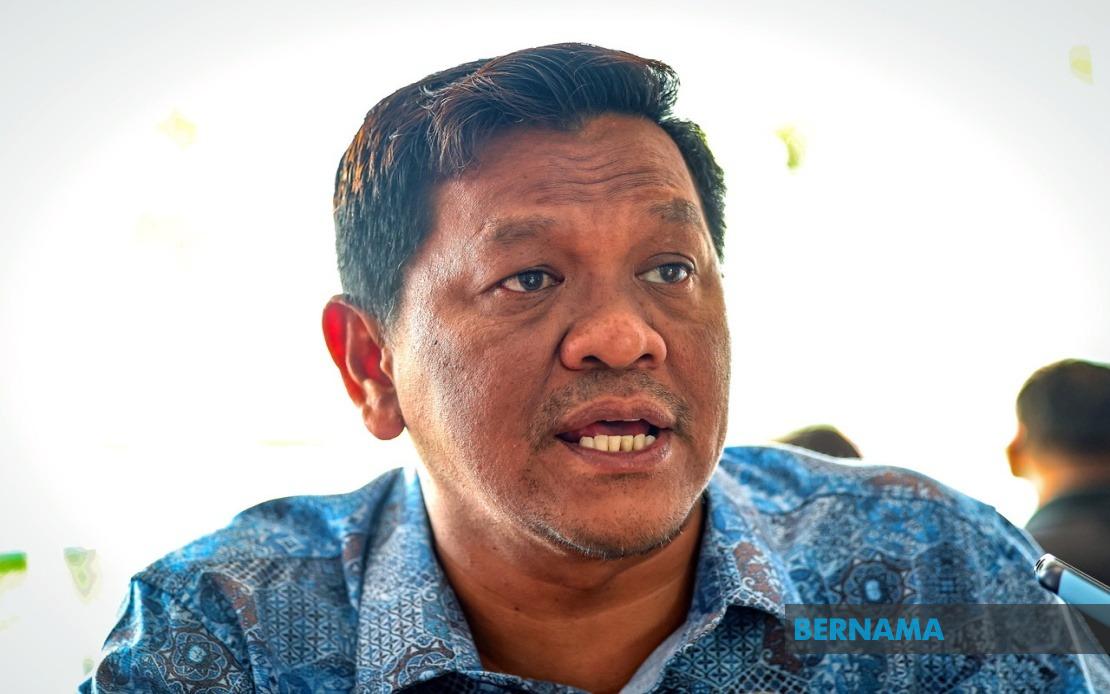
Abdullah Izhar Mohamed Yusof, political secretary to the Communications Minister, framed the voucher scheme as evidence of governmental commitment to public welfare and national cohesion. Speaking at the Jiwa@Komuniti MADANI Sembang Santai World Cup Edition programme in Kluang, he positioned the initiative within the broader MADANI development framework, which emphasises bottom-up engagement and responsive policymaking. The scheme reflects a strategic approach to maintaining political legitimacy through direct support mechanisms that tangibly improve household budgets for modest-income families.
According to Abdullah Izhar, the voucher distribution was not a one-off gesture but rather the opening phase of an ongoing programme scheduled for regular repetition. This commitment to sustainability distinguishes the effort from temporary relief measures, suggesting institutional backing from the National Security Council (MKN) and integrated support across multiple government departments. The intention to embed such initiatives into standard practice indicates recognition that fuel costs represent a persistent burden for motorcycle-dependent communities, particularly in areas where public transport options remain limited.
The event served multiple functions beyond simple voucher handover. Alongside the distribution, government representatives conducted briefings on current national issues and facilitated dialogue sessions enabling locals to raise concerns and propose solutions. This participatory element involved coordination between the National Security Council, the Information Department (JaPen), and the Department of Community Communications (J-KOM), signalling a coordinated effort to strengthen information flows and institutional trust at the grassroots level.
Accessibility to reliable, government-verified information remains a persistent challenge in Malaysian communities where misinformation and rumour can undermine public confidence. By bringing together departmental representatives alongside financial assistance, the programme attempted to accomplish dual objectives: material relief and epistemic anchoring. Residents gained direct access to authoritative sources explaining government policies and development initiatives whilst simultaneously benefiting from tangible support. This integration of material and communicative dimensions reflects contemporary governance thinking about how to rebuild civic trust.
Abdullah Izhar articulated an expansive vision for such outreach efforts, pledging that the government would intensify comparable programmes across the nation to ensure equitable access to both financial assistance and accurate policy information across all social segments. This declarative commitment to nationwide expansion carries implications for budgetary planning and administrative capacity. For motorcycle-dependent populations in rural and semi-urban areas across Peninsular Malaysia, Sabah, and Sarawak, such promises signal a potential shift toward more targeted, regular direct assistance programmes complementing existing universal schemes.
The beneficiaries themselves provided candid perspectives on the initiative's value and limitations. M. Raja, a 56-year-old resident of Taman Sri Jaya and father of five, expressed genuine appreciation while simultaneously indicating that monthly distributions would represent a more transformative intervention. His measured gratitude—thankful yet hopeful for enhancement—reflects the pragmatic calculations of households stretched by fuel, food, transport, and childcare expenses. For a motorcyclist supporting five dependents on modest income, even RM5 provides meaningful relief, yet monthly provision would yield approximately RM60 annually, addressing chronic rather than episodic financial stress.
Similarly, Hee Eeck Kwe, a 66-year-old from Kampung Baru, emphasised the programme's symbolic importance in signalling governmental recognition of rural communities. His appreciation underscores how such initiatives function beyond their immediate monetary value, affirming that peripheral populations receive policy attention and resource allocation. In Malaysian contexts where rural-urban disparities persist across infrastructure, healthcare, and educational quality, visible government presence carrying material support serves legitimating functions for state institutions.
The focus on motorcyclists deserves particular analytical attention within Malaysia's development landscape. Motorcycles constitute the dominant personal transport mode for lower-income workers, small traders, and rural residents across the nation. Unlike automobile drivers benefiting from highway infrastructure investment and corporate fleet policies, motorcycle users remain largely invisible in elite transport policy discussions centred on roads, toll structures, and public transit systems. Targeting this demographic signals recognition of transport realities for non-affluent Malaysians and implicit acknowledgment that fuel price volatility disproportionately impacts two-wheeler dependent households.
The Renggam initiative emerges amid broader economic conditions affecting purchasing power across Southeast Asia. Fuel prices remain subject to global petroleum market dynamics beyond immediate government control, whilst inflation pressures span food, utilities, and transport sectors. Within this context, modest fuel vouchers function as politically visible interventions demonstrating governmental responsiveness, even where they address symptoms rather than underlying cost structures. For motorcyclists, cumulative small interventions across multiple programmes potentially aggregate into meaningful household budget relief.
Expanding such programmes nationwide would require substantial institutional coordination and budgetary commitment. The involvement of MKN, JaPen, and J-KOM suggests that policymakers conceptualise these initiatives as integrated components of broader communication strategy alongside material assistance. Whether sustainability extends beyond initial phases, whether distributions reach comparative numbers across diverse regions, and whether programmes evolve toward addressing systemic transport affordability challenges remain open questions. The Renggam case provides a tangible foundation for assessing whether grassroots engagement initiatives translate into sustained, equitable policy frameworks benefiting Malaysia's substantial motorcycle-dependent population.

