Gardeners concerned about soil quality and environmental health increasingly face an overlooked threat: microplastics seeping into the earth from ordinary gardening equipment and supplies. As plastic products break down over time into microscopic fragments, they penetrate garden soil and contaminate the food we grow, raising alarm among environmental advocates and agricultural experts across Southeast Asia.
The problem extends far beyond what most home gardeners realize. Microplastics originate from countless household items—food storage containers, kitchen utensils, detergent bottles, and synthetic fabrics—all of which eventually fragment into particles small enough to infiltrate water systems, crops, and even human bodies. Scientists have documented these particles in drinking water, fresh produce, and biological samples worldwide, yet the connection between garden practices and microplastic accumulation remains underappreciated in the region.
Within garden soil itself lies a complex ecosystem of millions of beneficial microorganisms—bacteria, fungi, and other life forms essential for plant growth and nutrient cycling. When microplastics accumulate in this delicate environment, they disrupt these relationships and potentially alter soil chemistry in ways researchers are still working to understand fully. The challenge facing environmentally conscious gardeners is determining how to minimize their personal contribution to this growing contamination while still maintaining productive, healthy gardens.
One effective strategy involves replacing conventional plastic seed trays with soil-blocking kits, an increasingly popular method among sustainable gardeners. These kits use metal moulds to compress a carefully balanced mixture of compost, peat moss, perlite, and nutrients into freestanding cubes that eliminate the need for plastic containers entirely. Beyond eliminating plastic waste, the soil-blocking method offers horticultural advantages: seedlings develop denser root systems through air-pruning, a process where roots naturally pause and branch when exposed to air rather than circling inside a pot's walls. This results in stronger plants that establish themselves more efficiently once transplanted into garden beds.
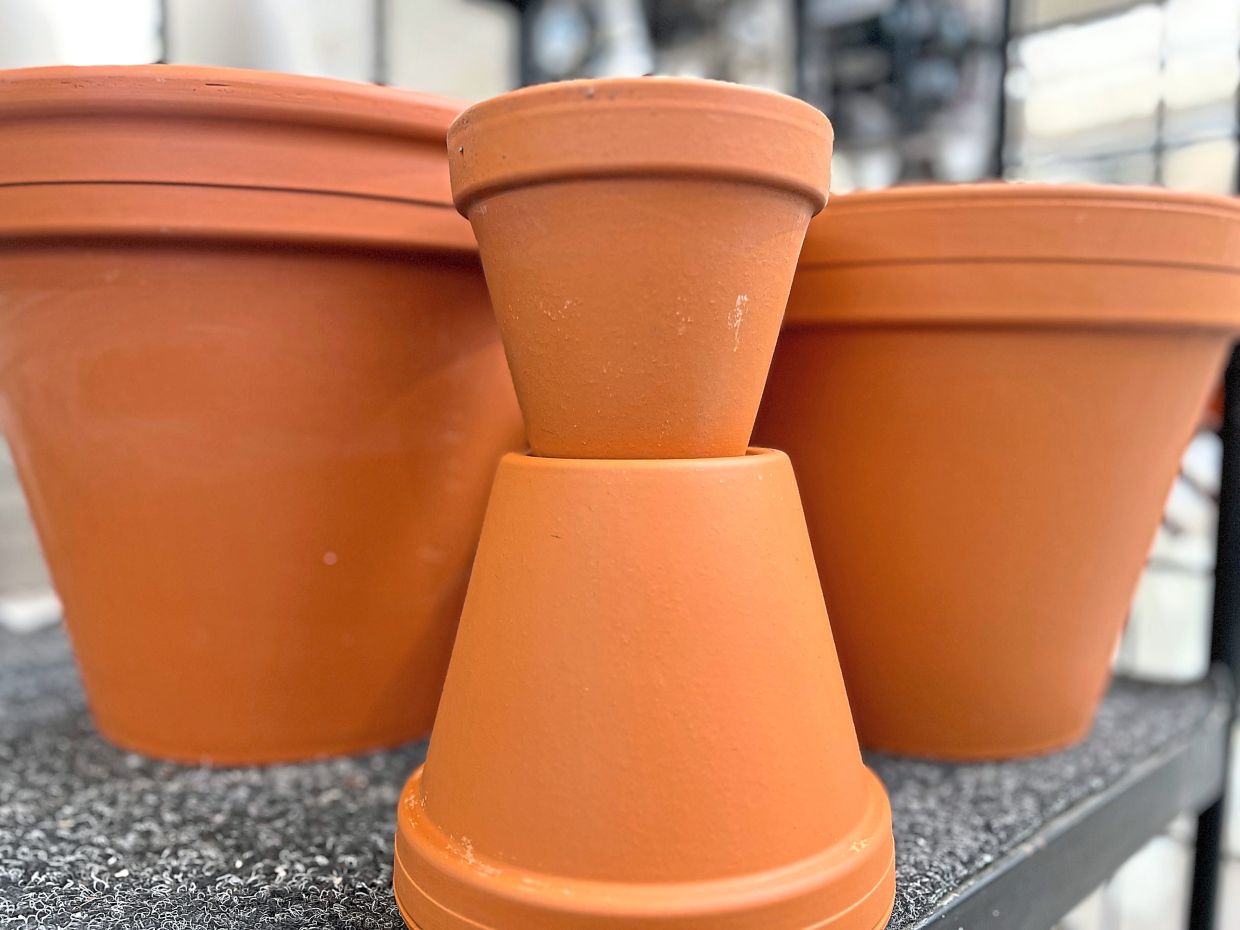
For those seeking alternatives without undertaking a soil-blocking project, biodegradable options have become increasingly accessible. Pots and trays manufactured from coir—coconut fibre waste—or composted manure provide temporary growing vessels that eventually break down harmlessly. For larger, longer-term plantings, natural materials like wood and terracotta offer durability without synthetic chemical concerns. Fabric grow bags, particularly those made from natural fibres rather than synthetic polymers, have gained popularity for root vegetables, herbs, and tomatoes across Malaysian and Southeast Asian gardens, with specialized designs for potatoes featuring convenient roll-up harvest doors.
Purchasing bare-root plants rather than those in plastic containers represents another straightforward reduction strategy. This approach not only eliminates plastic pot waste but also typically costs less than conventionally potted specimens, providing immediate financial incentive alongside environmental benefit. The cumulative effect of choosing bare-root plants for even a portion of each season's plantings significantly reduces plastic consumption over time.
Composting offers perhaps the most comprehensive solution for gardeners seeking to minimize both plastic use and purchased soil amendments. By creating an on-site compost system, gardeners eliminate plastic bag waste, reduce or eliminate the need to purchase bagged compost and fertilizer, and gain complete transparency regarding what materials enter their soil. Those unable to maintain compost piles can purchase bulk compost at lower cost than bagged alternatives, reducing packaging waste while saving money—a particularly appealing combination for budget-conscious households.
Beyond soil preparation, gardeners should reconsider protective coverings and plant supports throughout their gardens. Canvas tarps represent the obvious alternative to plastic sheeting, while landscape fabric—often made from plastic fibres—should be replaced entirely with natural materials including shredded bark, wood chips, or dried leaves for weed suppression. In fire-prone regions throughout Southeast Asia, gravel provides both practical weed control and superior fire safety compared to organic materials. Similarly, supporting structures for climbing plants and tall vegetables can shift entirely to renewable resources: bamboo stakes, wooden supports, natural twine made from hemp or jute, and even simple wooden popsicle sticks for plant labelling eliminate the need for plastic alternatives.
When purchasing plastic products proves unavoidable, prioritization becomes essential. Gardeners should reject single-use, flimsy seed trays and other disposable plastic items in favour of sturdy, durable equipment designed to last for many growing seasons. A single well-constructed plastic tray reused annually for ten or more years represents a fundamentally different environmental calculus than purchasing disposable alternatives repeatedly.
The transition toward plastic-free gardening practices aligns with growing consumer awareness throughout Malaysia and the broader Southeast Asian region regarding environmental stewardship. Individual choices, while modest in isolation, accumulate into meaningful systemic change when adopted across community gardens, school projects, and household food production systems. By reconsidering the plastic infrastructure of gardening—from soil preparation through plant support—gardeners protect both their immediate food systems and contribute meaningfully to reducing microplastic contamination in regional soil ecosystems for future generations.

