The humanitarian crisis in Gaza has deepened as the Palestinian Health Ministry announced that 10 Palestinians were killed and 25 injured over a 24-hour period ending Thursday, bringing the overall death toll since October 2023 to 73,417. The escalating casualty figures underscore the persistent volatility across the blockaded territory despite the establishment of a formal ceasefire mechanism intended to halt the violence.
According to the Health Ministry's daily report, Gaza's medical facilities received 10 bodies alongside 25 newly injured patients within the reporting period. The ministry attributed these casualties to continued Israeli military operations, noting that the Israeli army has repeatedly violated the October 2025 ceasefire through sustained shelling and gunfire across multiple locations within the enclave. This pattern of escalation highlights the fragility of the current truce arrangement and raises serious questions about its sustainability and enforceability.
The nature and circumstances of the latest casualties remain unclear due to ongoing operational constraints. The ministry emphasised that additional victims are believed to remain trapped beneath collapsed structures and scattered across roads throughout Gaza, while ambulance services and civil defence personnel continue facing severe restrictions in accessing affected areas. This inability to reach casualties—whether for rescue or recovery—compounds the humanitarian toll and prevents accurate documentation of the full extent of losses.
Since the October 2025 ceasefire officially commenced, documented violations have resulted in 1,283 deaths and 4,248 injuries, according to the Health Ministry's tracking. These figures reveal that the ceasefire has failed to create meaningful protection for civilians, with hostilities persisting at levels that suggest fundamental disagreements persist between parties regarding implementation and compliance. For Malaysian observers, this pattern is particularly significant given Malaysia's consistent advocacy for Palestinian rights within international forums.
The cumulative casualty figures paint a stark picture of the 10-month conflict's devastating impact. Beyond the 73,417 deaths recorded, the Health Ministry reports 174,360 wounded across Gaza's population. These numbers represent not merely statistics but represent families fractured, communities devastated, and generational trauma embedded within a population that has endured relentless violence. The psychological and social consequences extend far beyond those physically injured, affecting millions who have witnessed unprecedented destruction.
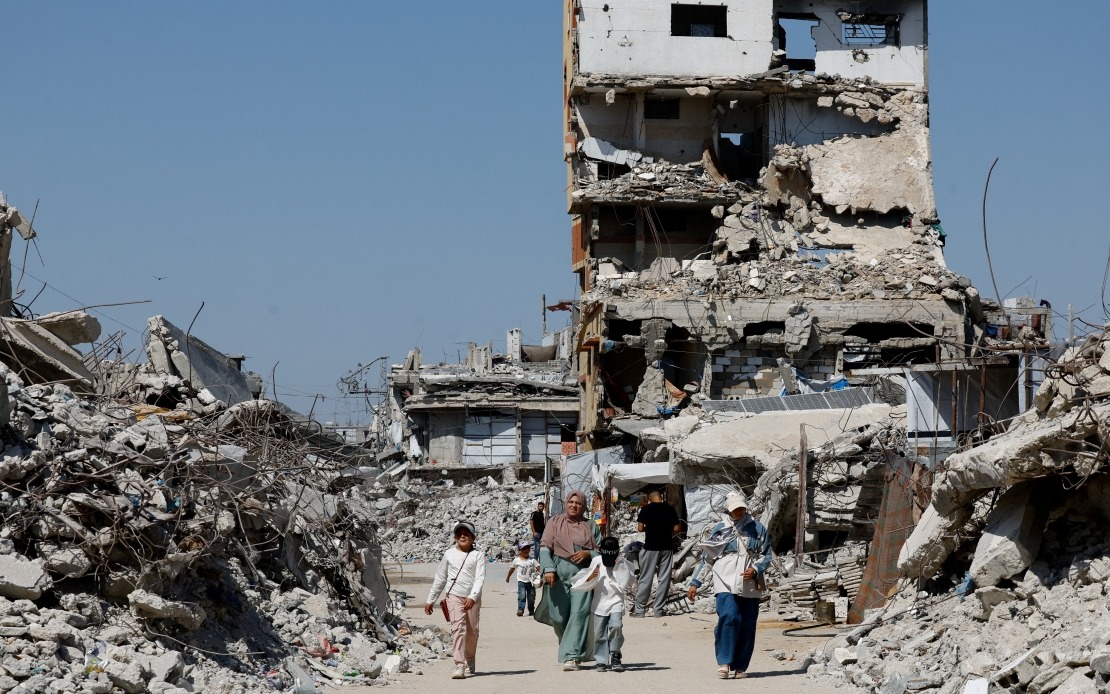
The physical destruction paralleling the human toll has been catastrophic. United Nations assessments indicate that approximately 90 percent of Gaza's civilian infrastructure has been damaged or destroyed, encompassing residential areas, hospitals, schools, water systems, and commercial facilities essential for normal functioning. The UN has estimated reconstruction costs at approximately US$70 billion—a staggering figure that underscores the scale of devastation and signals the decades-long recovery process the territory faces.
From a Southeast Asian perspective, the Gaza situation carries particular resonance given the region's significant Muslim population and historical commitment to supporting Palestinian self-determination. Malaysia, as an active member of the Organisation of Islamic Cooperation and a vocal advocate within the United Nations, has positioned itself as a champion of Palestinian rights. The continuation of ceasefire violations demonstrates the limitations of international diplomatic efforts and raises questions about the effectiveness of mechanisms designed to protect civilian populations during armed conflicts.
The healthcare system's capacity to document and respond to casualties is itself severely compromised. With hospitals struggling to function amid shortages of supplies, fuel, and personnel, the official figures likely represent underestimates of actual casualties. Many deaths occurring in remote areas or among those unable to reach medical facilities may never be formally recorded, meaning the true human cost of the conflict may be substantially higher than documented figures suggest.
The pattern of ceasefire violations also reveals deeper structural issues regarding accountability and enforcement mechanisms. Without robust international mechanisms capable of compelling compliance, ceasefire agreements risk becoming hollow arrangements that fail to protect civilian populations. This reality challenges the international community's approach to conflict resolution in the region and suggests that sustainable peace requires addressing underlying political issues rather than relying solely on military cessations.
For Malaysian policymakers and regional observers, the escalating Gaza death toll serves as a sobering reminder of the consequences when international humanitarian law remains unenforced. As ASEAN nations navigate their own regional security challenges, the Gaza situation provides cautionary lessons about the importance of establishing credible dispute resolution mechanisms and ensuring accountability for violations of international law. The humanitarian imperative to protect civilian populations transcends political boundaries and demands sustained international attention.

