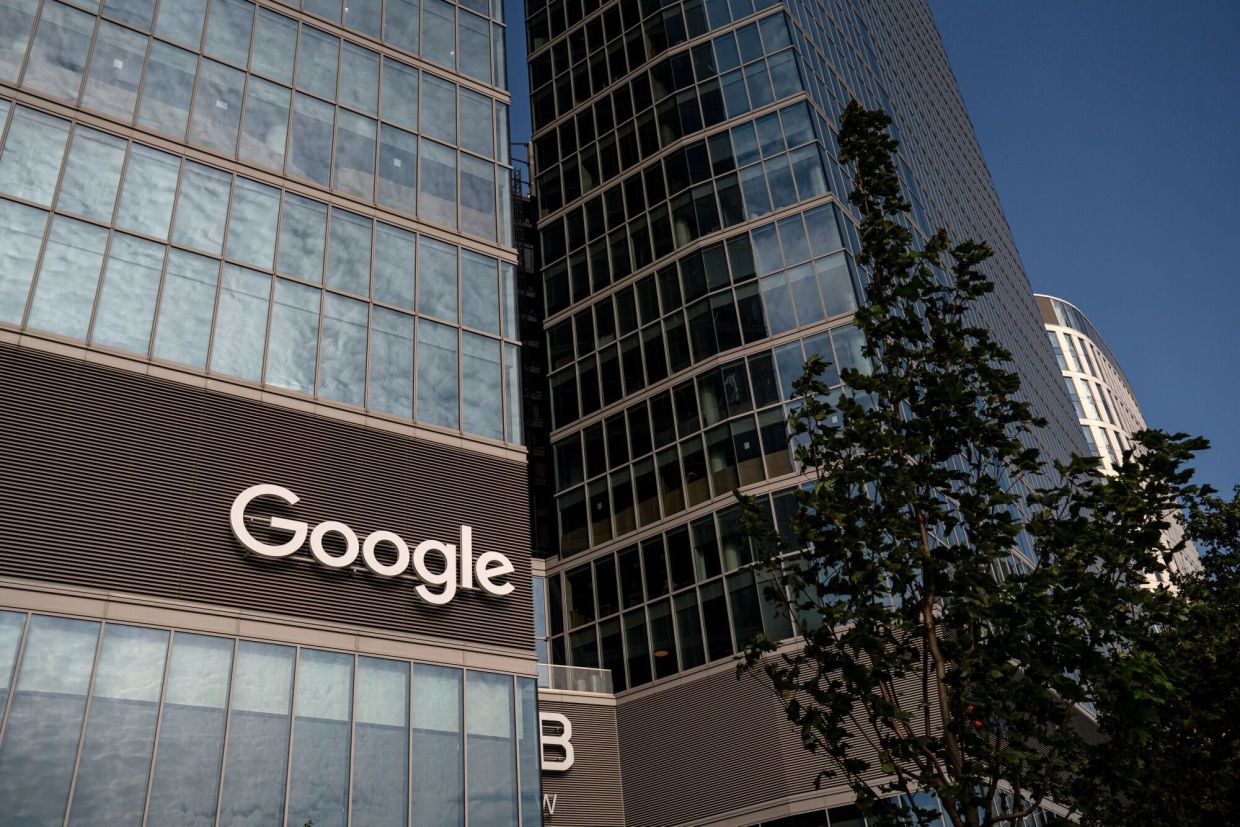
The irony is stark: Google, one of the world's most aggressive promoters of artificial intelligence tools for corporate recruitment, cannot fully trust its own hiring algorithms. The company's DeepMind division—specifically its AGI Safety and Alignment Team, tasked with managing risks from advanced AI systems—has taken the unusual step of asking job candidates to bypass the company's standard application process entirely. This candid acknowledgment from one of Silicon Valley's most prominent AI laboratories reveals deep-seated anxieties about how algorithmic hiring systems actually perform in practice.
According to internal documentation reviewed by Bloomberg, Google DeepMind's safety team distributed a confidential form to prospective employees, explicitly warning them that the company's ordinary recruitment filters carry a "non-trivial probability" of incorrectly screening out qualified candidates or causing applications to languish in the system indefinitely. The team encouraged applicants to complete this separate form to ensure a human reviewer would actually examine their credentials. The confidential nature of the document itself—stamped with instructions not to share it widely—suggests Google was aware of how damaging such an admission might appear to clients and the broader market.
This contradiction exposes a fundamental tension in the current AI hiring landscape. Google's Workspace division aggressively markets AI-powered recruitment features to business customers, promoting tools that promise to "save HR time by quickly creating drafts for job postings, evaluating resumes, and forecasting hiring needs." The pitch is appealing to cost-conscious corporations eager to streamline expensive human resources operations. Yet Google's own researchers, who understand AI systems intimately, have lost confidence in these very tools when their own talent acquisition is at stake. For Malaysian and regional businesses considering adopting similar technologies, this should prompt critical questions about whether convenience and cost savings justify potential blind spots in hiring decisions.
A Google DeepMind spokesperson attempted to reframe the situation, denying that the company's systems filter applicants incorrectly and insisting that the special form was merely designed to help candidates reach the hiring team more directly, similar to an internal referral mechanism. The spokesperson emphasized that "there are no shortcuts to getting hired," suggesting the alternative form simply accelerated the path to human review rather than indicating systemic flaws. However, this characterization sits uncomfortably with the team's own warning language, which explicitly flagged risks of incorrect screening and processing delays—problems that would not require a workaround if the system functioned reliably.
The broader recruitment AI industry has faced mounting scrutiny regarding potential discrimination and bias. A Bloomberg investigation discovered that OpenAI's widely-used ChatGPT demonstrated signs of bias based on applicants' names, raising questions about whether AI systems trained on historical hiring data inadvertently perpetuate existing employment discrimination. More seriously, Workday Inc., which provides workplace management software used by thousands of organizations globally, faces a lawsuit alleging that its AI hiring systems systematically screen out applicants based on protected characteristics including race, age, and disability status. Though Workday has denied these allegations and maintains that humans ultimately make hiring decisions, the legal challenge highlights genuine concerns about how opaque algorithmic decision-making can entrench discrimination at scale.
For employers across Southeast Asia evaluating recruitment technology, these cases demonstrate that AI hiring tools are not neutral arbiters of talent. The systems work only as well as their training data, their design assumptions, and the oversight mechanisms built around them. Many organizations implementing these tools lack the technical expertise to audit their own systems for bias or malfunction, creating liability risks that extend beyond mere hiring inefficiency.
Interestingly, the Google DeepMind team's caution extends beyond concerns about false rejections. The form included advice that human reviewers "get really tired of reading LLM answers, because they all sound very samey," warning candidates against using large language models like ChatGPT to compose application materials. This acknowledgment reveals another layer of the AI hiring arms race: as candidates increasingly use AI to generate competitive application materials, reviewers become desensitized to AI-generated prose, potentially disadvantaging applicants who rely on these tools to overcome language barriers or other obstacles. The warning inadvertently highlights how AI deployment in hiring creates cascading effects that are difficult to predict or control.
The phenomenon of job seekers gaming AI filters has become increasingly common. Applicants have discovered various strategies to circumvent automated screening—everything from keyword stuffing to submitting multiple variations of their applications. Some candidates leverage AI to generate dozens of tailored applications in the time it would take to craft one traditional resume, effectively overwhelming the system with volume. While this behavior reflects rational responses to impersonal automated gatekeeping, it further degrades the quality of data flowing through these systems, potentially making algorithmic screening even less reliable over time.
The episode also raises uncomfortable questions about corporate transparency and honesty. Google did not voluntarily disclose concerns about its recruitment systems; the information emerged only through leaked documentation. Many other companies deploying similar hiring AI may harbor equivalent doubts without communicating them to either job seekers or their business customers. This asymmetry of information—where companies marketing AI hiring tools may not fully disclose known limitations—warrants regulatory attention, particularly as these systems become more prevalent across developed and developing economies.
For Southeast Asian organizations, the Google DeepMind situation offers practical lessons. Before adopting AI hiring systems, companies should demand transparency about how the algorithms work, what training data they use, and what performance testing has been conducted. Organizations should maintain meaningful human review of any automated screening results, especially for candidates screened out by the system. Additionally, companies should periodically audit their hiring outcomes by demographic group to identify patterns that might indicate algorithmic bias or malfunction. The gold standard should be human judgment enhanced by AI insights, not human judgment replaced by opaque automated systems.
The incident also underscores a broader credibility challenge for the AI industry. When the companies most enthusiastically promoting AI solutions for business operations simultaneously lose faith in those same solutions for their own purposes, it inevitably raises questions about whether the technology is genuinely ready for widespread deployment or whether commercial incentives are driving adoption ahead of actual reliability. This gap between marketing claims and internal confidence will likely become more visible as more organizations gain practical experience with AI hiring systems and openly discuss their limitations.

