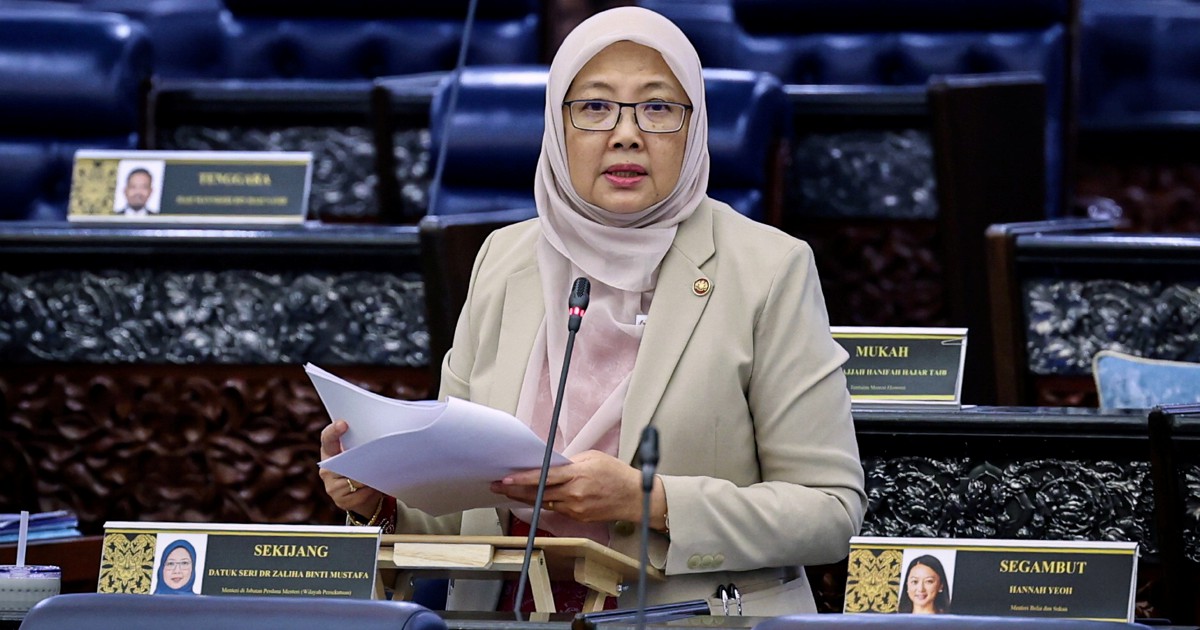
Datuk Dr Zaliha Mustafa, who chairs the Government Backbenchers Club, has expressed sharp displeasure at Perikatan Nasional (PN) MPs for abandoning a parliamentary chamber during deliberations on the highly contentious Royal Commission of Inquiry (RCI) findings concerning Lembaga Tabung Haji (TH). The walkout occurred during a specially convened sitting of the Dewan Rakyat designed to examine the financial irregularities and governance failures documented in the TH investigation.
The incident represents a notable escalation in tensions between the governing coalition and the opposition bloc within Parliament, particularly over matters affecting millions of Malaysian Muslims who hold savings with the pilgrimage fund. The Tabung Haji RCI report has emerged as a flashpoint for political discourse given the serious allegations it contains regarding financial mismanagement and the potential loss of depositors' funds accumulated for the sacred Islamic journey.
Zaliha's criticism underscores the government's determination to ensure comprehensive parliamentary scrutiny of the inquiry's conclusions and recommendations. By staging a withdrawal from the chamber, PN MPs effectively denied themselves the opportunity to directly challenge or question the findings, instead opting for a protest strategy that many government figures view as obstructionist and disrespectful to legislative procedure.
The Royal Commission of Inquiry into Tabung Haji's operations follows mounting public concern over the institution's financial health and transparency. Over decades, the organisation has served as a trusted repository for Muslims saving toward hajj pilgrimages, making its governance and fiscal integrity matters of significant national importance. Any suggestion of mismanagement strikes at the heart of public confidence in one of Malaysia's most valued financial institutions.
Parliamentary debates on RCI reports traditionally provide opposition MPs with platforms to voice grievances, propose alternative interpretations of findings, and pressure the government on remedial actions. By absenting themselves, PN representatives forfeited an opportunity to defend their party's positions or present dissenting viewpoints on record, a strategic choice that government lawmakers have characterised as an abdication of parliamentary responsibility.
The broader political context shapes how this confrontation should be understood. PN, comprising primarily Parti Islam Se-Malaysia (PAS) and Bersatu, has positioned itself as an alternative to the current government coalition. Parliamentary theatrics, including selective attendance and strategic withdrawals, form part of the opposition playbook in Malaysia's increasingly polarised political environment. However, critics contend that such tactics, when deployed regarding matters of public trust and financial accountability, risk appearing dismissive of ordinary Malaysians' legitimate concerns.
Zaliha's vocal response signals that government backbenchers will not let such actions pass without comment or consequence in the court of public opinion. The Government Backbenchers Club, while technically distinct from the official government, generally represents views aligned with the ruling coalition's messaging apparatus. Her intervention therefore carries implicit endorsement from the administration's political machinery.
The Tabung Haji situation carries particular salience for Malaysia's Muslim-majority population, affecting an estimated five million account holders whose accumulated savings represent generations of devotion to completing the Islamic pillar of hajj. When governance scandals touch such deeply held aspirations and life goals, political divisions can cut across normal partisan boundaries. Families who have contributed diligently to TH accounts view themselves as stakeholders with legitimate claims on the institution's transparency and proper stewardship.
The walkout incident also reflects the challenging parliamentary dynamics facing Malaysia's current government coalition, which depends on narrower legislative margins than previous administrations. With opposition cooperation sometimes unpredictable, government business progresses through careful choreography. When opposition MPs refuse even to engage in debate, it complicates the government's ability to build consensus around reform programmes the RCI may have recommended.
Looking ahead, the confrontation raises questions about how Parliament will oversee implementation of any RCI recommendations and whether PN's absence signals a broader boycott strategy on this portfolio. The government will likely pursue its agenda despite opposition resistance, but unresolved parliamentary tensions may impede the cross-party cooperation some reforms might require for meaningful change in TH's governance structures and operational protocols.
For Malaysian citizens dependent on TH and Muslim depositors nationwide, the parliamentary discord underscores the political dimensions of what should ultimately remain a straightforward accountability question: how did critical management failures occur, and what concrete measures will prevent recurrence? While politicians debate parliamentary decorum, the fundamental obligation to restore public confidence in Tabung Haji remains paramount.

