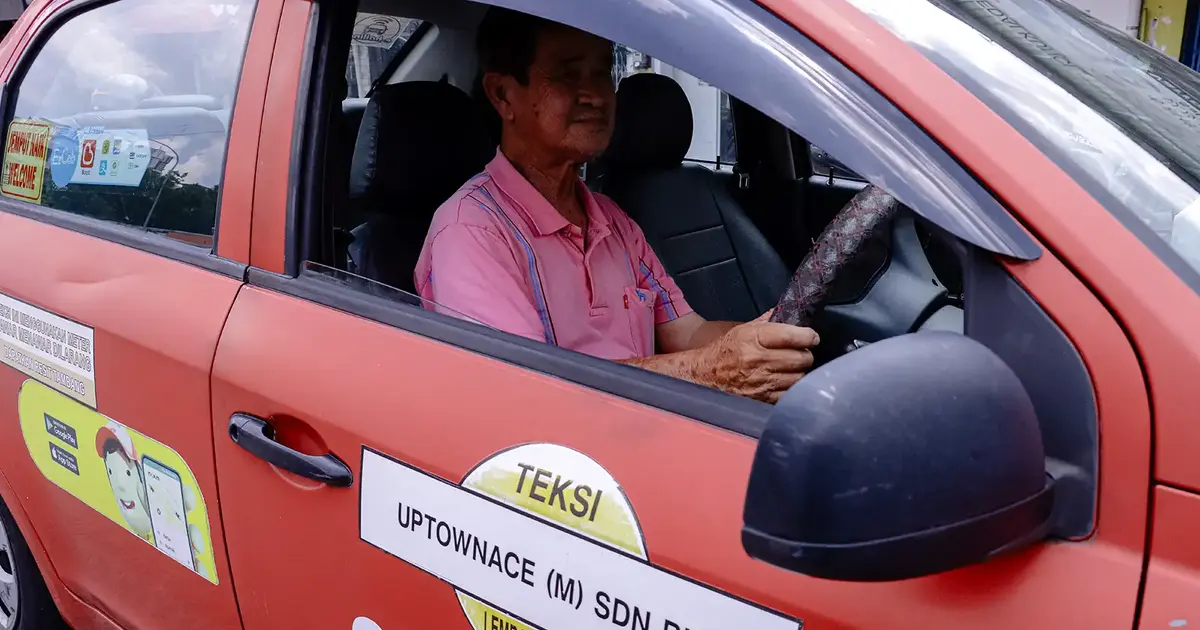
Prime Minister Anwar Ibrahim has announced a supplementary RM10 million allocation targeted at Malaysia's taxi driver community, underscoring the government's recognition of their essential position within the country's transport infrastructure and tourism ecosystem. The decision reflects a broader policy shift toward acknowledging and supporting ground-level workers who, though often overlooked, play a significant role in shaping perceptions of the nation among foreign visitors and domestic travellers alike.
Taxi drivers operate at the frontline of Malaysia's service sector, serving as informal ambassadors who interact directly with international tourists and business visitors at airports, hotels, and transport hubs. Anwar Ibrahim's characterization of these workers as frontliners highlights an understanding that their professionalism, courtesy, and local knowledge contribute substantially to Malaysia's hospitality reputation. This framing elevates their status beyond mere transportation providers to active participants in national soft power and economic competitiveness through tourism.
The timing of this allocation carries significance against the backdrop of Malaysia's recovery narrative following pandemic-related disruptions. Taxi operators have endured substantial income losses over recent years as ride-sharing platforms gained market dominance and travel volumes fluctuated. The government's intervention suggests acknowledgment that market forces alone have not adequately addressed the vulnerabilities of traditional taxi operators who lack the technological infrastructure and capital reserves of digital competitors.
Details regarding the distribution mechanism and eligibility criteria for these funds remain a subject requiring clarification. Whether the allocation will be disbursed through direct subsidies, operational grants, vehicle maintenance support, or skills development programs will determine its practical impact on drivers' livelihoods. Transparency in fund allocation processes is essential to ensure that resources reach intended beneficiaries efficiently rather than becoming absorbed by administrative layers or intermediary organizations.
The announcement resonates within Malaysia's broader conversation about gig economy protections and traditional worker support. Taxi drivers occupy a middle ground between formal employment and independent contracting, often lacking comprehensive social security coverage that salaried workers enjoy. Additional monetary support must ideally accompany institutional reforms that address healthcare access, retirement provisions, and occupational safety standards specific to the transport sector.
For Malaysian readers reliant on taxi services, government support for drivers carries indirect benefits. Better-compensated taxi operators are more likely to maintain vehicle standards, enhance service quality, and remain motivated to provide reliable transport options. This creates a positive feedback loop where investment in driver welfare translates to improved passenger experiences and service reliability across urban and suburban areas.
Regionally, Malaysia's approach to traditional transport worker support offers lessons for neighbouring Southeast Asian economies grappling with similar challenges. As Thailand, Indonesia, and the Philippines contend with the displacement effects of ride-sharing platforms, observing how Malaysia implements and measures the effectiveness of its RM10 million initiative could inform policy decisions across the region. Evidence-based outcomes from this allocation may establish benchmarks for government intervention in transport labour markets.
The broader economic implications deserve consideration. The taxi industry supports ancillary businesses including fuel stations, maintenance workshops, insurance providers, and parking facilities. By sustaining taxi driver incomes, the government indirectly supports these interconnected economic ecosystems, particularly in smaller towns where taxi operations represent significant employment sources. Rural and secondary urban areas, which often lack robust public transport networks, depend heavily on taxis for mobility.
Critical examination of whether RM10 million constitutes adequate support remains necessary. Compared to total government expenditure and the size of Malaysia's taxi driver workforce, which numbers in the tens of thousands, the per-driver allocation warrants scrutiny. Effective policy requires honest assessment of whether this represents genuine structural support or symbolic gesture, and whether complementary measures addressing technological adaptation and competitive positioning will accompany the financial injection.
Longer-term sustainability requires moving beyond one-time allocations toward systemic solutions. Facilitating driver access to digital platforms, supporting fleet modernization toward electric vehicles aligned with Malaysia's sustainability goals, and establishing cooperative business models that enhance collective bargaining power could create enduring improvements. The government's willingness to allocate resources should be matched by commitment to structural reforms that address root causes of taxi operator vulnerability.
The announcement also carries political dimensions worth noting. Support for taxi drivers responds to a constituency with visible presence and electoral significance, particularly in urban constituencies where these workers and their families represent measurable voter blocks. Recognition of their contribution to national image and economic activity aligns with broader government messaging about inclusive growth and dignity for all workers regardless of educational background or professional status.
Moving forward, accountability mechanisms should track how effectively the RM10 million improves driver circumstances, whether income stability increases, whether service quality metrics improve, and whether taxi operators gain competitive ground against digital alternatives. Public reporting on fund disbursement and outcome metrics would demonstrate government commitment to transparency and evidence-based policymaking. The taxi driver community deserves not only financial support but also recognition that their concerns are being monitored and addressed through measurable policy outcomes that extend beyond announcement and allocation phases.

