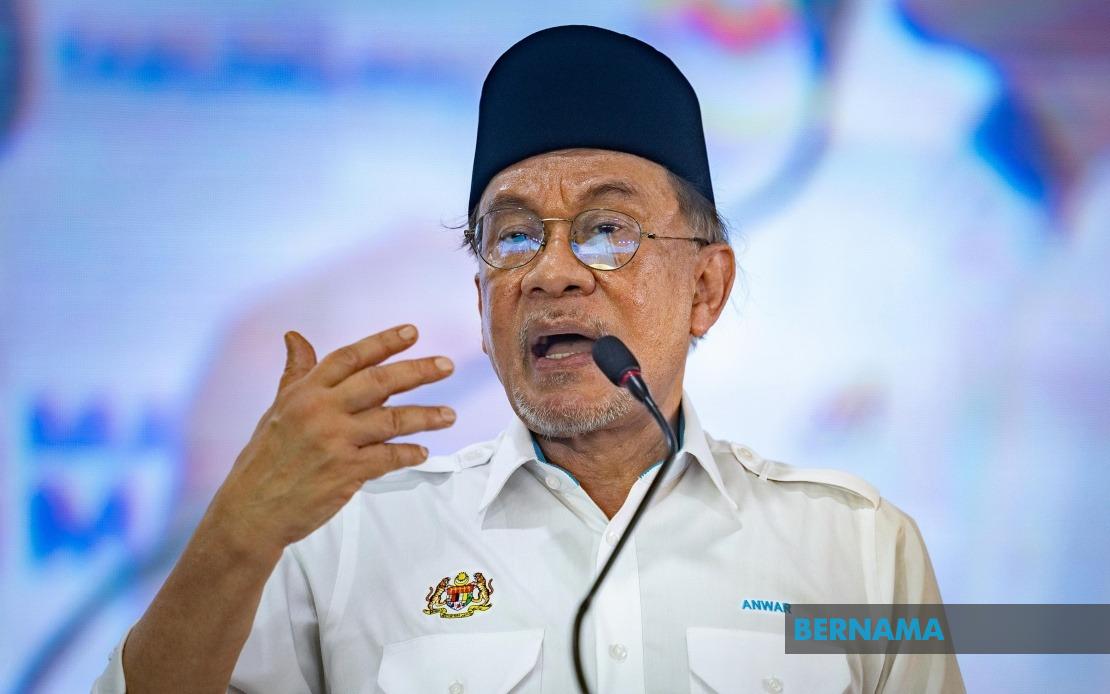
The Malaysian government is doubling down on its effort to modernise and strengthen the nation's religious and pondok schools, with Prime Minister Datuk Seri Anwar Ibrahim issuing a fresh pledge to uplift these institutions across the country. Speaking at the 2026 Perak Pondok and Religious Schools Gathering in Ipoh on July 19, Anwar underscored the government's determination to invest in these establishments as part of its broader MADANI agenda, which prioritises inclusive development and social cohesion.
Historically, pondok schools have served as custodians of Islamic knowledge and tradition in Malaysia, functioning as crucial pillars of religious education long before the establishment of formal government schooling systems. However, these institutions have struggled in recent decades to maintain relevance as Malaysia's economy and society have undergone rapid transformation. The challenge facing pondok schools today is their relative isolation from contemporary knowledge domains, leaving many alumni at a disadvantage in a job market increasingly demanding proficiency in technology and digital skills. Anwar's acknowledgement of this gap reflects a pragmatic understanding that religious education need not exist in tension with modern learning.
The Prime Minister expressed particular admiration for religious educators and pondok school leaders who have begun charting a new course. These institutions, according to Anwar, are now demonstrating a willingness to embrace emerging fields such as computer technology and artificial intelligence while maintaining their traditional mission of preserving Islamic classical texts and spiritual teachings. This dual approach represents a significant shift in how these schools conceptualise their role in the 21st century, moving away from a purely defensive posture toward modernisation and instead positioning themselves as bridges between heritage and innovation.
The commitment announced by Anwar carries practical weight through the involvement of key government agencies. Malaysia Digital Economy Corporation and the Implementation Coordination Unit, both operating under the Prime Minister's Department, are actively collaborating with religious schools to facilitate their technological upgrade. This institutional support signals that the government views digital literacy and AI competency as essential components of contemporary Islamic education, not ancillary luxuries. The participation of these agencies suggests that concrete programmes, infrastructure improvements, and training initiatives are already underway or in advanced planning stages.
Anwar's remarks at the Perak gathering were not merely rhetorical flourishes but embedded specific pledges contingent on economic stability. He indicated that provided Malaysia's economic trajectory remains favourable and national health circumstances permit, the government will continue channelling resources toward religious school enhancement throughout the country. This conditional framing, while typical of political speech, underscores the budgetary pressures facing government initiatives in a context of competing priorities and fiscal constraints.
The presence of senior officials at the event underscored the seriousness with which the government treats this agenda. Perak Menteri Besar Datuk Seri Saarani Mohamad, Minister in the Prime Minister's Department (Religious Affairs) Dr Zulkifli Hasan, and Chief Secretary to the Government Tan Sri Shamsul Azri Abu Bakar all attended, demonstrating high-level political and administrative commitment to the religious education portfolio. Their presence signalled that religious school modernisation is not a marginal initiative but a matter of central governmental concern.
For Malaysia's broader educational landscape, the government's pledge carries significant implications. The country operates a multi-stream education system where religious schools, pondok institutions, and conventional national schools coexist, often serving populations with differing socioeconomic profiles and educational aspirations. Strengthening pondok schools could expand educational opportunities for rural and lower-income students who might otherwise have limited access to quality instruction in technical and digital fields. By equipping religious schools with modern computing and AI resources, the government potentially addresses persistent urban-rural educational divides that have characterised Malaysian development.
The modernisation push also reflects shifting attitudes within Malaysia's Islamic community toward technology and globalisation. Traditional religious scholarship and contemporary technical expertise are no longer viewed as mutually exclusive pursuits. This intellectual openness has grown stronger in recent years as religious leaders increasingly recognise that Islamic teachings are entirely compatible with scientific advancement and technological mastery. Indeed, many scholars point to Islam's historical role as a driver of scientific inquiry and mathematical innovation, positioning modern technological education as a return to foundational Islamic values rather than a departure from them.
From a regional perspective, Malaysia's approach to religious education modernisation may offer valuable lessons for Southeast Asian neighbours facing similar challenges. Several ASEAN countries operate comparable pondok and Islamic school systems that grapple with comparable questions about balancing traditional religious instruction with practical skills training. Malaysia's experience in institutionalising this integration through dedicated government programmes and corporate partnerships could provide a template that other Muslim-majority or multi-religious nations might adapt to their own contexts.
The practical roll-out of these commitments will be critical in determining whether the government's ambitions translate into tangible improvements. Key questions remain regarding funding allocation mechanisms, teacher training programmes for digital curriculum delivery, access to broadband and computing infrastructure in remote pondok schools, and mechanisms for ensuring quality control across diverse religious institutions. The track record of Malaysian government initiatives in rural technology deployment will significantly influence whether these schools can successfully bridge the digital divide.
Anwar's engagement with religious school leaders, including his reference to conversation with Sheikh Wazir Che Awang Al-Makki, also suggests the government is maintaining active dialogue with community stakeholders rather than imposing change unilaterally. This consultative approach may help ensure that modernisation efforts respect institutional autonomy and religious sensibilities while advancing educational objectives. Such partnership-based models have historically proven more effective in driving sustainable change within faith-based institutions than top-down mandates.
Moving forward, monitoring indicators of success will be essential. Metrics might include student enrollment trends, graduate employment outcomes in technology sectors, percentage of pondok schools with functional computer labs, teacher participation in AI and digital literacy training, and long-term economic mobility of graduates. These benchmarks will help assess whether the government's current pledges, when operationalised, genuinely enhance educational quality and life prospects for students in religious schools across Malaysia.

