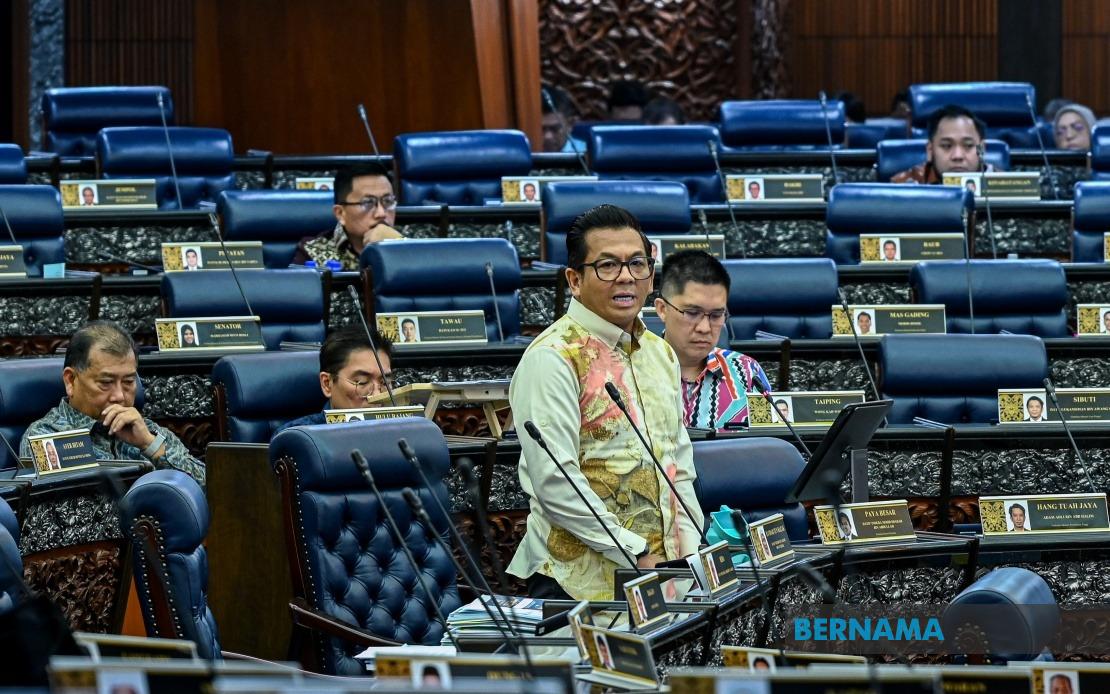
The Malaysian government is strategically employing data from the PAKW (Perbelanjaan Asas Kehidupan Warga, or Basic Living Expenditure) framework to devise tailored policy responses to the persistent challenge of cost-of-living disparities separating urban centres from rural communities. Deputy Economy Minister Datuk Mohd Shahar Abdullah outlined this approach during parliamentary proceedings, stressing that understanding localized spending patterns is essential for crafting interventions that genuinely address household vulnerabilities across the nation's diverse economic landscape.
The PAKW system, constructed by the Department of Statistics Malaysia, operates on the recognition that affordability, needs, and consumer preferences vary substantially depending on geographic location and local economic conditions. Rather than applying a one-size-fits-all approach to cost-of-living assistance, this framework enables policymakers to identify the precise expenditure levels households require in different regions, thereby ensuring that government support reaches those most in need with appropriate targeting. The accessibility of the myPAKW.dosm.gov.my calculator platform allows individual Malaysians to monitor their own household spending trajectories against benchmarks, enhancing financial awareness among the general population.
Parliamentary member Wan Hassan Mohd Ramli, representing the PN-Dungun constituency, had specifically inquired about a 2023–2025 economist field study aimed at developing solutions to combat inflation and rising prices, particularly regarding the urban-rural cost differential. This query reflected growing parliamentary and public concern about whether current economic policies adequately account for regional variations in purchasing power and living expenses. The deputy minister's response demonstrated that the government has integrated this consideration into its policy framework through the deployment of PAKW data.
The regional disparities are substantial and concrete. According to figures provided by Mohd Shahar, Kuala Lumpur residents face a PAKW value of RM5,639 monthly, representing the estimated basic living expense for that metropolitan area. By contrast, households in Kelantan operate within a PAKW framework of RM4,254, while Sabah's figure stands at RM4,511. These differences, though appearing modest in percentage terms, translate into significant real-world impacts for families managing fixed incomes in lower-cost states. The variance underscores why identical wage levels or assistance programmes produce vastly different material outcomes depending on local price structures for housing, transportation, food, and utilities.
Beyond mere data collection and analysis, the government has embedded cost-of-living awareness into its broader economic development strategy through the Five-Year Malaysia Plans. Training programmes and skills-development initiatives are being deployed to simultaneously elevate both lower and upper wage boundaries, creating pathways for workers to escape low-income traps while expanding opportunities for skilled workers. Rather than relying solely on direct cash transfers or price controls, this approach addresses the root causes of cost-of-living pressures by improving earning potential across demographic groups.
The government's commitment to regular reassessment is evidenced by the shifting Poverty Line Income threshold, which serves as the primary benchmark for identifying households requiring targeted assistance. The PLI has grown substantially from RM980 in 2016 to RM2,705 in 2024, reflecting both inflation adjustments and a recalibration of what constitutes minimum adequate income in contemporary Malaysia. This upward trajectory indicates official recognition that cost pressures have genuinely intensified, rather than treating them as statistical anomalies. The biennial revision cycle embedded in Malaysia Plan cycles ensures that policy responsiveness remains dynamic rather than static.
For Malaysian readers and policymakers, the PAKW framework represents a sophisticated acknowledgment that regional economic heterogeneity demands differentiated governance responses. Federal interventions designed for Kuala Lumpur's RM5,639 baseline may prove inadequate in higher-cost markets or excessive in more affordable regions. This localized approach aligns with international best practice in targeted social policy, where programme designers increasingly recognize that geographic cost indices must inform benefit structures and eligibility thresholds.
The implications extend beyond immediate cost-of-living relief. By making household spending data transparent and accessible through the myPAKW calculator, the government is building a more financially literate citizenry capable of understanding their own economic positions. This democratization of statistical information empowers individuals to advocate for policies suited to their circumstances and to track whether government initiatives are effectively improving their material conditions over time.
Looking forward, the sustainability of this approach depends on whether the PAKW framework's insights translate into concrete policy adjustments that households actually experience. As inflation pressures persist across Southeast Asia, Malaysia's investment in granular, location-specific economic data positions it to respond more precisely than neighbours relying on national averages. The framework's utility lies not merely in measuring disparities but in converting those measurements into calibrated interventions that prevent regional cost-of-living gaps from widening into unsustainable divides.

