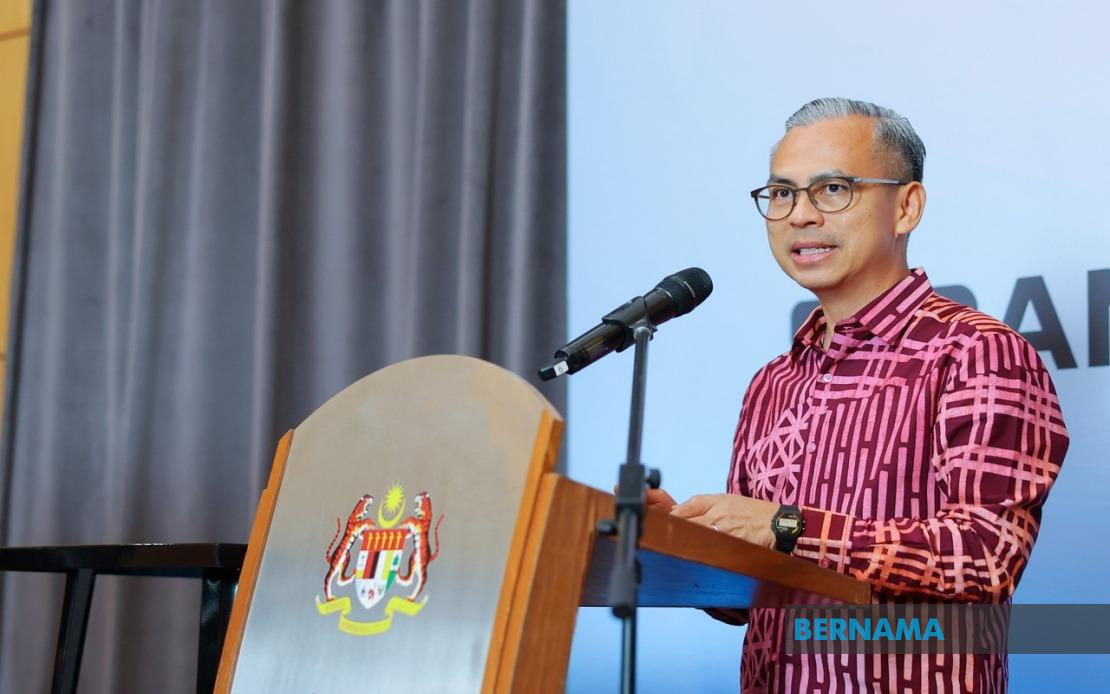
The Malaysian government has taken a significant step to counter the escalating threat of online fraud by establishing a special inter-agency working committee and technical task group, according to Communications Minister Datuk Fahmi Fadzil. Formally constituted on June 18 following discussions at a Cabinet retreat, the committee represents an unprecedented collaborative response to digital crimes that have increasingly plagued Malaysian consumers and businesses seeking to operate safely online.
The formation of this cross-sectoral body reflects growing concern within government circles about the sophistication and scale of scam operations affecting the nation. Rather than relying solely on traditional law enforcement approaches, the Cabinet recognised that online fraud demands a more integrated response drawing on expertise and resources across multiple domains. The initial session of the working committee is expected to convene shortly, bringing together representatives from various government ministries, enforcement agencies, and departmental bodies tasked with developing a coherent national strategy.
What distinguishes this initiative is its explicit inclusion of the private sector in the governance framework. For the first time, Malaysia's banking institutions, telecommunications service providers, and major digital platforms including social media companies have been formally invited to participate in the committee's deliberations and operations. This tri-partite model involving government, financial sector, and technology companies acknowledges that effective fraud prevention requires information sharing and coordinated action across traditionally siloed organisations.
The cross-agency methodology itself is not entirely novel to Malaysian governance. Fahmi highlighted that similar collaborative approaches have previously yielded tangible results in tackling child sexual abuse crimes through targeted special operations. The government is essentially applying lessons learned from that domain to the online fraud challenge, betting that the combination of stricter enforcement, expedited processes, and more thorough investigative capabilities will yield comparable success against digital perpetrators.
The committee's mandate encompasses three interconnected dimensions: strengthening enforcement mechanisms to prosecute scammers more effectively, modernising and adapting legal frameworks to keep pace with evolving criminal tactics, and enhancing investigative capacity through better inter-agency coordination and intelligence sharing. Each of these elements addresses known weaknesses in Malaysia's current response to online crime, where jurisdictional boundaries, different agency procedures, and limited real-time information exchange have sometimes hindered swift action against offenders.
Enhancing user safety on digital platforms stands as the ultimate objective guiding the committee's work. As Malaysians increasingly conduct financial transactions, access government services, and maintain social connections through online channels, the vulnerability to sophisticated scams has grown substantially. From investment fraud and romance scams to phishing attacks targeting banking credentials, the array of threats has expanded faster than conventional regulatory and enforcement responses could address.
Fahmi deliberately refrained from disclosing specific operational strategies or enforcement tactics that the committee will deploy, citing the obvious risk that transparent discussion of preventive measures might inadvertently alert criminal networks to avoid detection methods. This calculated restraint reflects a pragmatic understanding that scam operations actively monitor government announcements and media coverage to adjust their methodologies. The government's commitment to maintaining operational security around the committee's activities suggests that substantive action rather than public declarations will determine the initiative's actual effectiveness.
The anticipation of near-term positive developments indicates that the government expects relatively swift tangible outcomes from this restructured approach. Whether these manifest as successful prosecutions, platform improvements in scam detection, or enhanced public awareness campaigns remains to be seen, but the timeline suggests the committee has been given clear performance expectations. The government recognises that public confidence in digital safety directly impacts economic activity, fintech adoption, and digital transformation initiatives that Malaysia seeks to accelerate.
The broader implication for Malaysian citizens is that scam prevention is now receiving elevated priority status within government coordination structures. Rather than scattered responses from individual agencies, consumers benefit from supposedly unified strategy development and implementation. Banks can coordinate fraud detection systems more effectively, telecommunications companies can work with law enforcement on SIM-swap attacks, and social media platforms can cooperate on identifying and removing fraudulent accounts more rapidly when everyone operates from a shared intelligence foundation and common operational framework.
For the regional context, Malaysia's structured response may serve as a model for other Southeast Asian nations grappling with similar digital crime challenges. Countries facing equivalent scam epidemics lack formal mechanisms to coordinate government, financial sector, and technology platform responses. Malaysia's experiment with this tri-partite governance approach carries lessons applicable across ASEAN, particularly as the region's digital economies expand and attract both legitimate innovation and criminal enterprise.
The establishment of this committee also signals government recognition that traditional crime prevention and prosecution cannot alone solve online fraud. Simultaneous investment in user education, platform accountability mechanisms, and financial literacy becomes necessary to reduce vulnerability at the source. Citizens who better understand scam typologies and recognise warning signs represent a stronger first line of defence than enforcement alone ever could provide.
Implementation will ultimately determine whether this initiative meaningfully reduces online fraud victimisation. The committee's composition and resource allocation matter considerably, as do the statutory authorities granted to participating agencies for rapid information exchange and cross-border coordination. Malaysia's ability to pursue international cooperation on cases involving overseas-based scam networks remains essential, particularly given evidence suggesting significant portions of fraud operations targeting Malaysians are orchestrated from neighbouring countries.

